
If you’ve ever struggled with wasted container space, unstable cargo, or inefficient warehouse layouts, there’s a high chance the root cause comes down to one overlooked factor: pallet size. Choosing the right standard pallet size dimensions is not just about following industry norms—it’s about aligning your entire logistics system for efficiency, cost control, and scalability.
In today’s global supply chain environment, businesses are under increasing pressure to optimize every inch of storage and every kilogram of shipment weight. That’s why understanding pallet dimensions—and when to move beyond standard sizes into customized solutions—can directly impact your bottom line.
This guide is built to help you make practical decisions. You’ll not only learn about global standard pallet size dimensions, but also how to adapt them to your real-world logistics scenarios using modern molded pallet solutions.
Table of Contents
Why Standard Pallet Size Dimensions Matter More Than You Think
At first glance, pallet size may seem like a fixed industry detail. However, once you begin managing warehouse operations or international shipments, you quickly realize how much pallet dimensions influence efficiency.
When your pallets don’t align with container sizes or warehouse systems, you may experience:
- unused container space
- unstable stacking
- increased freight costs
- slower loading and unloading processes
According to insights from pallet logistics standards research, optimizing pallet dimensions can improve container utilization by up to 20%. That translates directly into reduced shipping costs and higher operational efficiency.
Common Standard Pallet Size Dimensions Worldwide
Different regions and industries use different pallet sizes, which can create complexity when managing global logistics. Below is a comparison of commonly used standard pallet size dimensions:
| Region / Application | Standard Dimensions (mm) | Dimensions (inches) |
|---|---|---|
| General logistics | 1200 x 1000 | 47.2 x 39.4 |
| Export container | 1100 x 1100 | 43.3 x 43.3 |
| Warehouse storage | 1200 x 800 | 47.2 x 31.5 |
| Square pallet use | 1000 x 1000 | 39.4 x 39.4 |
While these sizes are widely used, they are not always optimal for every business. That’s where customization becomes important.
The Hidden Cost of Using the Wrong Pallet Size
Many companies default to standard pallet size dimensions without evaluating their specific logistics needs. This can lead to inefficiencies that are often hidden in daily operations.
Example Scenario
A mid-sized exporter shipping packaged goods used a standard 1200 x 1000 mm pallet. After reviewing container loading patterns, they discovered that each container had unused gaps due to pallet mismatch.
After switching to a more optimized 1100 x 1100 mm layout, they achieved:
- 12% increase in container loading capacity
- reduced product movement during transport
- lower per-unit shipping cost
This simple adjustment significantly improved logistics performance without increasing operational complexity.
When Standard Pallet Sizes Are Not Enough
Standard pallet sizes are designed for general use, but modern supply chains are rarely “standard.” If your products have unique dimensions or your logistics process involves specialized handling, relying solely on standard pallet size dimensions can limit efficiency.
You should consider customization if:
- your products do not fit standard pallet footprints
- you are shipping high-value or fragile goods
- you want to maximize container utilization
- your warehouse uses automated systems
This is where molded pallets offer a unique advantage.
How Molded Pallets Solve Size and Efficiency Challenges
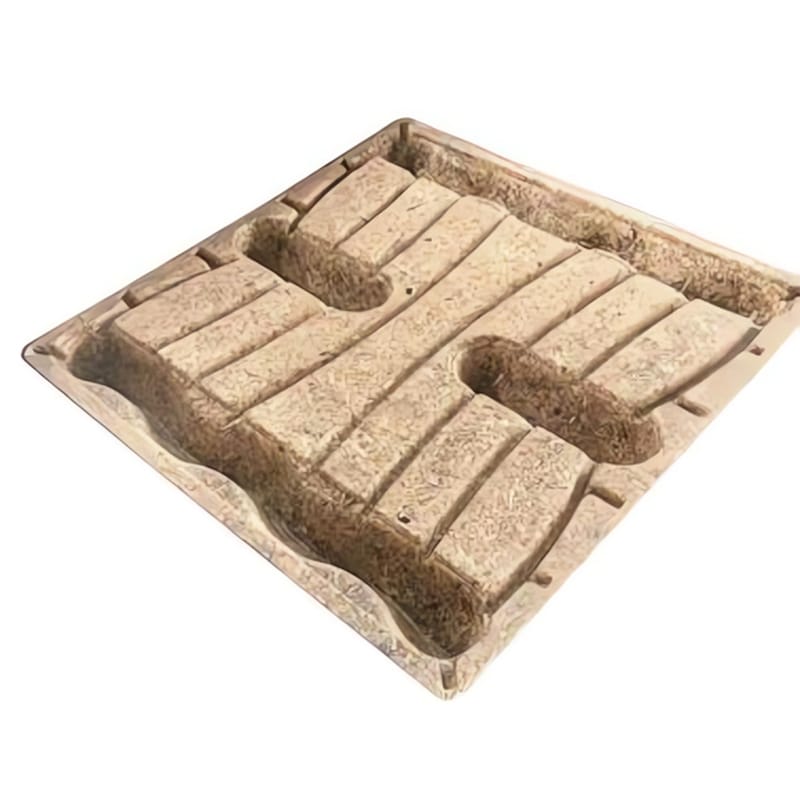
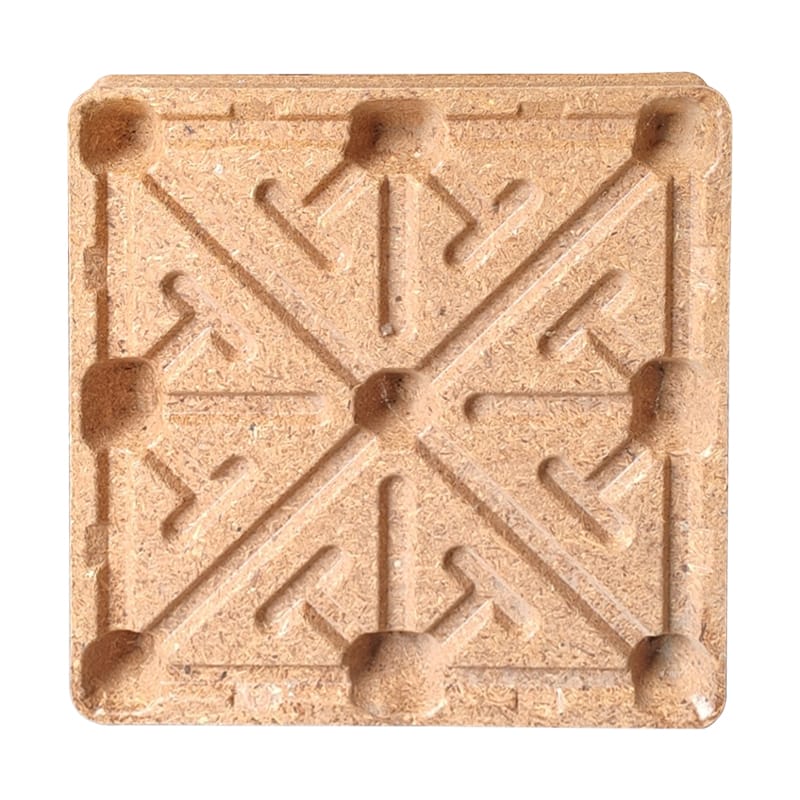
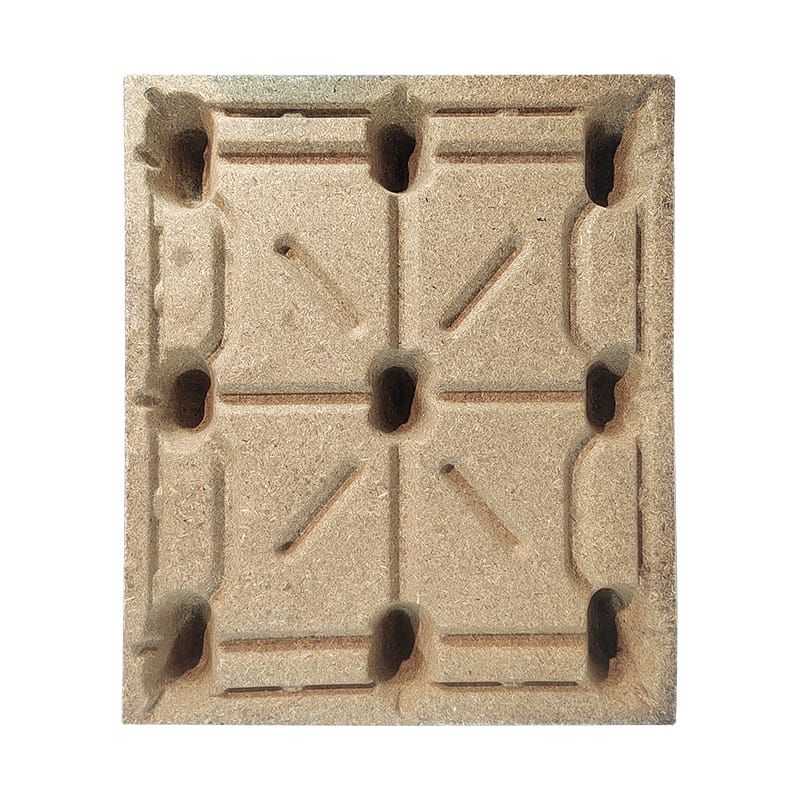
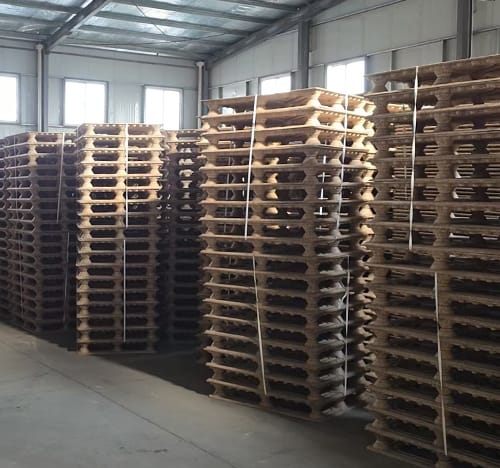
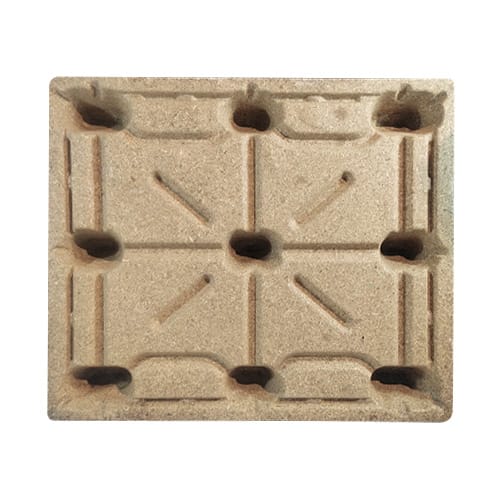
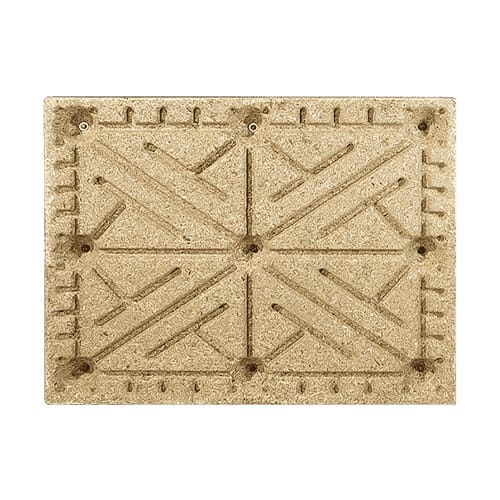
Unlike traditional pallets, molded pallets are produced through a one-time high-pressure forming process. This allows precise control over dimensions, structure, and load distribution.
Key advantages of molded pallets:
- fully customizable dimensions
- consistent one-piece structure
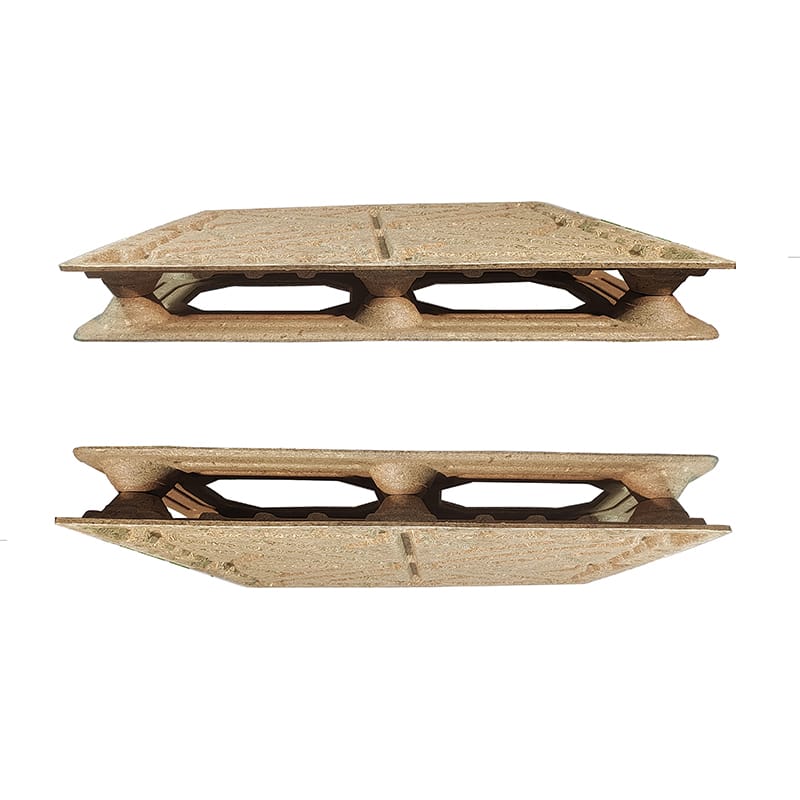
- lightweight design for shipping efficiency
- stackable for space saving
- suitable for export without additional treatment
Because they are produced using plant fibers and high-temperature molding, they are also compliant with international shipping requirements without the need for additional processing.
Case Study: Custom Pallet Optimization in Export Logistics
Let’s look at a practical example.
A logistics company handling mixed cargo shipments faced ongoing challenges with inconsistent packaging sizes. Their use of standard pallet size dimensions resulted in inefficient container loading and increased shipping costs.
Problem
- multiple product sizes
- poor pallet fit
- wasted container space
- increased freight cost
Solution
They switched to customized molded pallets designed specifically for their product dimensions.
Results
- 18% improvement in container utilization
- reduced product damage during transit
- improved stacking stability
- overall logistics cost reduction
This case demonstrates how moving beyond standard pallet sizes can unlock real operational value.
Comparing Standard vs Customized Pallet Dimensions
To better understand when customization makes sense, consider the following comparison:
| Factor | Standard Pallet Sizes | Customized Molded Pallets |
|---|---|---|
| Flexibility | Limited | High |
| Cost Efficiency | Moderate | High (long-term) |
| Fit for Products | General | Precise |
| Container Utilization | Medium | High |
| Storage Efficiency | Standard | Optimized |
How to Choose the Right Pallet Size for Your Business
Selecting the right pallet size requires a systematic approach.
Step 1: Analyze Your Product Dimensions
Start by understanding the size, weight, and stacking requirements of your products.
Step 2: Evaluate Transportation Methods
Consider whether your goods are shipped via containers, trucks, or air freight. Each method has different space constraints.
Step 3: Optimize for Container Loading
Use pallet dimensions that maximize container space usage. Tools and guidelines from international packaging standards can help you evaluate compatibility.
Step 4: Consider Storage Systems
Ensure your pallets fit your warehouse racks, forklifts, and automation systems.
Step 5: Explore Custom Solutions
If standard pallet size dimensions do not meet your needs, customized molded pallets can provide a better fit.
Sustainability and Efficiency Benefits
Modern businesses are also focusing on sustainability when selecting pallets.
Molded pallets are often produced using recycled plant fibers and agricultural materials, which helps reduce environmental impact.
According to sustainable materials research , using recycled materials in logistics packaging can significantly reduce waste and carbon footprint.
In addition, lightweight pallet designs reduce fuel consumption during transport, contributing to overall efficiency.
Common Mistakes When Choosing Pallet Dimensions
Avoiding common mistakes can save your business time and money.
Mistake 1: Choosing Based on Industry Norms Alone
Standard sizes are not always the best fit for your specific operation.
Mistake 2: Ignoring Container Efficiency
Even small mismatches in dimensions can lead to significant space loss.
Mistake 3: Overlooking Customization Options
Modern manufacturing makes customized pallets more accessible and cost-effective than before.
Conclusion
Understanding standard pallet size dimensions is the first step toward building an efficient logistics system. However, relying solely on standard sizes can limit your ability to optimize costs and performance.
By evaluating your specific needs and considering customized molded pallet solutions, you can improve container utilization, reduce shipping costs, and enhance overall supply chain efficiency.
The right pallet size is not just a technical detail—it is a strategic decision that can transform your logistics performance.
FAQ
What is the most common standard pallet size?
The most widely used pallet size is 1200 x 1000 mm, but this varies depending on region and application.
Can I use standard pallet sizes for export?
Yes, but you must ensure they meet international shipping requirements and optimize container usage.
Are customized pallets more expensive?
While initial costs may vary, customized pallets often reduce overall logistics costs by improving efficiency.
Why are molded pallets better for export?
They are lightweight, stackable, and produced in a way that eliminates the need for additional treatment.
How do I determine the best pallet size?
You should analyze your product dimensions, shipping methods, and storage systems before making a decision.