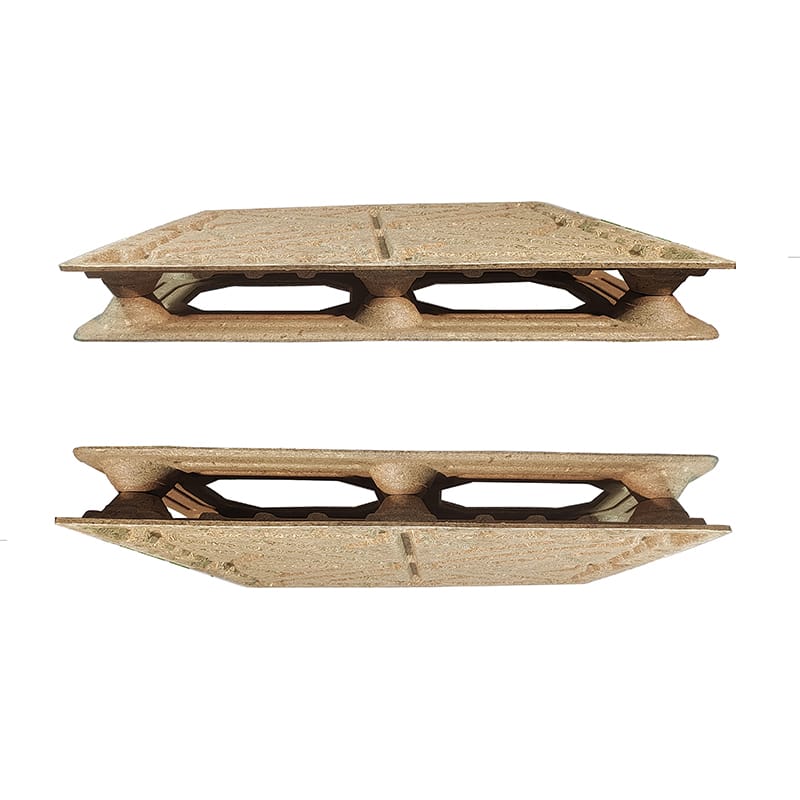


If you are managing international shipments, you have probably come across heat treated wood pallets as a standard requirement. For years, they have been widely used in global logistics to meet compliance regulations and prevent pest contamination. But as supply chains evolve and efficiency becomes more critical, many businesses are starting to question whether heat treated wood pallets are still the best option.
In this guide, you will explore how heat treated wood pallets work, their real advantages and limitations, and whether modern alternatives like molded pallets can offer better performance for your logistics system. Instead of repeating industry basics, this article focuses on practical insights, real-world applications, and decision-making strategies you can apply directly to your operations.
Table of Contents
What Are Heat Treated Wood Pallets?
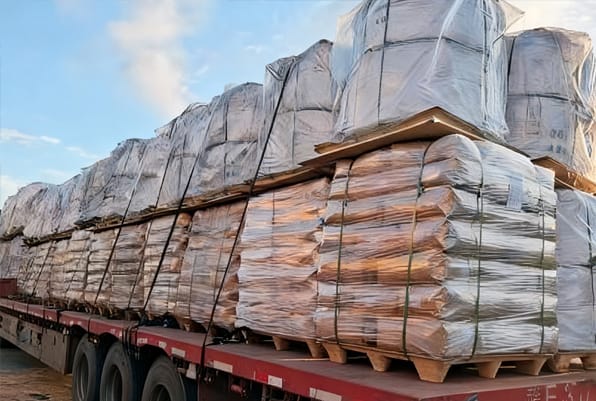
Heat treated wood pallets are traditional wooden pallets that have undergone a thermal process to eliminate pests, insects, and microorganisms. This process is required to meet international shipping regulations, especially for cross-border trade.
The treatment involves heating the wood core to a specified temperature for a defined period. This ensures that any biological risks are removed before the pallets are used in export logistics.
Why heat treatment exists
The primary purpose of heat treatment is to comply with global phytosanitary standards. Without proper treatment, untreated wood pallets could carry pests that damage ecosystems and agriculture in importing regions.
How Heat Treated Wood Pallets Fit into Modern Logistics
For decades, heat treated wood pallets have been the default solution for export shipments. They are widely available and relatively easy to produce.
However, modern logistics systems are no longer just about compliance. Today, businesses must consider:
- shipping efficiency
- cost optimization
- sustainability
- warehouse automation compatibility
This shift has led to a reevaluation of traditional pallet solutions.
Key Advantages of Heat Treated Wood Pallets
Despite new alternatives, heat treated wood pallets still offer several advantages.
1. Regulatory Compliance
They meet international requirements for export packaging, making them widely accepted in global trade.
2. Familiarity and Availability
Most logistics providers and warehouses are already equipped to handle wooden pallets, making them a convenient choice.
3. Relatively Low Initial Cost
Compared to some advanced pallet systems, heat treated wood pallets can be less expensive upfront.
The Limitations You Should Not Ignore
While heat treated wood pallets solve compliance issues, they also introduce several operational challenges that are often overlooked.
1. High Moisture Sensitivity
Wood naturally absorbs moisture, which can lead to:
- mold growth
- structural weakening
- increased pallet weight
2. Risk of Damage
Wooden pallets can crack, splinter, or break under repeated use, especially in high-load environments.
3. Additional Processing Requirements
Heat treatment adds an extra step in the production process, increasing time and operational complexity.
4. Inconsistent Quality
Because wood is a natural material, pallet quality can vary depending on the source and manufacturing process.
Real Case Study: When Heat Treated Wood Pallets Fall Short
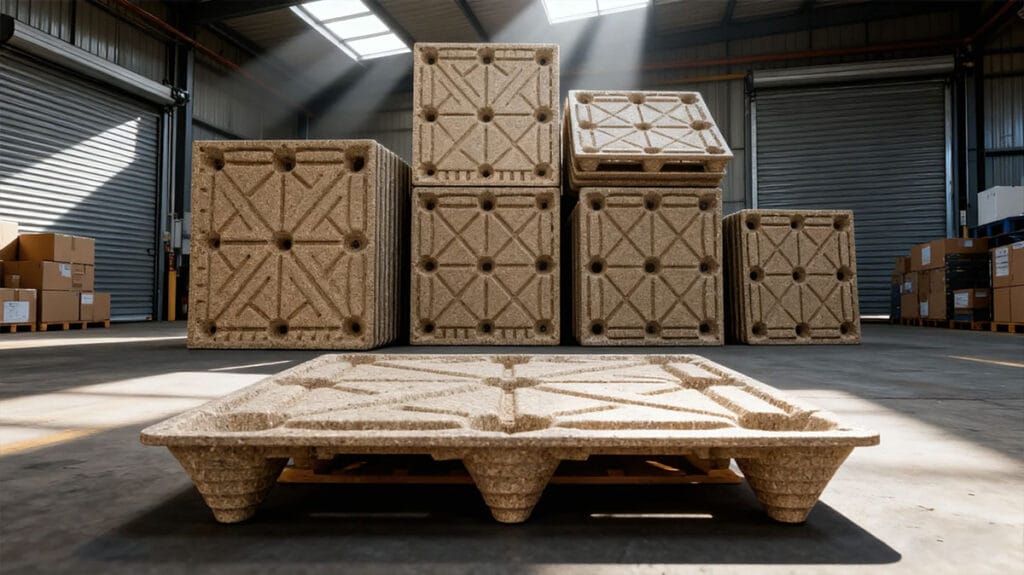
A logistics company specializing in consumer goods relied heavily on heat treated wood pallets for export shipments.
Challenges they faced:
- frequent pallet breakage during transportation
- mold issues in humid conditions
- increased shipping weight due to moisture absorption
- delays caused by inspection inconsistencies
Solution implemented:
The company began testing molded pallets made from compressed plant fibers as an alternative.
Results after transition:
- reduced shipment weight
- improved pallet consistency
- elimination of mold-related issues
- faster export clearance
This case highlights a key point: while heat treated wood pallets meet compliance standards, they may not always deliver optimal performance.
Comparing Heat Treated Wood Pallets with Molded Pallets
To better understand your options, here is a detailed comparison:
| Feature | Heat Treated Wood Pallets | Molded Pallets |
|---|---|---|
| Compliance | Requires heat treatment | Naturally compliant |
| Weight | Medium to heavy | Lightweight |
| Moisture Resistance | Low | High |
| Structural Consistency | Variable | Uniform |
| Sustainability | Limited | High |
| Cost Efficiency | Moderate | High (long-term) |
| Maintenance | Required | Minimal |
This comparison shows that molded pallets address many of the weaknesses associated with heat treated wood pallets.
Why Molded Pallets Are Gaining Popularity
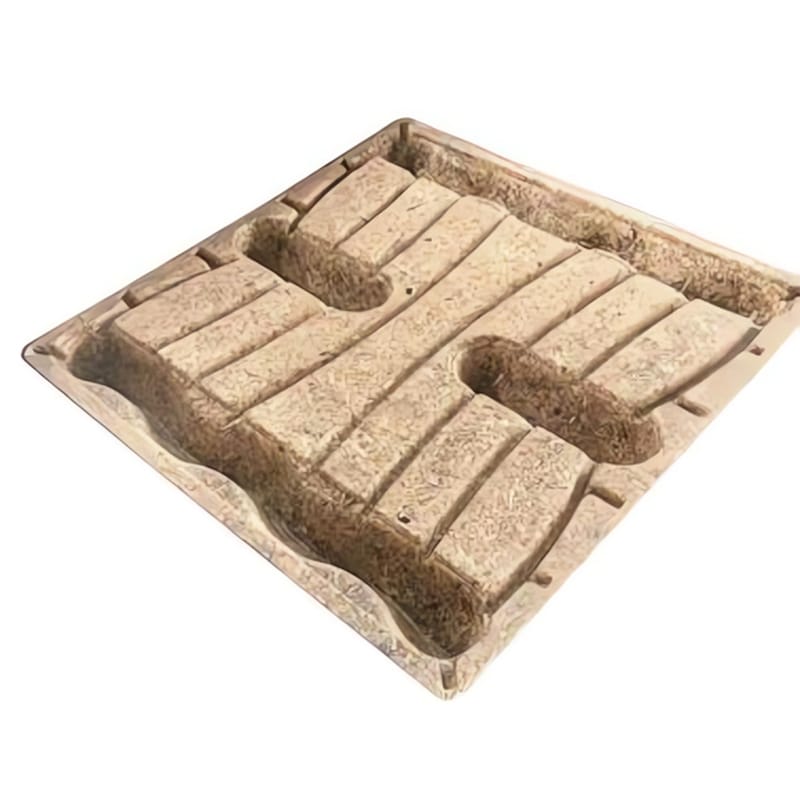
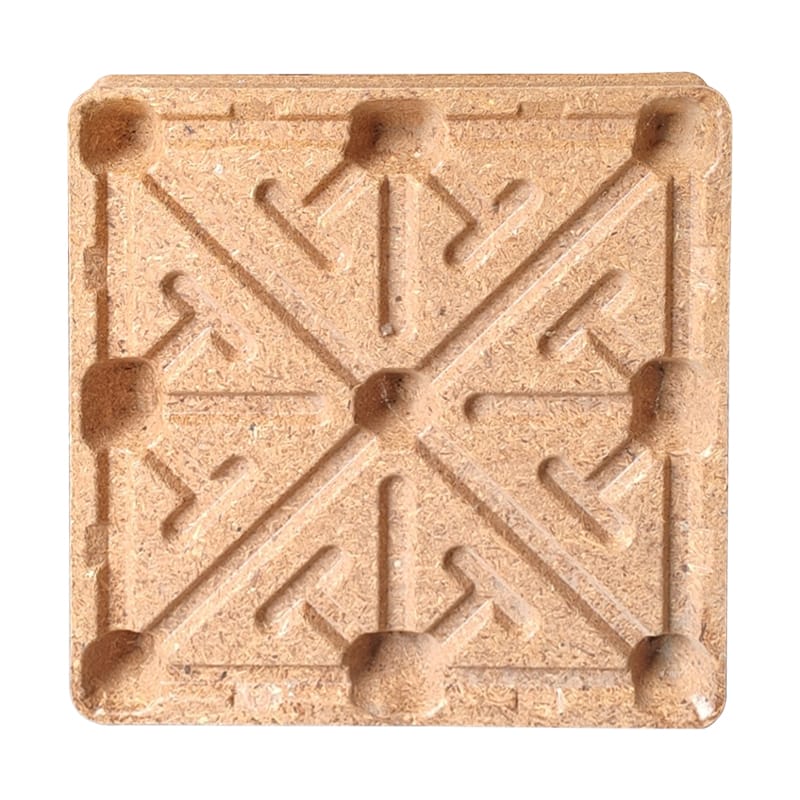
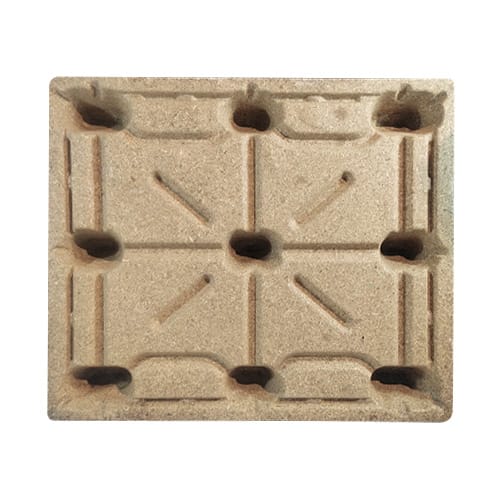
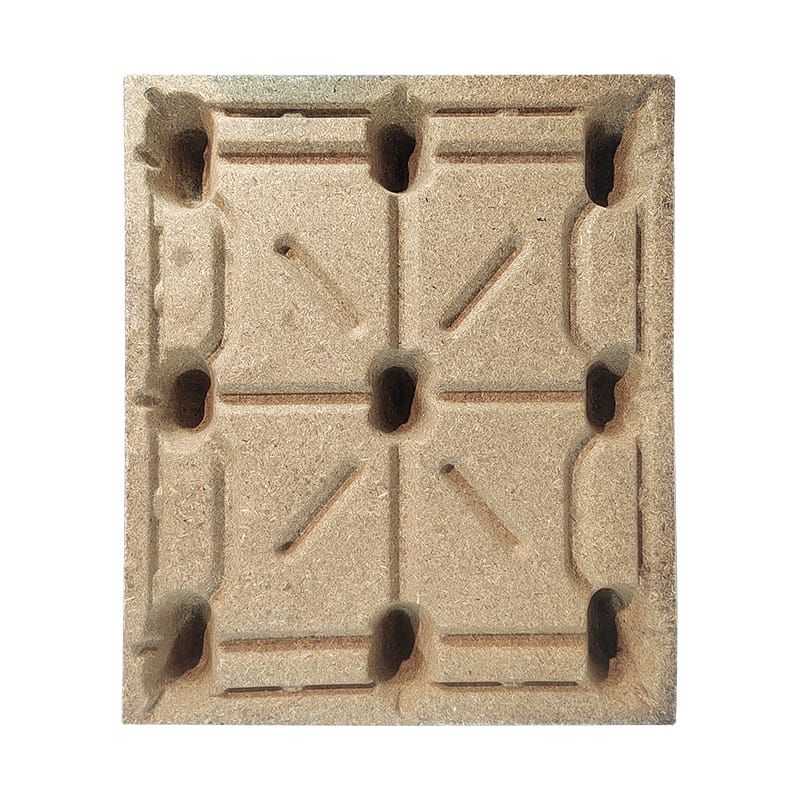
Molded pallets are produced using recycled wood fibers, agricultural residues, and other natural materials. Through a high-pressure, one-time molding process, they form a strong and uniform structure.
Key benefits for your business:
- no need for heat treatment
- consistent quality and dimensions
- lightweight design reduces shipping costs
- resistant to moisture and pests
- environmentally friendly materials
Because they are manufactured under high temperature and pressure, molded pallets are free from biological contamination, making them ideal for international logistics without additional processing.
Cost Analysis: Beyond the Purchase Price
When evaluating pallet options, it is important to look beyond initial cost.
Hidden costs of heat treated wood pallets:
- treatment processing cost
- higher shipping cost due to weight
- replacement and repair cost
- potential product damage
Cost advantages of molded pallets:
- lower total logistics cost
- reduced transportation expenses
- fewer replacements
- improved operational efficiency
In many cases, businesses that switch to molded pallets report measurable cost savings over time.
Sustainability and Environmental Impact
Sustainability is becoming a key factor in supply chain decisions.
Heat treated wood pallets rely on raw timber resources and require additional energy for treatment processes.
Molded pallets, on the other hand, are produced from recycled materials and agricultural waste. This reduces environmental impact and supports circular economy practices.
How to Decide Which Pallet Is Right for You
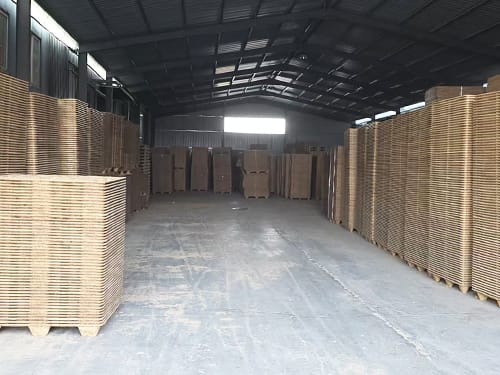
Choosing between heat treated wood pallets and molded pallets depends on your logistics priorities.
Choose heat treated wood pallets if:
- you need a familiar and widely accepted solution
- your operations are less sensitive to weight and moisture
Choose molded pallets if:
- you want to reduce shipping costs
- you require consistent quality
- sustainability is important
- you need a compliance-ready solution without extra processing
Practical Steps to Optimize Your Pallet Strategy
To improve your pallet system, follow these steps:
- Evaluate your current pallet performance
- Identify cost drivers such as weight and damage
- Analyze your shipping and storage conditions
- Test alternative pallet solutions
- Measure efficiency improvements
Taking a structured approach ensures that your decision is based on real data rather than assumptions.
Conclusion
Heat treated wood pallets have played an important role in global logistics, especially in meeting export compliance requirements. However, as supply chains become more complex and efficiency-driven, their limitations are becoming more apparent.
Molded pallets offer a modern alternative that addresses many of these challenges, providing better consistency, lower weight, improved sustainability, and reduced operational costs.
If you are looking to optimize your logistics system and stay competitive in today’s global market, it may be time to rethink your pallet strategy and consider solutions that go beyond traditional heat treated wood pallets.
FAQ
Are heat treated wood pallets required for export?
They are commonly used to meet international standards, but alternative pallets produced under high temperature can also comply.
Do heat treated pallets prevent mold?
They reduce biological risks during treatment, but they can still absorb moisture and develop mold later.
Are molded pallets strong enough for industrial use?
Yes, molded pallets are designed to provide consistent load-bearing performance suitable for logistics operations.
Which option is more cost-effective?
While heat treated wood pallets may be cheaper initially, molded pallets often provide better long-term cost efficiency.
Can molded pallets replace traditional wood pallets?
In many logistics scenarios, molded pallets can fully replace traditional wooden pallets with improved performance.