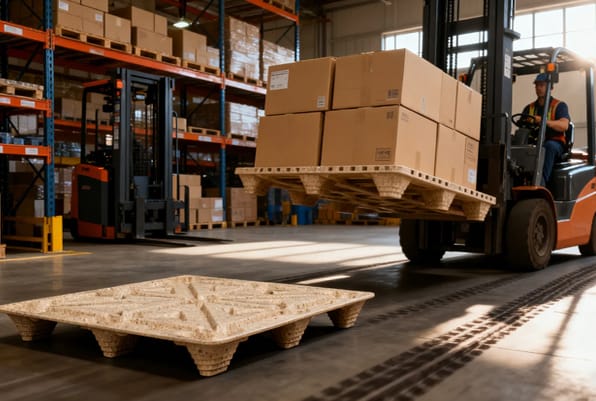


In modern logistics, efficiency is no longer just about moving goods from one place to another. It is about how effectively you handle, stack, and protect those goods throughout the entire supply chain. One of the most important yet often underestimated components in this system is the load pallet.
If you are managing warehousing, export operations, or distribution networks, understanding how load pallets work—and how they impact operational performance—can significantly improve your logistics efficiency, reduce costs, and enhance safety.
This article will guide you through everything you need to know about load pallets, including structural design principles, real-world applications, and how modern molded pallet technology is reshaping global logistics.
Table of Contents
What Is a Load Pallet in Modern Logistics?

A load pallet is a foundational platform used to support goods during storage, handling, and transportation. While the concept seems simple, its role in logistics is extremely complex and critical.
A well-designed loading pallet affects:
- how goods are stacked in warehouses
- how efficiently containers are filled
- how safely goods are transported
- how fast forklifts and automation systems operate
According to logistics efficiency research referenced by the Material Handling Industry (MHI), standardized load handling systems significantly improve warehouse productivity and reduce operational errors.
Why Load Pallet Design Matters More Than You Think
Many businesses underestimate how much pallet design affects their supply chain performance. A poorly designed pallet can cause:
- unstable stacking
- product damage during transport
- inefficient space usage
- increased handling time
- higher labor costs
On the other hand, a well-optimized load pallet improves:
- warehouse throughput
- container utilization
- handling speed
- product protection
- automation compatibility
Key Types of Load Pallets Used in Logistics
Understanding different loading pallet structures helps you choose the right system for your operations.
1. Flat Load Pallets
Flat pallets provide a simple, stable surface for general cargo handling.
Key features:
- uniform surface support
- easy forklift access
- compatible with stacking systems
They are widely used in general warehouse operations where flexibility is important.
2. Reinforced Load Pallets
These pallets are designed for heavier industrial loads.
Key features:
- additional structural reinforcement
- higher load-bearing capacity
- reduced deformation under pressure
They are commonly used in manufacturing and bulk storage environments.
3. Molded Load Pallets
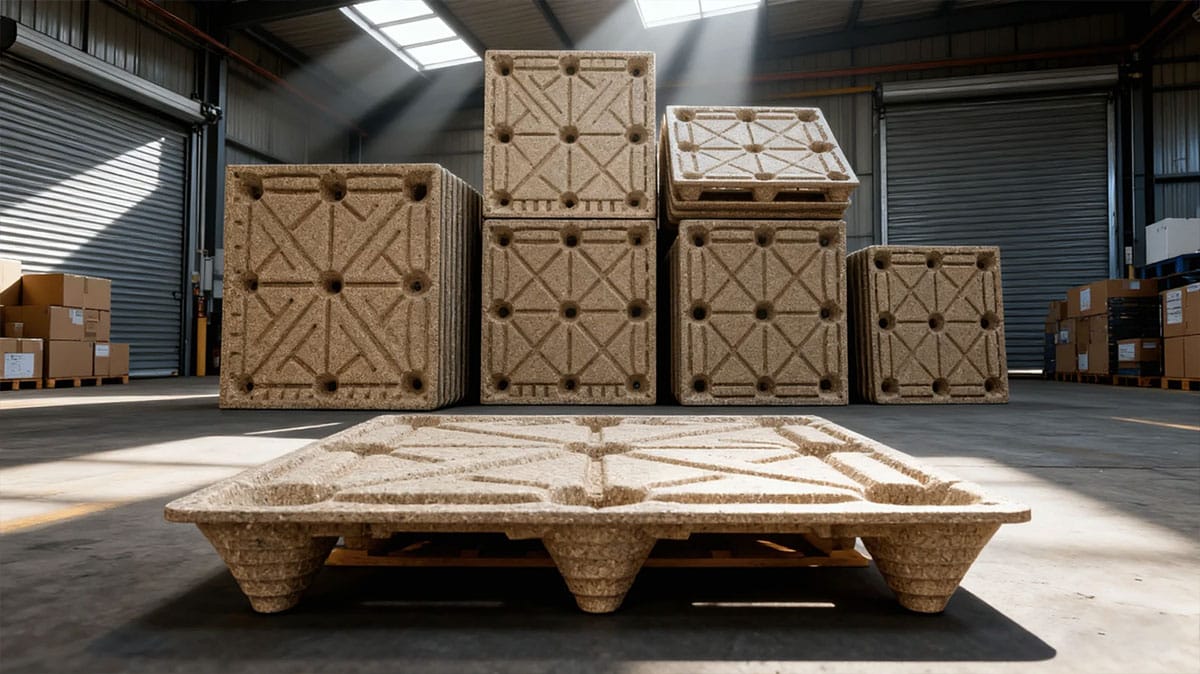
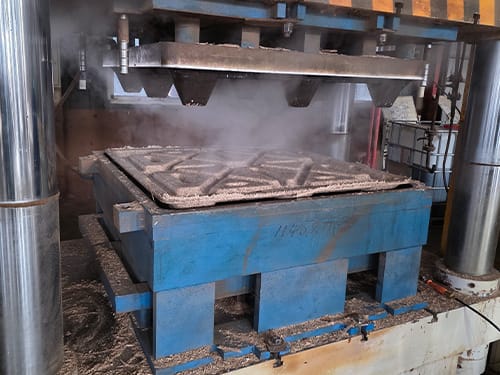
Molded pallets represent a modern evolution in loading pallet design. They are produced using high-pressure molding technology with natural fiber materials.
You can view a real example here:
Load Molded Pallet Solution
Key features:
- lightweight but strong structure
- consistent manufacturing quality
- moisture resistance
- export-friendly design
- environmentally sustainable materials
How Loading Pallets Improve Warehouse Efficiency
Warehouse operations depend heavily on pallet consistency and structural stability.
Case example:
A logistics warehouse handling mixed industrial goods experienced inefficiencies due to inconsistent loading pallet sizes. This led to:
- irregular stacking patterns
- forklift navigation delays
- reduced storage density
- frequent rehandling of goods
After optimization:
By standardizing their loading pallet system, they achieved:
- improved vertical stacking stability
- faster internal movement of goods
- better rack space utilization
- reduced handling errors
This demonstrates how pallet structure directly influences warehouse performance.
Load Pallets in Export Logistics
Export logistics requires pallets that can withstand long-distance transportation and meet international handling standards.
According to packaging guidelines referenced by ISO logistics standards, export packaging must ensure stability, durability, and safety during transit.
Molded load pallets are particularly suitable for export because:
- they do not require fumigation
- they maintain consistent structural integrity
- they reduce inspection delays
- they are optimized for container loading
Sustainability and Loading Pallet Innovation

Sustainability is now a major driver in logistics decision-making. Modern supply chains are shifting toward materials that reduce environmental impact while maintaining performance.
Molded load pallets are produced using:
- recycled wood fibers
- agricultural residues
- renewable natural materials
According to EPA sustainable materials guidelines, using recycled inputs in logistics packaging significantly reduces waste and environmental footprint.
Comparison: Traditional vs Molded Loading Pallets
| Feature | Traditional Wood Pallets | Plastic Pallets | Molded Load Pallets |
|---|---|---|---|
| Weight | Heavy | Medium | Lightweight |
| Strength | Medium | High | High (engineered) |
| Moisture Resistance | Low | High | High |
| Consistency | Low | High | High |
| Export Compliance | Requires treatment | Varies | Naturally compliant |
| Sustainability | Medium | Low | High |
This comparison shows why molded loading pallet systems are becoming increasingly popular in modern logistics.
Automation Compatibility of Load Pallets
Modern warehouses increasingly rely on automation technologies such as:
- robotic picking systems
- conveyor belts
- automated stacking systems
- smart inventory management
Load pallets must be compatible with these systems to ensure smooth operation.
Molded loading pallets are particularly effective because of:
- consistent dimensions
- stable structural geometry
- predictable handling behavior
Real Logistics Case: Switching to Molded Loading Pallets
A distribution center handling mixed consumer goods faced recurring issues:
- pallet deformation during stacking
- inconsistent load distribution
- inefficient container utilization
- increased product damage rates
Solution:
They transitioned to molded loading pallet systems designed for structural consistency.
Results:
- improved stacking stability
- reduced damage during transport
- better container loading efficiency
- smoother warehouse operations
Key Factors to Consider When Choosing Loading Pallets
1. Load Capacity Requirements
You must evaluate how much weight the pallet needs to support.
2. Storage Environment
Humidity, temperature, and handling frequency all affect performance.
3. Transportation Distance
Long-distance shipping requires stronger structural stability.
4. Automation Compatibility
If your warehouse uses automated systems, pallet consistency becomes critical.
5. Sustainability Goals
Many companies now prioritize eco-friendly logistics solutions.
Final Insight
A load pallet is not just a transport tool—it is a critical structural element in your entire logistics system. When optimized correctly, it improves warehouse efficiency, reduces operational costs, and enhances supply chain reliability.
As logistics continues to evolve toward automation and sustainability, engineered molded loading pallet systems are becoming a strategic choice for forward-thinking businesses aiming to improve long-term performance.
FAQ
What is a load pallet used for?
It is used to support, store, and transport goods efficiently in warehouse and logistics systems.
What is the difference between loading pallets and regular pallets?
Load pallets emphasize structural load-bearing performance and logistics efficiency optimization.
Are molded loading pallets suitable for export?
Yes, they are widely used due to their stability and compliance-friendly design.
Can loading pallets be used in automated warehouses?
Yes, especially molded pallets with consistent dimensions.
What is the most important factor when choosing a loading pallet?
Load capacity, durability, and system compatibility are the most important factors.