
In today’s global supply chain environment, efficiency is no longer defined only by transportation speed—it is defined by space utilization, structural reliability, and material sustainability. As warehouses and logistics networks continue to evolve, businesses are increasingly shifting toward engineered pallet solutions that reduce cost inefficiencies and improve operational stability.
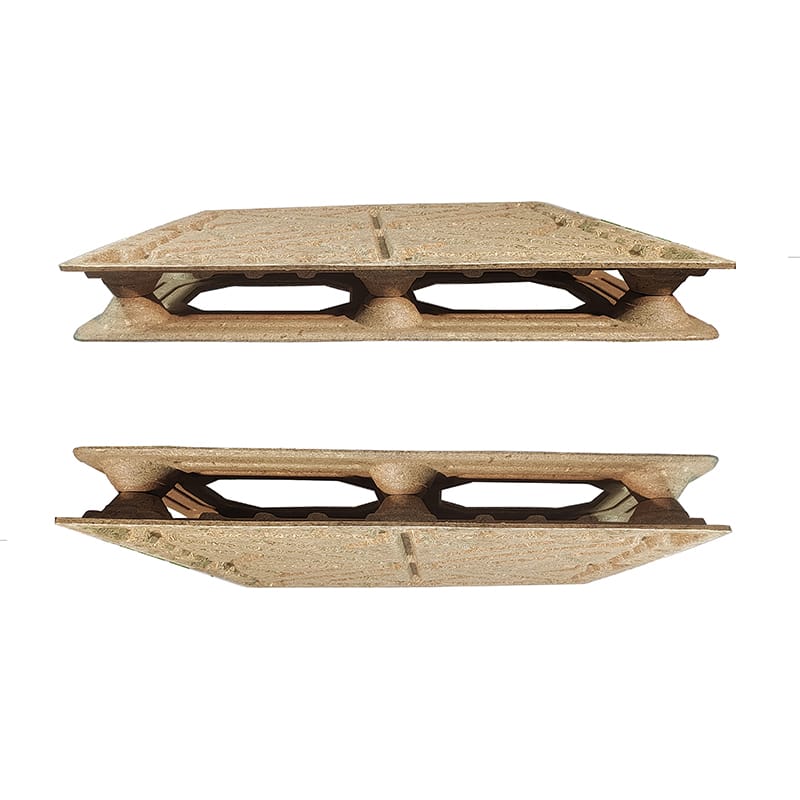
One of the most promising innovations in this space is the two-layer presswood pallet, specifically the structural design. Unlike traditional pallet formats, this type of molded pallet is engineered through high-pressure forming technology, offering a balance between strength, lightweight structure, and environmental responsibility.
In this article, you will understand why this pallet structure is gaining global attention, how it performs in real logistics environments, and why it may be the upgrade your supply chain needs.
Table of Contents
Understanding the Engineering Behind Two-Layer Presswood Pallets
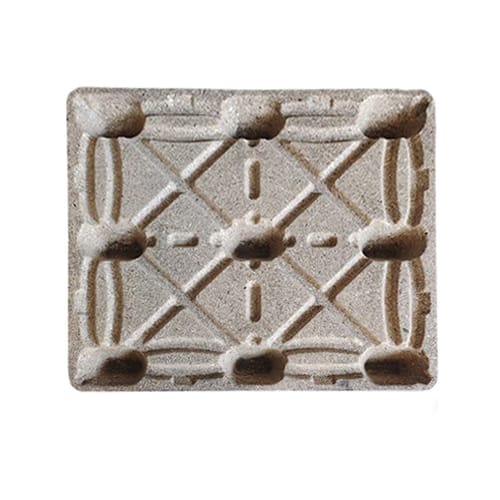
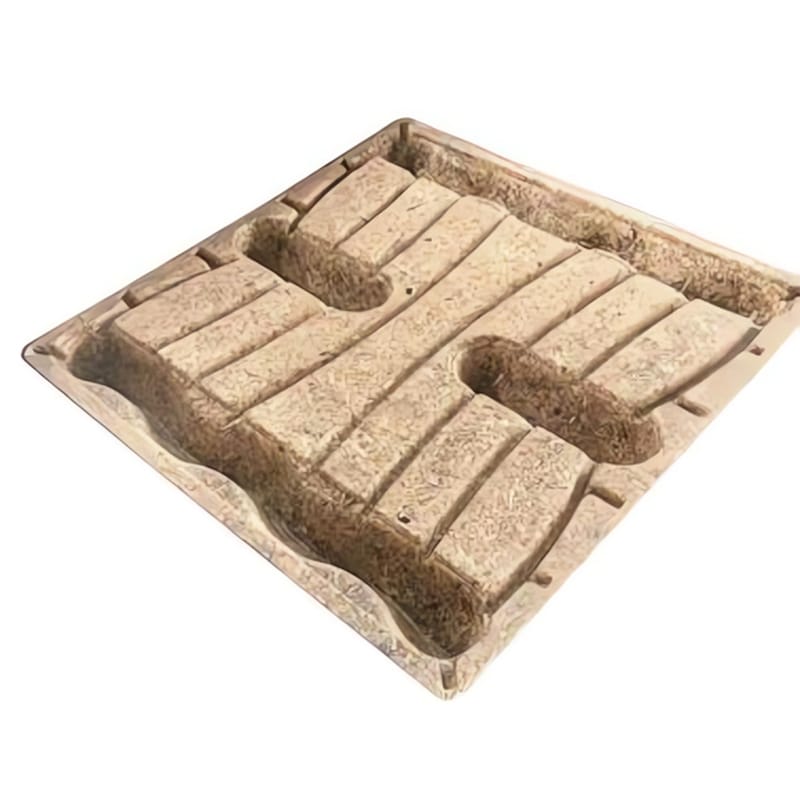
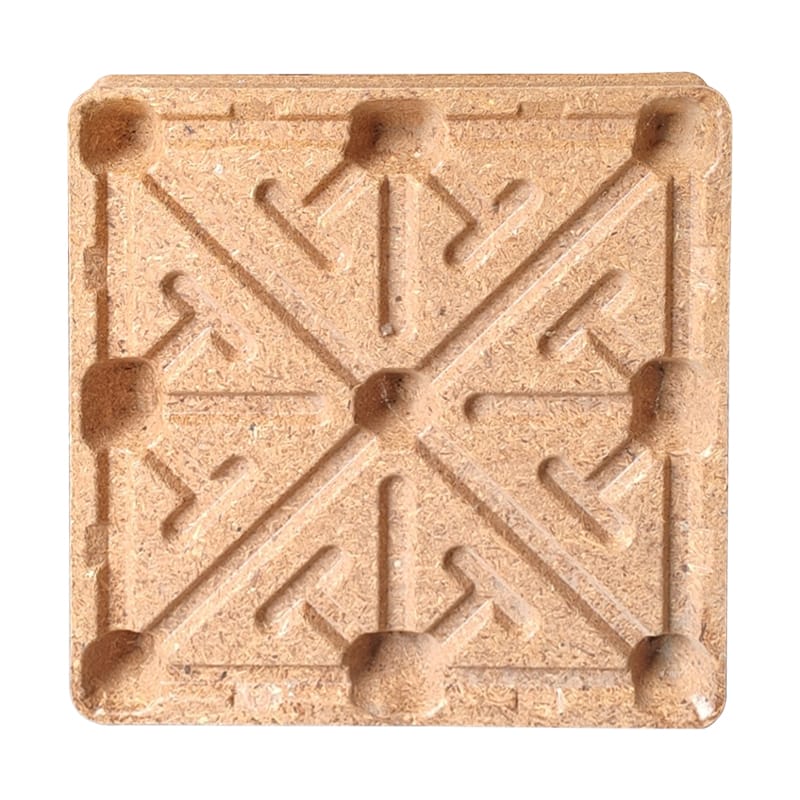
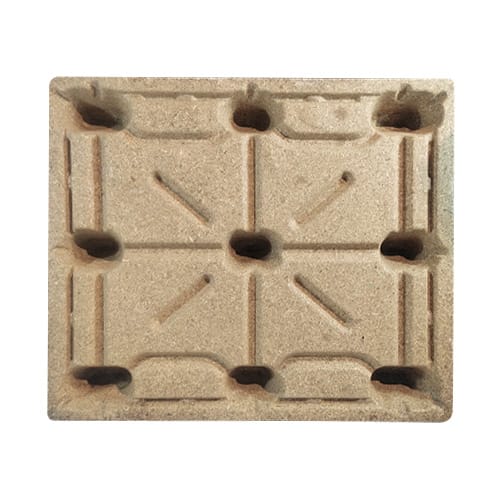
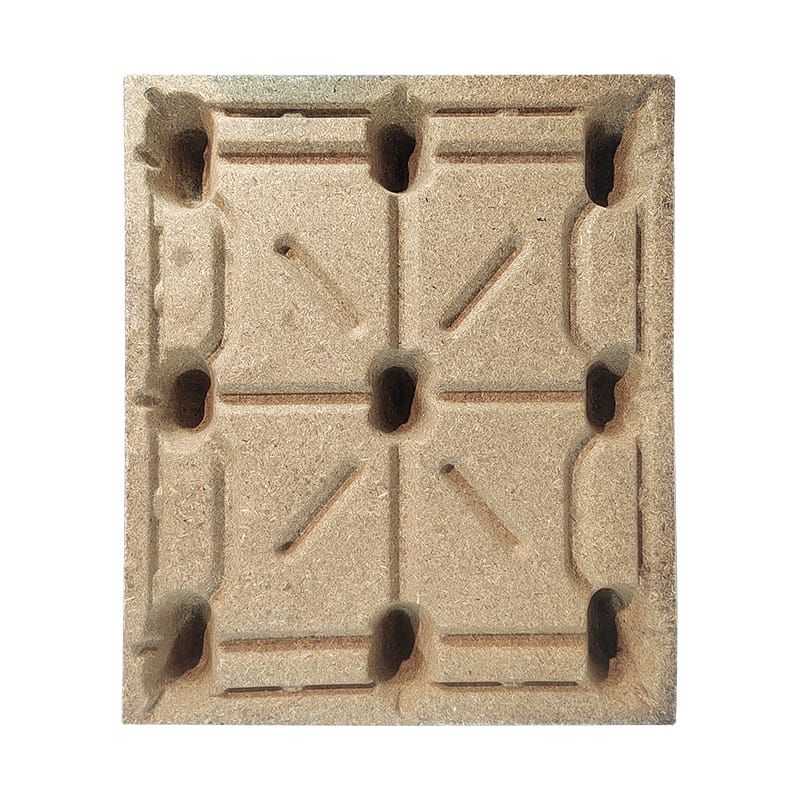
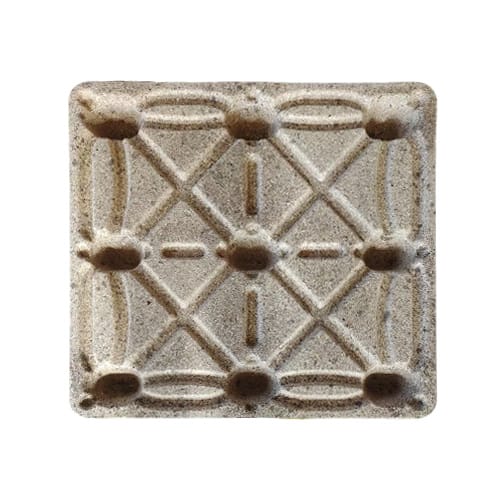
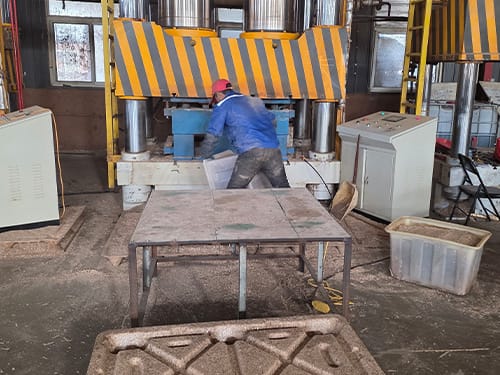
The two-layer presswood pallet is manufactured using a high-pressure molding process that compresses natural fiber materials into a dense structural form. Unlike conventional designs made from assembled components, this pallet is formed as an integrated structure.
You can explore the product structure here:
Two-layer Presswood Pallets
Key structural advantages:
- Integrated compression forming reduces weak connection points
- Dual-layer reinforcement improves load distribution
- Uniform density ensures consistent performance
- No assembly joints means fewer structural failures
This design philosophy is aligned with modern logistics engineering trends documented in supply chain material optimization research published by organizations such as the Material Handling Industry (MHI).
Why the Two-layer Presswood Pallets Dimension Is Strategically Important
Pallet dimensions are not random—they directly influence container efficiency and warehouse design compatibility.
The two-layer presswood pallets square format is particularly effective in:
- container loading symmetry
- warehouse racking systems
- mixed cargo distribution
- space optimization in transport units
Geometry-based efficiency insight
This square footprint allows equal distribution of load pressure in all directions, which improves stacking stability and reduces tipping risk during transport.
How Two-Layer Structure Improves Load Performance
Unlike single-layer pallet systems, the two-layer presswood structure provides reinforced mechanical resistance.
Performance benefits include:
- improved vertical load resistance
- reduced deformation under long-term stacking
- better shock absorption during transport
- enhanced durability in automated handling systems
This makes it especially suitable for high-volume logistics environments where repetitive handling is common.
Real Logistics Case: Warehouse Optimization Through Structural Upgrade
A mid-scale distribution operator managing mixed industrial goods experienced recurring issues with pallet deformation and inconsistent stacking stability.
Initial challenges:
- uneven load distribution during stacking
- frequent pallet replacement cycles
- inefficient forklift handling
- container space underutilization
Solution approach:
They transitioned to a structured molded pallet system using a two-layer presswood design.
Operational improvements observed:
- more stable stacking during warehouse storage
- reduced product movement during transportation
- improved container loading consistency
- smoother integration with forklift systems
This transition demonstrates how pallet engineering directly impacts logistics performance rather than just serving as a transport platform.
Sustainability Advantage of Presswood Pallets
Modern supply chains are under increasing pressure to reduce environmental impact. Two-layer presswood pallets address this need by using compressed natural fiber materials that are often derived from:
- wood processing byproducts
- agricultural residues
- recycled plant fibers
According to EPA Sustainable Materials Management guidelines, optimizing material reuse in logistics packaging significantly reduces environmental footprint across global supply chains.
Key sustainability advantages include:
- reduced reliance on solid timber cutting
- lower material waste during production
- improved recyclability after use cycle
- energy-efficient manufacturing process
Comparison: Two-Layer Presswood vs Traditional Pallets
| Feature | Two-Layer Presswood Pallet | Traditional Wood Pallet |
|---|---|---|
| Structural integrity | High (integrated molding) | Medium (assembled parts) |
| Weight efficiency | Optimized | Heavier |
| Moisture resistance | Strong | Moderate |
| Consistency | Uniform | Variable |
| Export suitability | High | Requires treatment |
| Maintenance | Low | High |
This comparison highlights why engineered molded pallets are becoming increasingly preferred in export-oriented logistics systems.
Compatibility with Automated Warehousing Systems
Automation is becoming a standard in modern warehouse operations. Two-layer presswood pallets are designed with uniform dimensions and stable geometry, making them compatible with:
- conveyor systems
- robotic pallet handlers
- automated stacking systems
- high-density storage racks
Logistics industry insights shared by Supply Chain Digital confirm that standardized pallet structures significantly improve automation efficiency and reduce operational errors.
Export Logistics Performance Advantages
Export logistics requires pallets that can withstand long-distance transportation, variable climates, and multiple handling stages.
Two-layer presswood pallets offer:
- stable performance under vibration conditions
- reduced risk of structural deformation
- consistent stacking geometry
- simplified inspection processes
Because they are produced through high-pressure molding, they also maintain consistent quality standards across batches.
Visual Learning: Pallet Handling Efficiency
To better understand how engineered pallets improve warehouse handling systems, watch this reference demonstration:
This type of visualization helps illustrate how structural design affects real-world logistics flow.
Where Two-Layer Presswood Pallets Deliver Maximum Value

This pallet structure is particularly effective in:
- export packaging operations
- automated warehouses
- high-density storage environments
- standardized distribution systems
- industries requiring stable stacking performance
If your logistics system requires consistency and reduced handling failure rates, this design offers a strong structural advantage.
Final Insight
The two-layer presswood pallet represents a shift from traditional pallet thinking toward engineered logistics solutions. Instead of simply supporting goods, it actively contributes to supply chain efficiency, structural reliability, and sustainability performance.
As global logistics continues to evolve toward automation and environmental responsibility, adopting advanced molded pallet systems is becoming less of an option and more of a strategic necessity.
FAQ
What is a two-layer presswood pallet?
It is a molded pallet formed using compressed natural fiber materials with a reinforced dual-layer structure for improved load stability.
Is it suitable for export use?
Yes, its molded structure and uniform composition make it highly suitable for international logistics operations.
How is it different from traditional wood pallets?
It is not assembled from separate boards but formed as a single molded structure, improving consistency and strength.
Can it be used in automated warehouses?
Yes, its uniform dimensions make it compatible with most automation systems.
Is it environmentally friendly?
Yes, it is produced from recycled and natural fiber materials, reducing environmental impact.