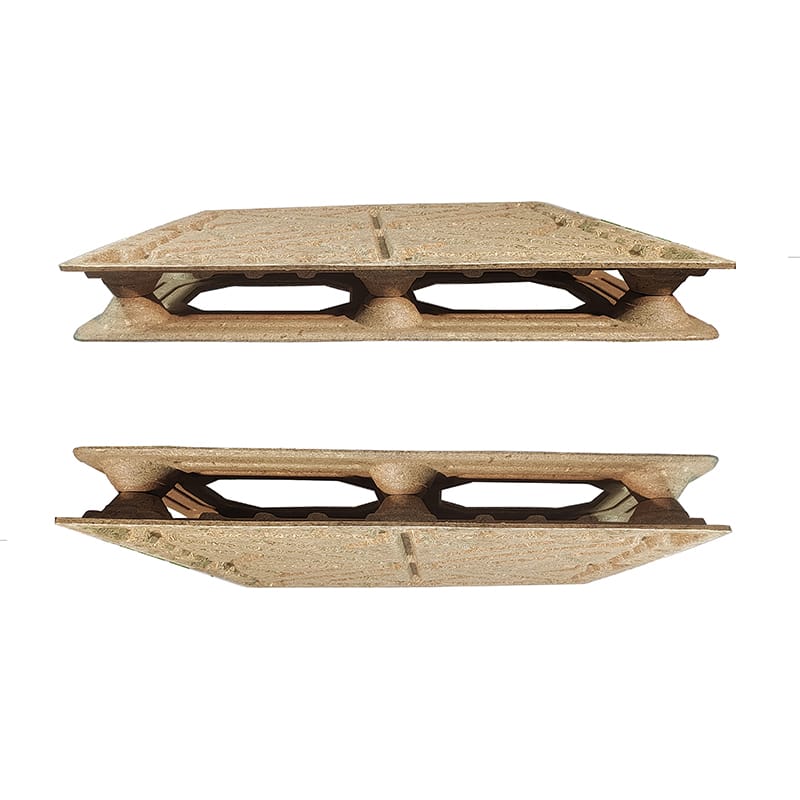

In today’s fast-moving global supply chain, efficiency is no longer a competitive advantage—it is a necessity. One of the most overlooked yet critical components of logistics optimization is pallet standardization. Among various options available, the flat wood pallet has become a widely discussed solution for businesses seeking better space utilization, stable cargo handling, and improved warehouse flow.
If you are managing warehousing, export operations, or distribution networks, understanding how this pallet format fits into modern logistics planning can directly impact your operational performance.
This guide takes a deep, practical look at the flat wood pallet, its real-world applications, and how it compares to other pallet configurations in terms of efficiency, stability, and system compatibility.
Table of Contents
Why the Flat Wood Pallet Dimension Matters in Logistics
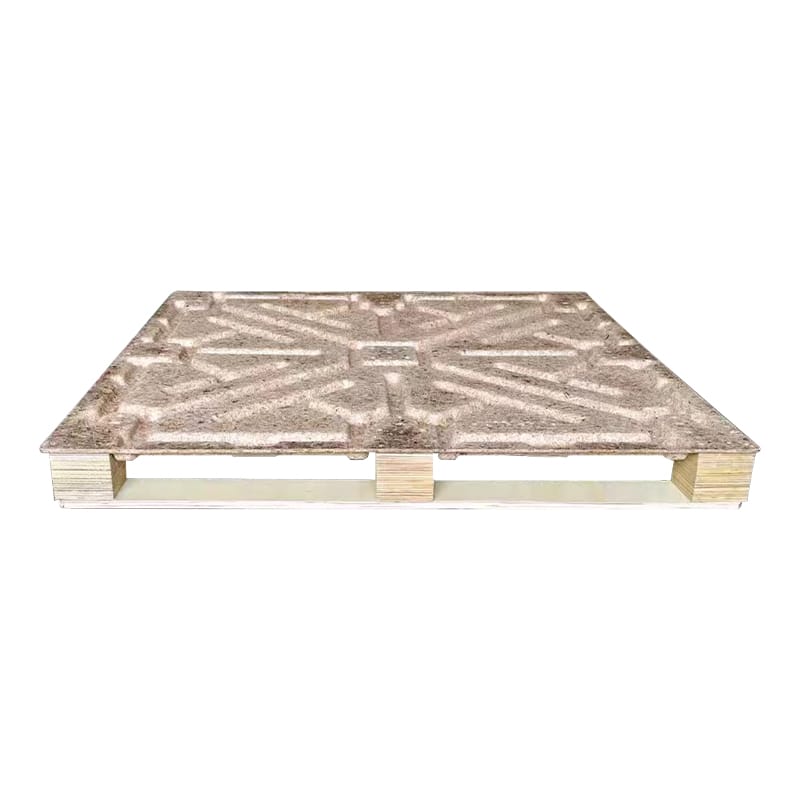
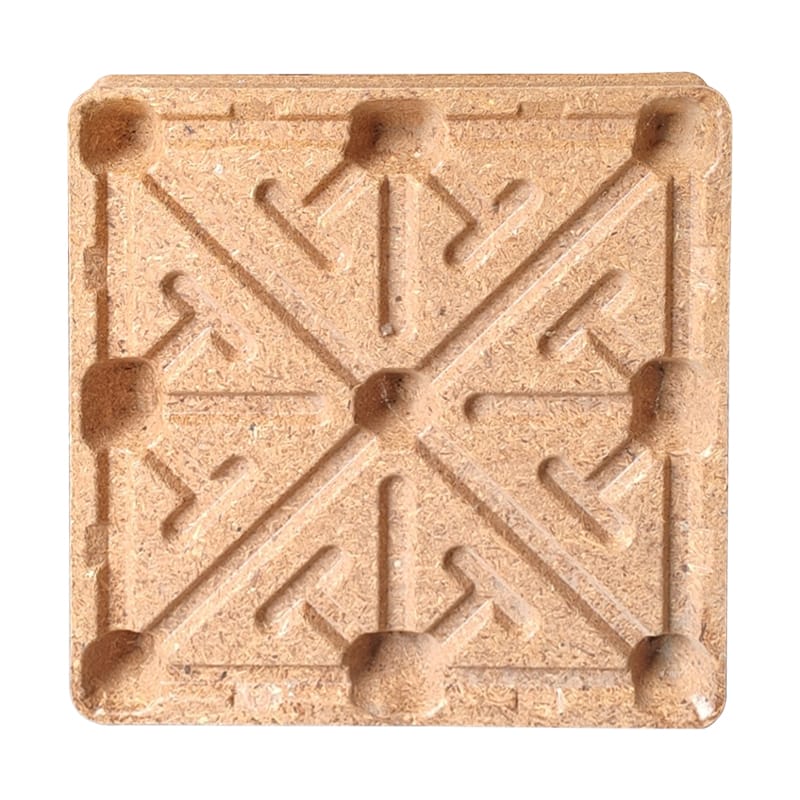
The square format is not an arbitrary design. It is widely used because it balances container utilization, stacking efficiency, and handling flexibility.
In logistics design research published by the International Organization for Standardization (ISO), standardized pallet footprints are essential for maximizing container load efficiency and reducing empty space during transport.
A square pallet like flat wood pallet offers:
- balanced load distribution
- compatibility with container layouts
- improved stacking stability
- flexible orientation inside warehouses
This makes it especially suitable for businesses dealing with mixed cargo sizes or container-based shipping systems.
Flat Wood Pallet Design: What Makes It Different?
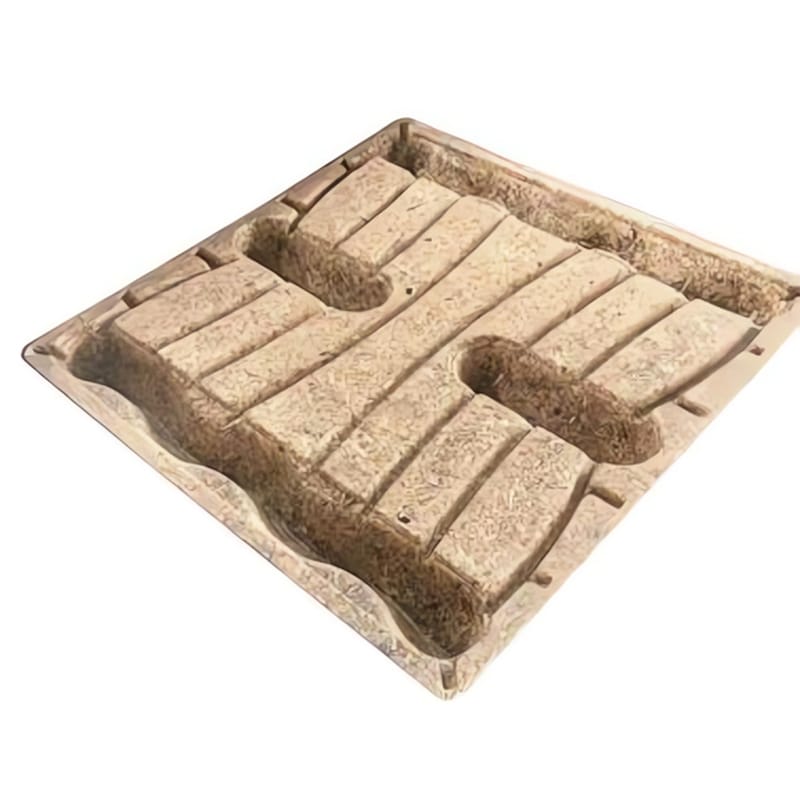
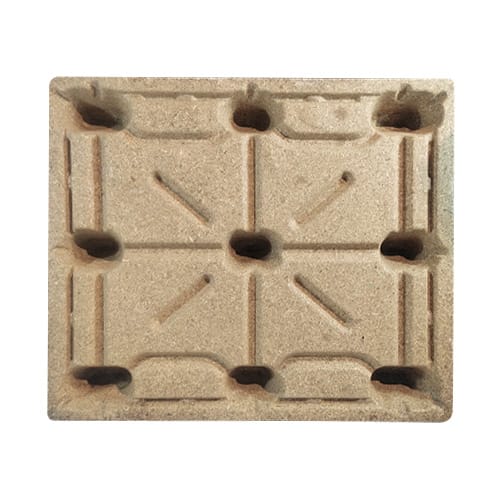
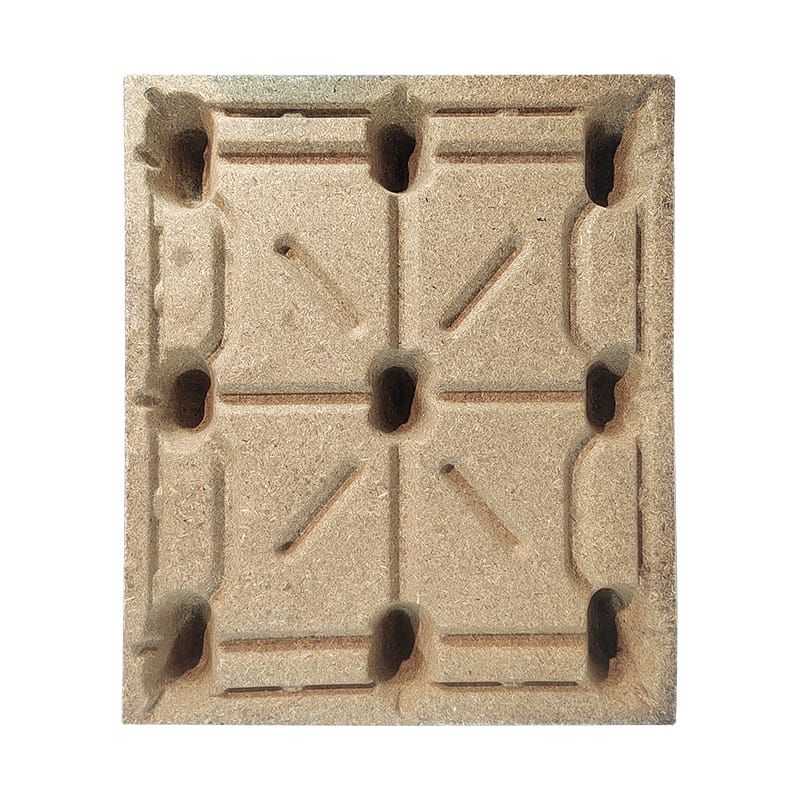
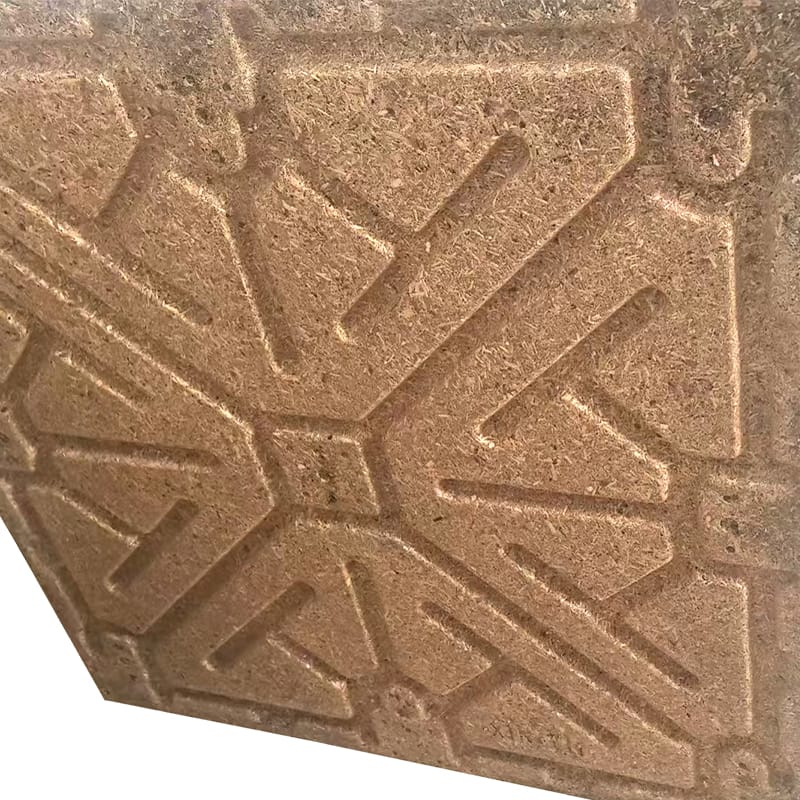
Unlike reinforced or multi-layer pallet systems, a flat wood pallet is designed with a simple, low-profile structure. This design focuses on:
- smooth surface contact
- stable base support
- minimal height for stacking efficiency
- easy forklift access
You can explore the structural configuration directly on the product page: Flat Wood Pallet
Flat pallet designs are particularly effective in systems where vertical space optimization is as important as horizontal storage.
How Pallets Improve Container Utilization
One of the biggest challenges in logistics is container space wastage. Poorly matched pallet sizes often result in unused gaps or inefficient loading patterns.
According to logistics efficiency insights shared by the Material Handling Industry (MHI), improving pallet-to-container compatibility can significantly increase shipping efficiency.
The flat wood pallet format is especially effective in:
- square container layouts
- mixed product shipments
- high-density loading environments
By aligning pallet geometry with container dimensions, you reduce unused space and improve cost-per-shipment efficiency.
Real-World Case: Warehouse Optimization Through Pallet Standardization
A distribution center handling consumer goods faced recurring inefficiencies due to inconsistent pallet sizes. Their warehouse layout suffered from:
- irregular stacking patterns
- inefficient aisle utilization
- frequent re-handling of cargo
After standardizing operations using flat pallets, they observed:
- improved rack compatibility
- smoother forklift movement paths
- reduced internal handling time
- better container loading consistency
This type of optimization is not uncommon in modern logistics transformation projects, where pallet standardization becomes a foundational step.
Structural Benefits of Flat Wood Pallets
Flat wood pallets offer several mechanical and operational advantages when compared to complex multi-layer pallet systems.
1. Load Stability
The flat surface ensures uniform contact with cargo, reducing tilting or uneven weight distribution.
2. Simplified Handling
Forklift operators benefit from easier entry points and predictable handling behavior.
3. Stack Efficiency
Flat design allows stable vertical stacking when properly loaded.
4. Reduced System Complexity
Fewer structural components mean fewer failure points during repeated use cycles.
Compatibility with Warehouse Systems
Modern warehouses increasingly rely on automated systems, including conveyor belts, robotic palletizers, and smart storage systems.
The flat wood pallet is widely compatible with:
- automated forklift systems
- pallet racking systems
- conveyor transfer lines
- bulk storage zones
This compatibility is a key reason why standardized pallet formats are widely recommended in logistics engineering resources such as Supply Chain Digital.
Sustainability Considerations in Modern Pallet Design
Sustainability is now a major decision factor in supply chain planning.
Flat wood pallets can support sustainability goals when produced from:
- recycled wood fibers
- agricultural residues
- regenerated natural materials
Modern molded manufacturing technologies allow efficient use of raw materials while reducing waste generation.
You can learn more about sustainable materials usage from EPA Sustainable Materials Management guidelines.
Comparison: Flat Wood Pallets vs Other Pallet Types
| Feature | Flat Wood Pallet | Reinforced Pallet Systems | Plastic Pallets |
|---|---|---|---|
| Weight Efficiency | Moderate | Higher | Low |
| Cost Efficiency | Balanced | Higher | Higher |
| Stack Stability | High | Very High | High |
| Container Fit | Excellent | Good | Good |
| Automation Compatibility | High | High | High |
| Repairability | Moderate | Moderate | Low |
This comparison shows that flat wood pallets offer a strong balance between performance and simplicity.
When You Should Choose Flat Pallets
This pallet format is particularly effective if your operation involves:
- container-based export logistics
- high-frequency warehouse movement
- standardized storage systems
- mixed cargo shipments
- automated handling environments
If your supply chain requires both flexibility and consistency, this pallet size provides a reliable foundation.
Industry Trends Driving Pallet Standardization
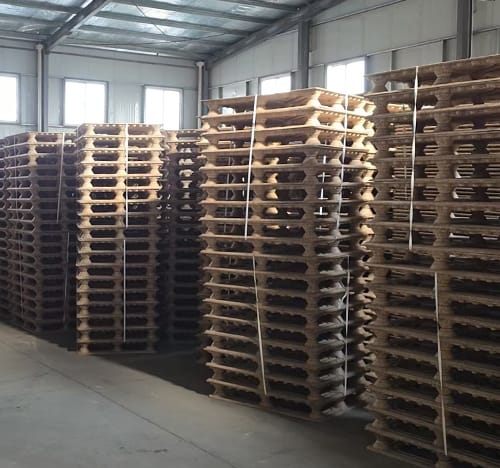
Global logistics trends are increasingly pushing toward standardization. Key drivers include:
- automation in warehousing
- rising freight costs
- container optimization requirements
- sustainability regulations
- digital supply chain tracking
These trends reinforce the importance of choosing standardized pallet formats like flat wood pallet systems.
Final Insight
The flat wood pallet is not just a structural component—it is a logistics optimization tool. When properly integrated into warehouse and shipping systems, it can significantly improve efficiency, reduce wasted space, and support scalable supply chain operations.
As global logistics continue to evolve toward automation and standardization, choosing the right pallet format becomes a strategic decision rather than a simple procurement choice.
FAQ
What is special about the pallet size?
It offers balanced container compatibility and is widely used in square loading systems for improved space utilization.
Is a flat wood pallet suitable for export?
Yes, when properly manufactured and treated, it can be used in export logistics systems.
Can this pallet be used in automated warehouses?
Yes, it is compatible with most standard automation and forklift systems.
How does a flat pallet differ from reinforced designs?
Flat pallets focus on simplicity and efficiency, while reinforced pallets prioritize heavy-duty stacking strength.
Why is standardization important in pallet systems?
Standardization improves logistics efficiency, reduces handling errors, and maximizes storage utilization.