
Table of Contents
When you’re managing logistics, warehousing, or shipping, wooden pallets often sit at the heart of your operations. But not all pallets are created equal—and the wrong choice can hurt efficiency, increase costs, and put your products at risk. In this detailed guide, you’ll learn everything you need to know about pressed wood pallets, how they compare to other materials, when custom molded pallets make sense, and actionable steps to optimize your logistics.
You’ll walk away with practical insights and real-world examples that help you choose, customize, and implement the best pallet strategy for your business.
Why Wooden Pallets Still Lead in Global Logistics
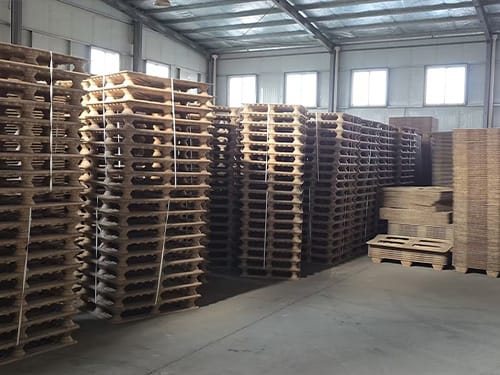
Wood pallets remain one of the most widely used platforms in logistics worldwide. Their popularity isn’t accidental; it comes from a mix of cost-effectiveness, performance, sustainability, and adaptability.
- Wood pallets maximize storage efficiency and product protection. You can stack goods safely and keep them off the ground, reducing risk from moisture and contamination. Learn why wooden pallets remain essential in supply chains.
- They are economical compared to plastic or metal pallets, especially when you consider repairability and reuse. Explore the benefits of wood pallets.
- Wooden pallets can be made in a wide range of sizes and load capacities to fit your unique needs.
By understanding these foundational benefits, you can better decide when a standard pallet suffices—and when custom molded pallets offer significant advantages.
Understanding Standard Pressed Wood Pallets Sizes and Load Capacities
Choosing the right pallet size affects warehouse space utilization, handling equipment compatibility, and transportation efficiency.
Here’s a breakdown of commonly adopted wooden pallet dimensions:
| Region / Standard | Size (mm or inches) | Typical Use |
|---|---|---|
| North America (GMA) | 48 × 40 inches | Grocery, consumer goods |
| Europe (Euro) | 1200 × 800 mm | EU-wide logistics |
| Asia | 1100 × 1100 mm | Regional transport & export |
| 1200 × 1000 mm | General export usage | Warehousing and containerization |
Learn more about standard wood pallet sizes.
Why Size Matters
- The wrong pallet size can reduce load capacity and waste truck or container space, hurting your bottom line.
- Standard sizes are typically supported by handling equipment like forklifts or conveyors without extra adjustments. Read more on choosing the right size.
Comparing Wooden Pallets With Other Materials
Below is a simplified comparison of different pallet types to help you see where wood stands:
| Feature | Wooden | Plastic | Metal |
|---|---|---|---|
| Cost | ⭐⭐⭐ | ⭐⭐ | ⭐ |
| Repairability | Easy | Hard | Hard |
| Load Bearing | High | Medium | Very High |
| Lifespan | Medium | Long | Very Long |
| Sustainability | ✔️ Renewable | ❌ Petroleum-based | ♻️ Recyclable |
| Customization | ✔️ Flexible | Limited | Limited |
Explore more in the practical shipping pallets guide.
Takeaway: Wooden pallets are often the best balance of cost, performance, and sustainability for general logistics. For specialized high-hygiene environments like pharmaceuticals, plastic or metal may still be considered.
Wooden Pallet Grades and Quality Levels
Not all wood pallets are built the same. Understanding pallet quality helps you match your operational demands with the right solution.
| Pallet Grade | Description | Typical Capacity |
|---|---|---|
| Grade A | Like-new, premium quality | 2,500–3,000 lbs |
| Grade B | Used but sound | 2,000–2,500 lbs |
| Grade C | Repaired or worn | 1,500–2,000 lbs |
Learn about wooden pallet grades to make informed choices.
When Standard Wooden Pallets Aren’t Enough
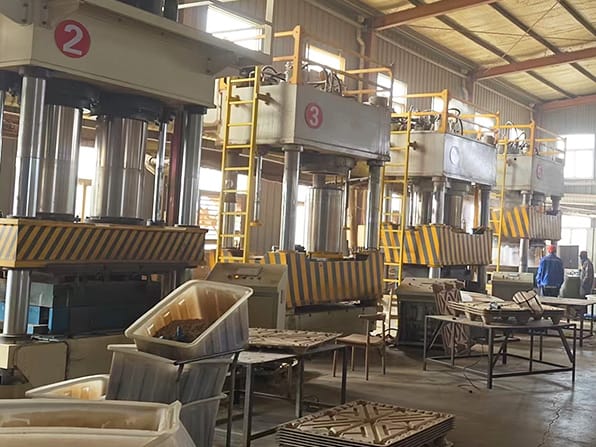
Although standard wooden pallets serve many needs, your supply chain might benefit from custom or molded pallets, especially when:
1. Your Products Don’t Fit Standard Dimensions
If your goods are irregularly shaped or oversized, standard pallets may cause overhang or instability. Custom designs improve load stability and reduce safety risks.
2. You Want Higher Load Capacity
For industries like heavy manufacturing, custom pallets can be engineered for higher weight support than typical wooden pallet configurations.
3. You Need Compliance Without Manual Treatment
Traditional wooden pallets often require ISPM 15 treatment for export—a fumigation or heat process to prevent pest spread. Molded pallets can naturally comply, saving time and cost.
Real Case Study: Reducing Export Delays with Customized Pallets
A Singapore-based electronics distributor frequently shipped long, oddly shaped equipment to Europe and Australia. Their standard 1200×1000 mm wooden pallets didn’t align well with product dimensions, leading to:
- Frequent product shifting during transit
- Higher damage claims
- Delays due to additional packing materials
Solution: They switched to tailor-made molded pressed wood pallets that matched product dimensions and included integrated load restraints.
Results:
- Damage rates dropped by 45%
- Packing time reduced by 30%
- Container space utilization improved by 15%
This shows how custom pallets can yield tangible logistics benefits.
Sustainability and Environmental Impact
Wood pallets have a notable environmental edge:
- They are typically made from renewable wood resources.
- At the end of life, wood can be repurposed or recycled. Learn how wood pallets reduce environmental impact.
- Recycling and reusing pallets significantly reduces landfill waste.
Wood Pallet Cost Considerations and Market Insight
| Cost Factor | Wooden Pallet Impact |
|---|---|
| Initial Purchase | 💲 Low–Medium |
| Repair & Maintenance | 💲 Low |
| Freight Weight Impact | ⚖️ Depends on Design |
| Longevity & Reuse | 🔁 High |
For pricing trends, check wooden pallet market insights.
Best Practices for Using Wooden Pallets
- Match pallet size to supply chain needs: container patterns, warehouse racks, and handling equipment.
- Inspect and maintain pallets regularly to reduce breakages.
- Consider molded pallet alternatives for hygiene, precision, or export without fumigation.
- Track costs holistically: Include handling, storage, and damage costs.
Conclusion
Choosing the right wooden pallet solution is transformative for your logistics. Proper selection, customization, and maintenance can reduce damage, optimize space, and improve supply chain efficiency. Evaluate your current setup and explore custom molded designs to maximize performance—because in modern logistics, every detail counts.
FAQ
Are wooden pallets better than plastic or metal pallets?
Wooden pallets often win on cost and sustainability, though plastic or metal may suit high-cleanliness or heavy-duty needs.
How do I choose the right pressed wood pallets size?
Assess product footprint, container compatibility, and warehouse equipment. Standard sizes like 48×40 inches work for many cases.
Do pressed wood pallets require special treatment for export?
Yes, traditional wooden pallets require ISPM 15 treatment, but molded pallets often comply without fumigation.
How long do pressed wood pallets last?
Lifespan depends on usage and grade, but high-quality pallets can last years with proper care.
Can pressed wood pallets be recycled?
Yes, they are biodegradable and can be reprocessed into new wood products or biomass.