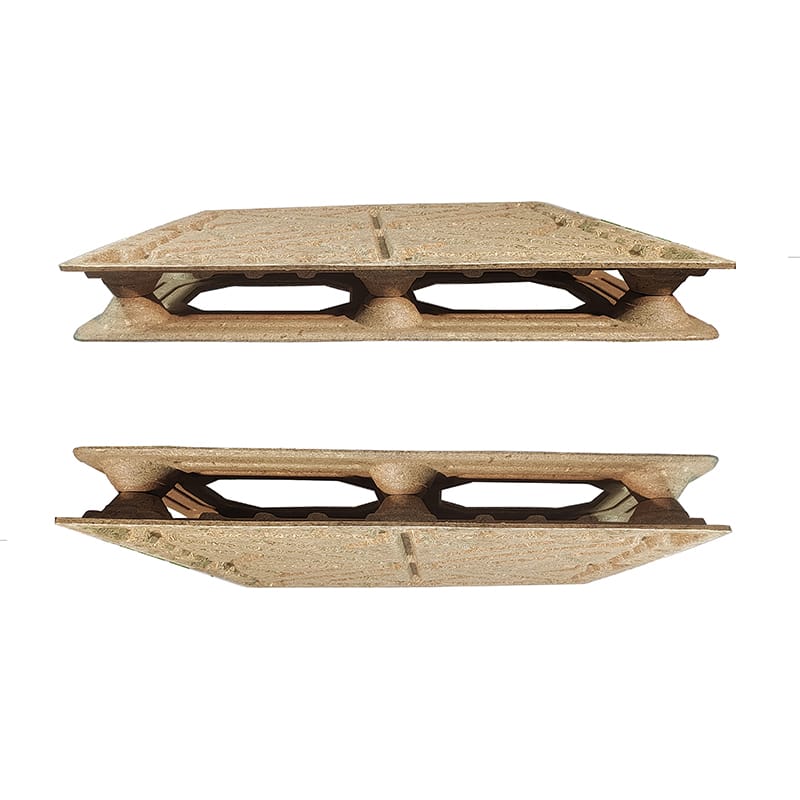

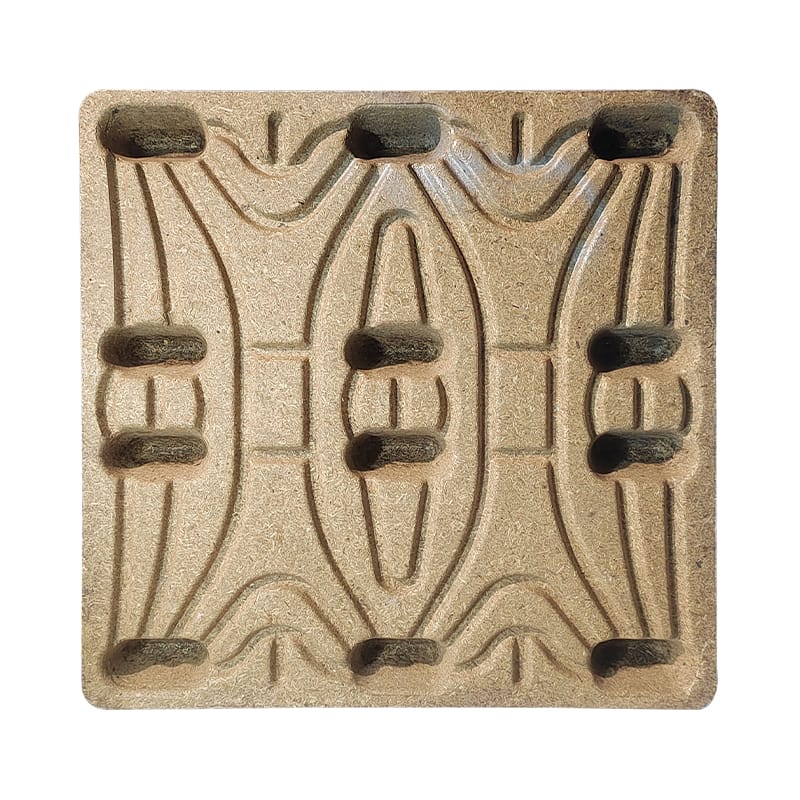
When it comes to global logistics and international shipping, choosing the right type of pallet can have a significant impact on efficiency, cost, and compliance. Businesses often face a choice between heat treated pallets and fumigated pallets, both designed to prevent pest infestations and meet export regulations. In this guide, you will gain a comprehensive understanding of these two types of pallets, their advantages, disadvantages, and which solution may best fit your operational needs.
Here’s what you will learn:
- The core differences between heat treated and fumigated pallets
- How international regulations affect pallet selection
- Cost, durability, and environmental considerations
- Pest prevention capabilities
- Customization and supplier selection
- Frequently asked questions for business buyers
Table of Contents
Introduction
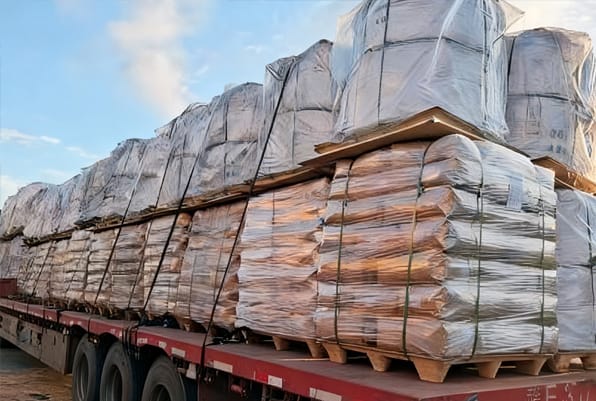
Heat-treated pallets and fumigated pallets are both designed to meet international export requirements, but they achieve compliance in different ways. Understanding the process behind each method is crucial for selecting the right pallet solution for your supply chain.
Definition of Heat Treated Pallets
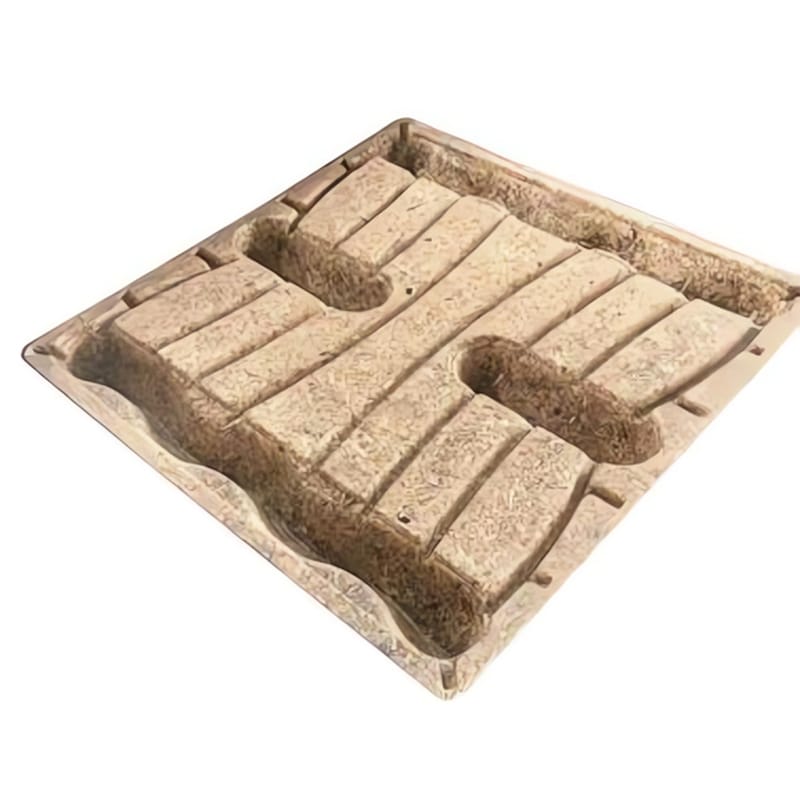
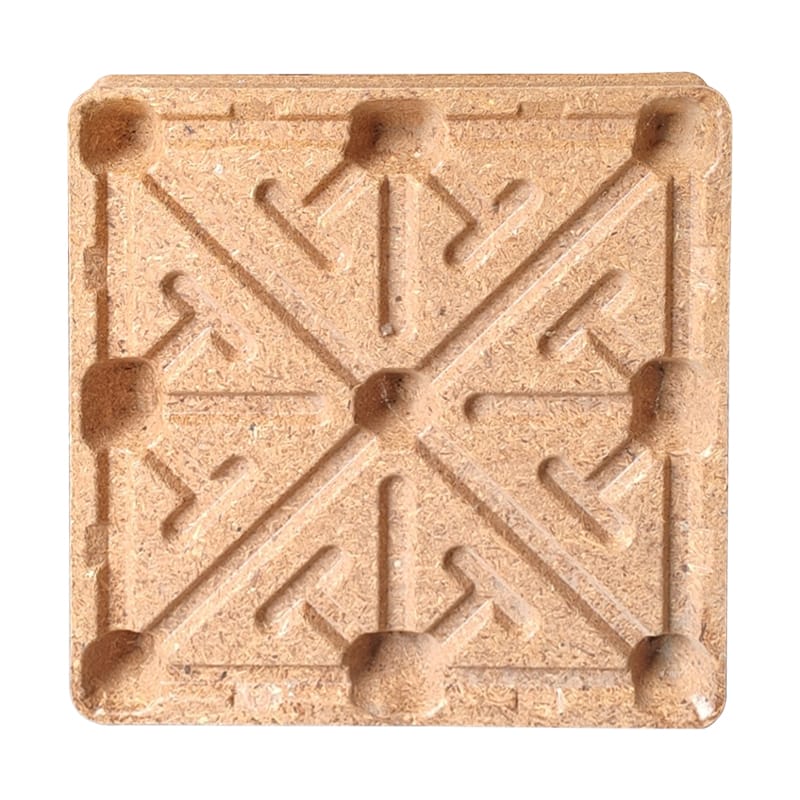
Heat-treated pallets are wooden pallets that undergo a controlled heating process, typically reaching a core temperature of 56°C for at least 30 minutes. This treatment kills insects, larvae, and other pests that may reside in the wood, making the pallets safe for export.
Definition of Fumigated Pallets
Fumigated pallets, on the other hand, are treated with chemical gases such as methyl bromide to eradicate pests. While effective, fumigation involves handling chemicals and may leave residues, which can be a concern for food, pharmaceutical, or sensitive goods shipments.
Introduction to Pallet Treatment Methods
Heat-treated pallets and fumigated pallets are both designed to meet international export requirements, but they achieve compliance in different ways. Understanding the process behind each method is crucial for selecting the right pallet solution for your supply chain.
Definition of Heat Treated Pallets
Heat treated pallets are wooden pallets that undergo a controlled heating process, typically reaching a core temperature of 56°C for at least 30 minutes. This treatment kills insects, larvae, and other pests that may reside in the wood, making the pallets safe for export.
Definition of Fumigated Pallets
Fumigated pallets, on the other hand, are treated with chemical gases such as methyl bromide to eradicate pests. While effective, fumigation involves handling chemicals and may leave residues, which can be a concern for food, pharmaceutical, or sensitive goods shipments.
Cost Comparison Between Heat-Treated and Fumigated Pallets
Understanding the full cost of ownership is crucial. While initial purchase prices may vary, factors such as durability, replacement frequency, and maintenance affect the overall cost.
| Pallet Type | Initial Cost | Maintenance | Replacement Frequency | Total 1-Year Cost |
|---|---|---|---|---|
| Heat-treated | Medium | Low | Low | Medium |
| Fumigated | Low | Medium | Medium | Medium-High |
According to recent industry data, heat treated pallets may cost slightly more upfront, but their durability and lower maintenance make them more cost-effective over time.
Durability and Structural Strength
Durability is a key factor in warehouse operations and transportation. Heat treated pallets tend to maintain structural integrity better than fumigated pallets because they do not undergo chemical exposure that can weaken wood fibers.
A study conducted by a logistics association in 2023 showed that heat treated pallets can withstand up to 20% more repeated load cycles compared to chemically fumigated pallets. For businesses handling heavy goods, this translates to fewer replacements and lower operational interruptions.
Case Study of Load-Bearing Tests
One logistics company tested 500 heat treated pallets and 500 fumigated pallets under identical loading conditions. After six months, 98% of the heat treated pallets remained structurally sound, compared to 91% of fumigated pallets.
Environmental Impact and Sustainability
Sustainability is increasingly important in supply chain decisions. Heat treated pallets use a chemical-free process and are fully recyclable, making them environmentally friendly. Fumigated pallets involve chemicals that can pose disposal challenges and environmental risks if not handled correctly.
Recyclability and Reuse
Heat treated pallets can be reused multiple times, reducing demand for new timber and contributing to lower overall carbon emissions. Businesses can achieve up to 60% space savings in storage when stacking these pallets, enhancing warehouse efficiency.
Pest Prevention and Safety
Pest prevention is the primary reason for pallet treatment. Heat treated pallets use high temperatures to eradicate pests, ensuring compliance and reducing the risk of cargo contamination.
How Heat Treatment Kills Pests Effectively
The heat penetrates the wood to eliminate insect eggs, larvae, and adult insects, creating a pest-free pallet without leaving chemical residues.
Risks of Chemical Fumigation
Fumigated pallets rely on chemical gases that can leave residues on the wood surface, which may affect sensitive products or require additional handling precautions.
Customization and Application Flexibility
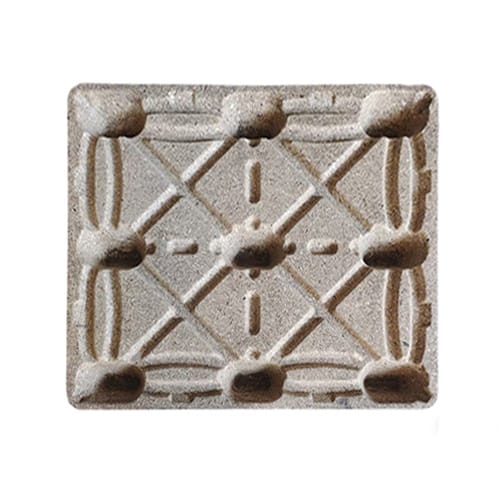
Heat treated pallets offer greater flexibility for businesses needing custom sizes, weights, and configurations. They can be designed for specific warehouse layouts, heavy load handling, or stacking requirements.
Example: Custom Heat Treated Pallets in Export Logistics
A global exporter of electronics required 1200×1000 mm pallets with reinforced core strength for overseas shipping. Heat-treated pallets were customized to specifications, eliminating fumigation concerns while meeting international shipping standards.
Selecting the Right Supplier
Choosing a reliable supplier is critical. Look for suppliers with proven experience, ISO certifications, and capacity to provide consistent quality.
Key Questions to Ask a Pallet Supplier
- Do you provide ISPM 15 certification for all pallets?
- Can you customize pallets based on size and load requirements?
- What is your average delivery lead time?
Conclusion
In summary, heat treated pallets offer a chemical-free, durable, and environmentally friendly solution for businesses shipping internationally. While fumigated pallets can be effective, they carry potential risks of chemical residues and slightly lower durability.
For companies looking to optimize logistics, reduce long-term costs, and meet international compliance standards, heat-treated pallets are generally the superior choice.
FAQ
Are heat treated pallets required for all exports?
Not all exports require heat treated pallets, but most international trade regulations mandate some form of pest treatment to meet ISPM 15 standards.
How long do heat-treated pallets last compared to fumigated pallets?
Heat-treated pallets typically last longer due to stronger structural integrity and lack of chemical weakening. Average lifespan can be 5–7 years with proper handling.
Can heat-treated pallets be reused safely?
Yes, heat-treated pallets can be reused multiple times without compromising pest-free compliance.
What industries benefit most from heat-treated pallets?
Industries with sensitive goods, including electronics, pharmaceuticals, and food, benefit from chemical-free, durable pallets.
Need Help Choosing the right heat-treated pallets?
If you’re unsure which heat treated pallets are best for your warehouse or export logistics, our experts are here to help. Contact us today for a personalized consultation, and ensure your shipments are safe, compliant, and cost-efficient. Don’t wait until delays or damages occur—get in touch now to optimize your supply chain with reliable custom pallets!