

Global logistics is evolving faster than ever. Supply chains are becoming more complex, shipping routes are longer, and warehouse automation is increasingly common. In this environment, something as simple as a pallet can directly influence transportation efficiency, product safety, storage density, and operational costs.
However, many companies still treat pallet sourcing as a simple purchasing task. They compare prices between suppliers and choose the cheapest option. In reality, the choice of a pallets supplier can determine whether your logistics system operates smoothly or suffers from hidden inefficiencies.
Industry logistics research has repeatedly shown that pallet design and quality affect multiple stages of the supply chain. According to studies published by logistics research organizations, inefficient pallet systems can increase warehouse handling time by more than 20% and raise transportation costs through unnecessary weight and poor stacking performance.
This is why experienced logistics managers pay close attention to pallet sourcing strategies. They understand that choosing the right pallets supplier is not only about buying pallets. It is about optimizing the foundation of every shipment, every warehouse operation, and every storage process.
In this guide, you will learn practical insights to help you evaluate pallet suppliers more effectively and make decisions that support long-term logistics efficiency.
Key insights you will learn in this article:
- Why selecting the right pallets supplier influences your entire supply chain
- How pallet material technology affects durability and performance
- The importance of pallet customization in modern logistics systems
- How pallet weight impacts transportation costs
- Why export compliance is a critical factor in pallet sourcing
- Sustainability considerations when choosing pallet materials
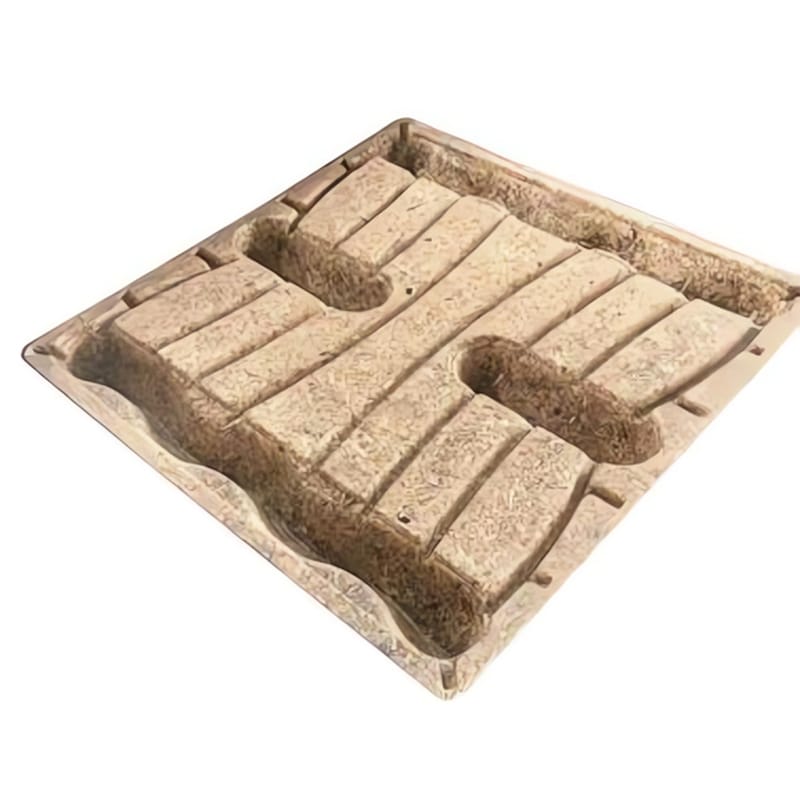
- How modern molded pallet technology is changing the industry
his is why experienced logistics managers pay close attention to pallet sourcing strategies. They understand that choosing the right pallets supplier is not only about buying pallets. It is about optimizing the foundation of every shipment, every warehouse operation, and every storage process.
In this guide, you will learn practical insights to help you evaluate pallet suppliers more effectively and make decisions that support long-term logistics efficiency.
Key insights you will learn in this article:
- Why selecting the right pallets supplier influences your entire supply chain
- How pallet material technology affects durability and performance
- The importance of pallet customization in modern logistics systems
- How pallet weight impacts transportation costs
- Why export compliance is a critical factor in pallet sourcing
- Sustainability considerations when choosing pallet materials
- How modern molded pallet technology is changing the industry
Understanding the Role of a Pallets Supplier
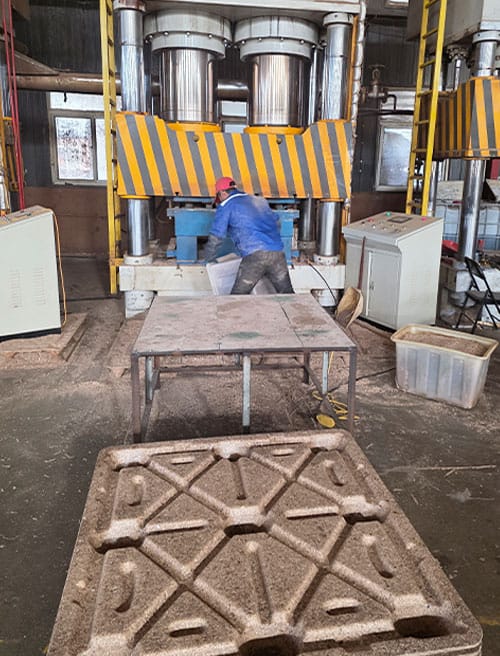
A pallets supplier provides much more than simple packaging support. In modern logistics operations, pallets serve as structural platforms that enable goods to move safely through warehouses, transportation networks, and distribution centers.
What Is a Pallet in Logistics?
A pallet is a flat transport structure designed to support goods in a stable manner during handling and storage. Pallets allow forklifts, pallet jacks, and automated systems to move large quantities of goods efficiently.
Without standardized pallet systems, warehouses would struggle to maintain efficient operations.
The Strategic Role of Pallets in Supply Chains
In a typical supply chain, pallets influence several operational stages:
- warehouse storage efficiency
- loading and unloading speed
- transportation safety
- product damage rates
- export compliance procedures
According to logistics efficiency studies published in supply chain management research journals, pallet standardization and design optimization can improve warehouse throughput by up to 30%.
This highlights why the choice of pallets supplier should be considered a strategic logistics decision rather than a simple purchasing task.
Tip 1: Evaluate the Supplier’s Material Technology
One of the first factors to examine when choosing a pallets supplier is material technology.
Different pallet materials offer different structural characteristics, environmental impacts, and operational advantages.
Common Pallet Material Categories
The three most widely used pallet material types include:
- solid wood pallets
- plastic pallets
- molded fiber pallets
Each material category has unique advantages depending on logistics needs.
Material Performance Factors
When evaluating pallet materials, logistics professionals typically analyze:
- structural strength
- resistance to moisture
- lifespan in warehouse environments
- recyclability and sustainability
Material technology also affects manufacturing consistency. Advanced pallet production processes create more uniform structures and reduce failure risks during heavy loads.
Tip 2: Look for Customization Capabilities
A professional pallets supplier should provide customization services tailored to specific operational environments.
Why Standard Pallets Are Not Always Ideal
Standard pallet sizes work well in many situations, but some logistics systems require specialized pallet designs.
For example:
- automated warehouses require precise pallet dimensions
- export shipments benefit from lightweight pallet structures
- rack storage systems require reinforced pallet bases
Custom pallets allow businesses to optimize handling efficiency and reduce operational risks.
Common Custom Pallet Modifications
Customization options may include:
- pallet dimensions
- load capacity adjustments
- reinforcement structures
- stacking features
- compatibility with automated systems
Customization ensures pallets integrate smoothly with warehouse equipment and transport systems.
Tip 3: Compare Load Capacity and Structural Strength
Load capacity is one of the most critical characteristics when selecting a pallets supplier.
Static Load vs Dynamic Load
Static load refers to the maximum weight a pallet can support while stationary.
Dynamic load refers to the weight a pallet can safely handle while being moved by equipment such as forklifts.
Both measurements are important when evaluating pallet durability.
Why Structural Design Matters
The structural design of a pallet determines how weight is distributed across its surface.
Modern molded pallet technology uses compression manufacturing methods that create integrated support structures. This helps distribute stress evenly across the pallet surface.
Uniform stress distribution reduces the risk of structural failure.
Tip 4: Consider Pallet Weight and Shipping Efficiency
Transportation costs are influenced by many factors, including pallet weight.
How Pallet Weight Affects Freight Costs
When goods are shipped internationally, total cargo weight directly affects freight expenses.
A lighter pallet design allows businesses to ship more products within the same weight limits.
Logistics analysts estimate that reducing pallet weight by even 2–3 kilograms per pallet can significantly reduce overall shipping costs when shipments include hundreds or thousands of pallets.
Operational Benefits of Lightweight Pallets
Lightweight pallets also offer additional advantages:
- easier manual handling
- reduced worker fatigue
- faster warehouse operations
These factors contribute to overall logistics efficiency.
Tip 5: Evaluate Sustainability and Environmental Impact
Environmental responsibility is becoming a major consideration in pallet sourcing decisions.
Growing Demand for Sustainable Logistics
Many companies now track carbon emissions across their supply chains.
Pallet materials contribute to these sustainability metrics.
Environmentally responsible pallet options typically feature:
- recyclable materials
- renewable resource inputs
- reduced manufacturing waste
Circular Economy Principles in Pallet Production
Some pallet manufacturing technologies allow materials to be recycled at the end of the pallet lifecycle.
This supports circular economy logistics systems, where materials remain in productive use rather than becoming waste.
Tip 6: Understand Export Compliance Requirements
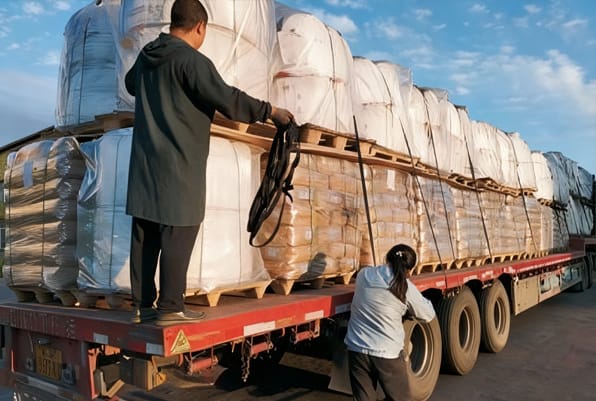
Businesses that ship products internationally must ensure their pallets meet export regulations.
Why Export Compliance Is Necessary
Certain untreated wood materials may carry pests or plant diseases that could affect ecosystems in other regions.
As a result, international trade regulations often require wood pallets to undergo treatment procedures before export.
Manufacturing Processes That Simplify Compliance
Some pallet manufacturing technologies use high-temperature compression processes.
These processes eliminate biological contaminants during production, allowing pallets to meet export requirements without additional treatments.
This reduces delays and simplifies international logistics procedures.
Tip 7: Compare Total Cost Instead of Unit Price
Price comparisons often focus only on the cost per pallet. However, experienced logistics managers evaluate total ownership costs.
Hidden Costs Associated with Low-Quality Pallets
Low-cost pallets may lead to higher expenses over time due to:
- higher damage rates
- frequent pallet replacement
- increased transportation weight
- inefficient stacking
These hidden costs can exceed initial savings.
Evaluating Total Cost of Ownership
When selecting a pallets supplier, companies often analyze:
- purchase price
- pallet lifespan
- transportation efficiency
- recyclability value
A balanced evaluation provides a clearer understanding of long-term logistics costs.
Comparison of Major Pallet Types
The following table compares common pallet types used in global logistics systems.
| Pallet Type | Weight | Durability | Export Compliance | Environmental Impact | Cost Efficiency |
|---|---|---|---|---|---|
| Wooden Pallets | Medium | Moderate | Often requires treatment | Moderate | Moderate |
| Plastic Pallets | Heavy | High | Usually compliant | Recyclable but energy intensive | Higher upfront |
| Molded Fiber Pallets | Lightweight | Strong | Naturally compliant | Highly recyclable | Cost efficient |
This comparison highlights the importance of evaluating pallet performance across multiple dimensions.
The Evolution of Modern Pallet Manufacturing
Pallet manufacturing has changed significantly over the past few decades.
Traditional pallet production often relied on manual assembly processes. Modern manufacturing technologies now use automated systems and compression molding methods.
These technologies improve consistency, structural integrity, and production efficiency.
Advanced Manufacturing Techniques
Modern pallet production technologies include:
- compression molding
- automated structural design
- fiber material engineering
These innovations have led to pallets that are lighter, stronger, and more environmentally sustainable.
Logistics Efficiency and Pallet Design
Warehouse efficiency depends heavily on pallet compatibility with storage systems.
Pallet Design and Warehouse Automation
Automated warehouses require pallets with consistent dimensions and structural reliability.
Even small variations in pallet size can disrupt automated handling systems.
Pallet Stability During Transportation
Stable pallet structures reduce product movement during transportation. This helps prevent product damage and improves shipment safety.
Pallet Lifecycle Management
Understanding pallet lifecycle management helps businesses maximize pallet value.
Key Stages of the Pallet Lifecycle
A pallet lifecycle typically includes:
- manufacturing
- operational usage
- repair or reuse
- recycling or disposal
Efficient pallet management strategies extend pallet lifespan and reduce environmental impact.
Conclusion
Pallets are often overlooked in logistics planning, yet they form the structural foundation of nearly every shipment.
Choosing the right pallets supplier requires careful evaluation of material technology, structural design, customization capabilities, and sustainability considerations.
Businesses that invest time in selecting the right pallet solutions often benefit from:
- improved supply chain efficiency
- reduced logistics costs
- enhanced product safety
- stronger environmental performance
By applying the insights discussed in this guide, you can make more informed decisions and build a pallet sourcing strategy that supports long-term logistics success.
FAQ
How do you evaluate a reliable pallets supplier?
A reliable pallets supplier should demonstrate consistent product quality, manufacturing expertise, and the ability to meet large-scale demand.
Why do pallet materials matter?
Different materials affect durability, weight, sustainability, and export compliance.
How can pallets reduce logistics costs?
Efficient pallet designs reduce transportation weight, improve stacking density, and minimize product damage.
Are custom pallets necessary for all businesses?
Not always. However, customized pallet designs are beneficial when logistics systems require specialized dimensions or load capacities.
How long do pallets typically last?
Pallet lifespan depends on material type, usage conditions, and handling practices.