
Table of Contents
If you are responsible for procurement, logistics, or warehouse operations, you already know that pallets are no longer just a basic accessory. The right pallet choice directly affects transportation cost, storage efficiency, export compliance, and even customer satisfaction.
In recent years, presswood pallets have gained strong momentum across global supply chains. This article is written for you—decision-makers who need clear, practical guidance on whether presswood pallets are the right solution, how they perform in real operations, and how customized molded designs can solve problems that traditional pallets often create.
What Are Presswood Pallets and Why Are They Different
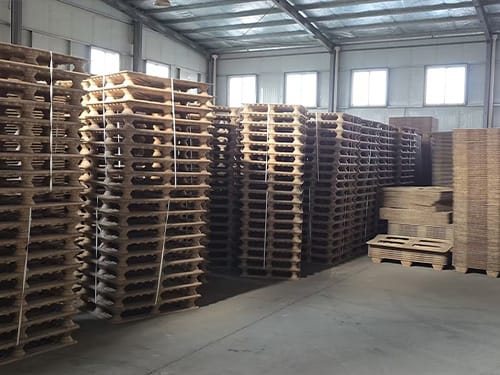
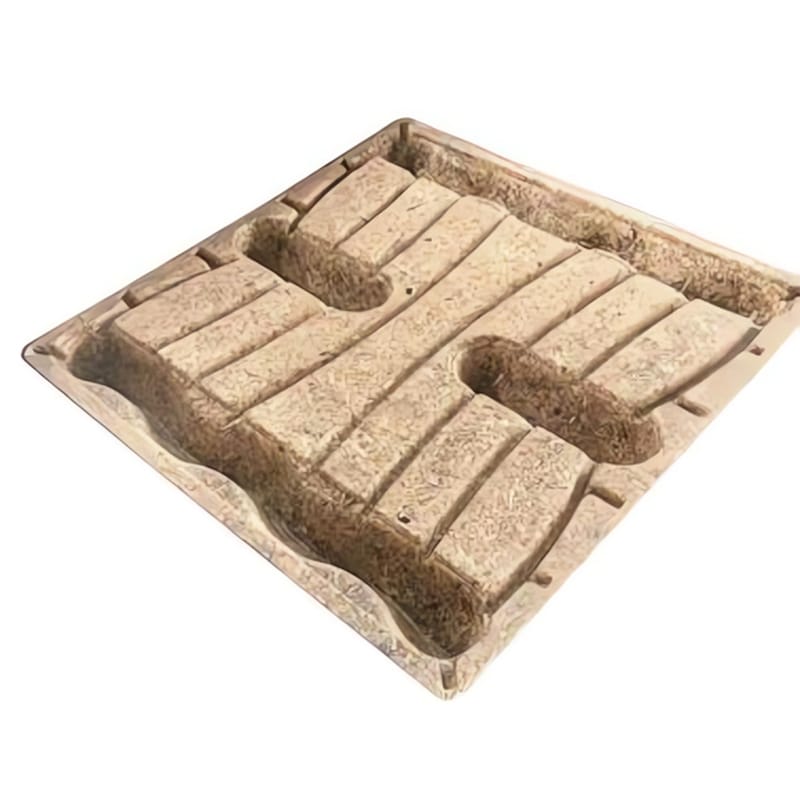
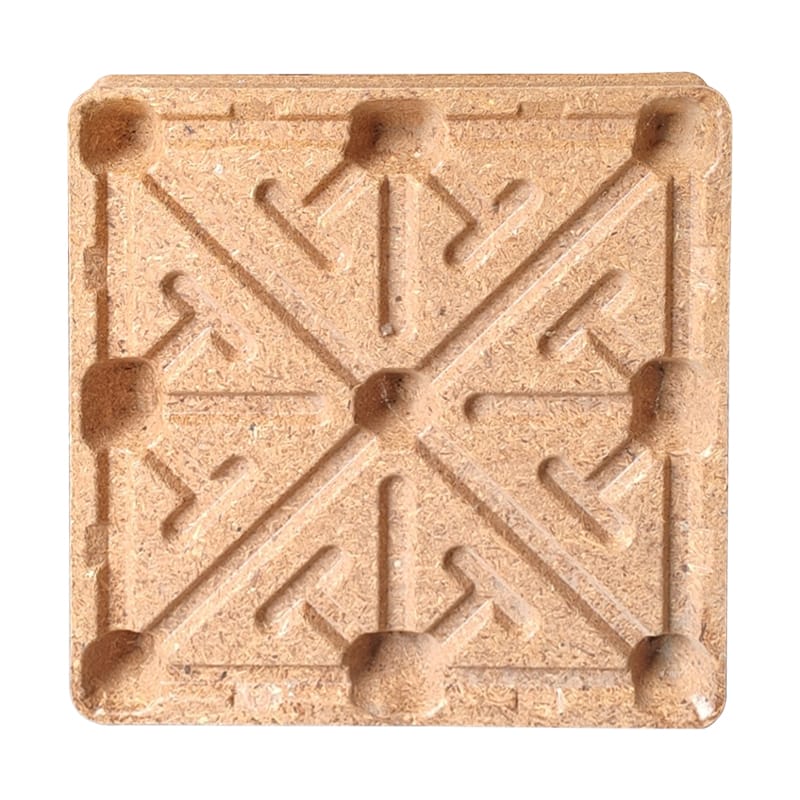
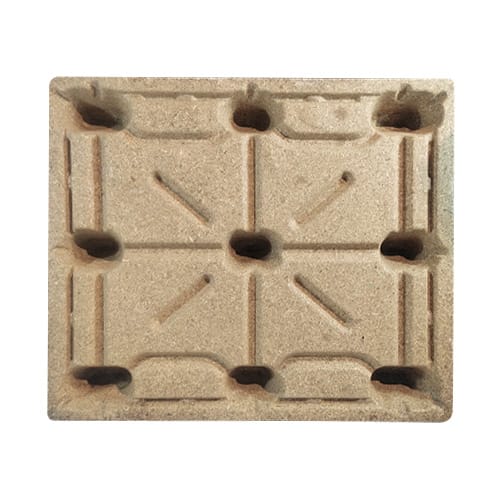
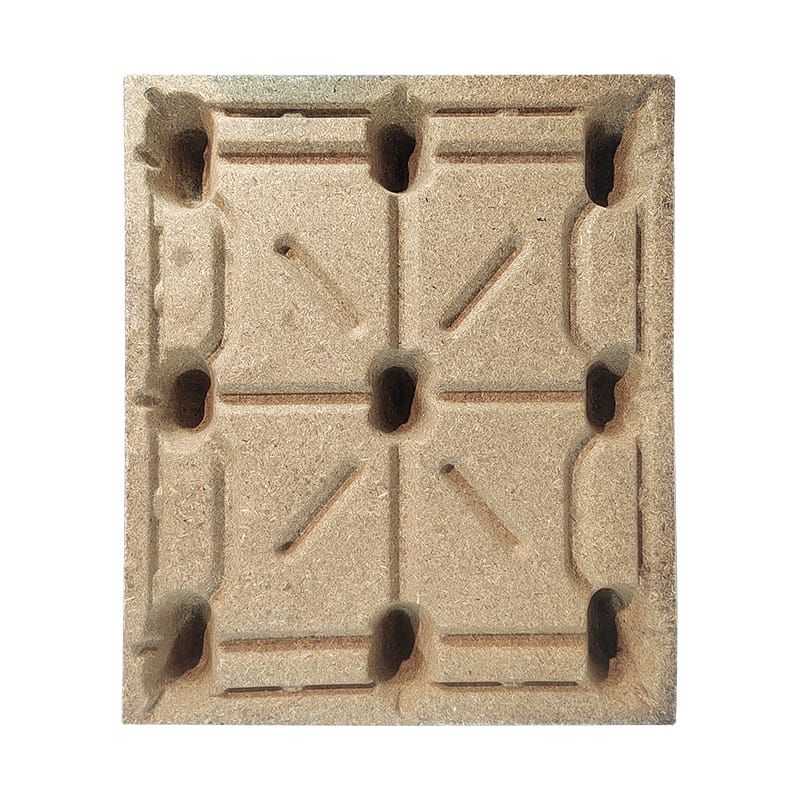
Presswood pallets are manufactured by compressing natural plant fibers under high pressure and temperature. Instead of being assembled from multiple wooden boards and nails, they are formed through a controlled molding process, which results in consistent structure and predictable performance.
For you, the key difference is not just how they are made but how they behave in real logistics environments:
- No loose boards
- No exposed nails
- Uniform density across the pallet
- Consistent dimensions from batch to batch
Why Presswood Pallets Are Gaining Popularity Worldwide
The growing adoption of presswood pallets is driven by practical business reasons rather than trends.
1. Export-Ready Without Fumigation
If you export goods internationally, you are already familiar with ISPM 15 requirements. Traditional solid wood pallets often require fumigation or heat treatment, adding cost and potential delays.
Presswood pallets are manufactured from processed plant fibers and can be exported directly without fumigation, which significantly simplifies customs clearance. You can verify this exemption under ISPM 15 guidelines.
For companies shipping frequently, this alone can save weeks of cumulative lead time each year.
2. Storage and Transportation Efficiency
Presswood pallets are designed with precise molds, allowing them to be stacked tightly when empty. In practical warehouse terms, this can reduce empty pallet storage space by up to 60%.
This aligns closely with modern warehouse space optimization strategies, where vertical space and footprint efficiency are critical cost factors.
3. Lower Total Cost Over Time
While unit price is important, experienced buyers evaluate pallets based on total cost of ownership:
- Purchase cost
- Storage cost
- Handling efficiency
- Damage and replacement rates
In most use cases, presswood pallets deliver 30–50% lower total cost compared to traditional solid wood pallets over their lifecycle.
Understanding Modular and Double-Layer Presswood Pallet Designs
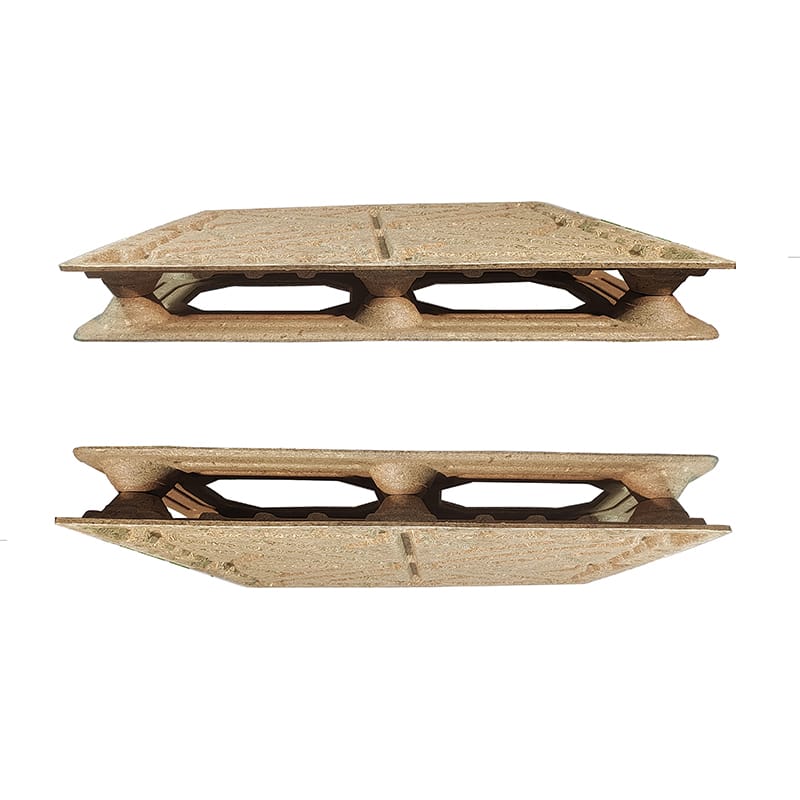
Not all presswood pallets are single-piece designs. In many logistics environments, a double-layer square grid presswood pallet provides better flexibility and strength.
How a Modular Presswood Pallet Works
In this design:
- The deck panel and support legs are molded separately
- Components are assembled using a bottom interlocking system
- Screws reinforce the structure, creating a highly integrated pallet
- The pallet can be disassembled into two compact parts for transport
This modular structure is particularly valuable when you want to reduce shipping costs for empty pallets or store pallets in limited space.
Customization: Why Standard Pallets Often Fail You
Every supply chain is different. Standard pallet sizes and structures often force you to compromise—either wasting space or risking load instability.
What You Can Customize with Presswood Pallets
You can tailor presswood pallets to your operation by adjusting:
- Overall dimensions
- Deck grid density
- Load-bearing capacity
- Rack compatibility
- Stack height
Customization helps you improve container utilization, which is one of the most effective ways to reduce freight costs.
Typical Specifications of a Custom Presswood Pallet
Below is an example of how a custom double-layer presswood pallet may be configured:
| Feature | Specification |
|---|---|
| Pallet Type | Double-layer square grid |
| Structure | Modular, interlocking assembly |
| Material | Natural plant fiber |
| Manufacturing | One-time hot compression molding |
| Export Compliance | No fumigation required |
| Moisture Resistance | High |
| Mold & Insect Resistance | Yes |
| Storage Efficiency | Stackable, space-saving |
| Cost Efficiency | 30–50% lower total cost |
This structure is especially suitable for stacking systems and racking applications, where stability and consistency are essential.
Real Case Example: Reducing Export Costs with Presswood Pallets

Consider a consumer goods exporter shipping products to multiple overseas markets.
Challenges They Faced
- High fumigation fees
- Limited warehouse space
- Frequent pallet damage during stacking
- Inefficient return pallet logistics
The Solution
They transitioned to custom presswood pallets with a modular, double-layer design.
Results After 12 Months
- Export clearance became faster and more predictable
- Empty pallet storage space was reduced by over 50%
- Transportation cost for empty pallets dropped significantly
- Overall pallet-related expenses decreased by approximately 40%
These results align with broader trends highlighted in global pallet market analysis.
Environmental Value You Can Communicate to Your Customers
Sustainability is no longer just a corporate slogan. Many buyers actively evaluate the environmental impact of packaging materials.
Presswood pallets offer several advantages:
- Made from renewable plant fibers
- Fully recyclable at end of life
- No chemical fumigation required
- Lower waste generation compared to traditional pallets
Presswood Pallets vs Traditional Wooden Pallets
| Criteria | Presswood Pallets | Traditional Wooden Pallets |
|---|---|---|
| Structure | Molded / Modular | Nailed assembly |
| Export Readiness | Immediate | Often requires fumigation |
| Storage Efficiency | High (stackable) | Low |
| Moisture Resistance | Strong | Limited |
| Cost Over Lifecycle | Lower | Higher |
| Customization | Flexible | Restricted |
Best Practices for Using Presswood Pallets Effectively
To get the most value, you should:
- Match pallet dimensions to your container and racking system
- Select reinforced designs for heavy loads
- Store pallets in dry, ventilated environments
- Standardize pallet specifications across shipments
Conclusion
If your business focuses on export efficiency, cost control, and sustainable logistics, presswood pallets offer a practical and forward-looking solution.
With customization options, export-ready compliance, and significant long-term cost advantages, presswood pallets are not just an alternative — they are a strategic upgrade for modern supply chains.
Your next step should be simple: evaluate where your current pallet system creates cost, delay, or inefficiency, and consider whether a customized presswood pallet can solve those problems more effectively.
FAQ
What materials are presswood pallet made from?
They are made from natural plant fibers compressed under heat and pressure.
Do presswood pallet require fumigation for export?
No. They are export-ready and exempt from fumigation requirements.
Are presswood pallet suitable for racking systems?
Yes, especially double-layer or reinforced designs tailored for rack use.
Can presswood pallet be customized?
Yes. Size, structure, and load capacity can all be customized.
How much space can I save with presswood pallet?
Stackable designs can reduce storage space by up to 60%.