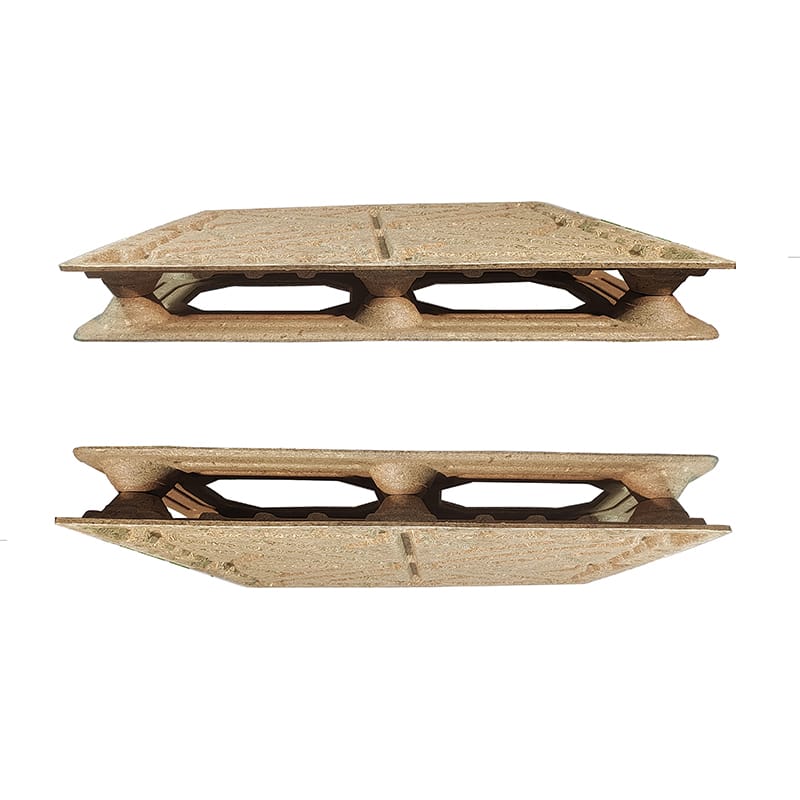

Table of Contents
In the world of modern logistics, choosing the right pallet size is not simply about picking a standard dimension off the shelf. Your decision directly affects storage efficiency, transportation costs, handling safety, and product protection. This guide explains everything you need to know—from standard sizes and industry benchmarks to how customizing pallet dimensions can help you save money and improve operations.
Whether you’re packing goods for domestic distribution or shipping internationally, understanding how pallet size influences your entire supply chain can be a game changer.
Why Pallet Size Matters to Your Business
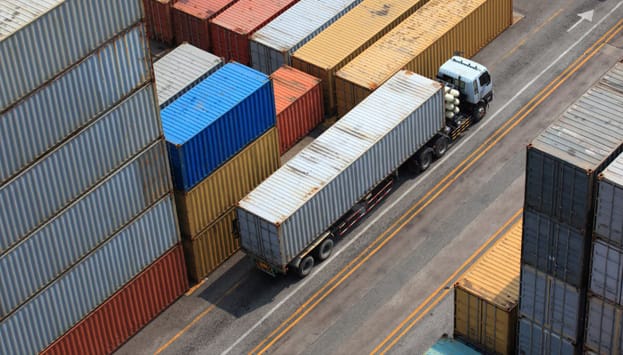
Selecting the wrong pallet size can be more costly than you think. When pallet dimensions don’t align with your cargo or logistics system, you might experience:
- Wasted transportation space and higher freight charges.
- Warehouse inefficiencies due to misfitting racking.
- Increased product damage from overhang or unstable loads.
- Slower handling times and higher labor costs.
In short, pallet size affects cost, safety, and performance throughout your supply chain.
Standard Pallet Dimensions Explained
Globally, several standard pallet sizes are commonly used. These help logistics systems run smoothly if your product fits them well. But note: “standard” does not always mean “optimal” for your specific needs.
1. North American Standard Pallets
| Size (inches) | Size (mm) | Typical Uses |
|---|---|---|
| 48 x 40 | 1219 x 1016 | Grocery, retail, consumer goods |
| 42 x 42 | 1067 x 1067 | Telecommunications & paint products |
| 48 x 48 | 1219 x 1219 | Beverage drums, bulk materials |
| 48 x 42 | 1219 x 1067 | Chemical and beverage industries |
| 40 x 48 | 1016 x 1219 | Cement, military, building materials |
North American pallet standards, like the widely used 48×40 footprint, dominate logistics across the U.S. and Canada due to compatibility with trucks, trailers, and storage systems. Learn more about North American pallet standards.
2. Global Pallet Sizes (ISO & Regional Standards)
| Region | Size (mm) | Common Application |
|---|---|---|
| Europe | 1200 x 800 | General supply chain logistics |
| Europe (Large) | 1200 x 1000 | Heavy or oversized cargo |
| Australia | 1165 x 1165 | Local rail & warehouse |
| Japan | 1100 x 1100 | Domestic freight |
European and ISO standards serve international shipping chains and often maximize container space. Read more about global pallet sizes.
How to Choose the Right Pallet Size for Your Product
When choosing a pallet size, consider the full journey your goods will take—not just the warehouse floor.
1. Match Your Product Dimensions
Measure your product including packaging. Your pallet should ideally match the footprint of your load to:
- Reduce wasted deck space.
- Stabilize loads to prevent shifting.
- Maximize container and trailer utilization. Use the custom pallet specification guide for reference.
Here’s an example of size fitting:
| Product Dimensions (inches) | Best Pallet Fit |
|---|---|
| 40 x 38 x 48 (Product A) | 48 x 40 |
| 45 x 30 x 60 (Product B) | Custom 48 x 32 |
| 1200 x 1000 mm (Product C) | Euro Standard |
2. Consider Storage & Automation Systems
Does your warehouse use rack storage or automated retrieval systems (AS/RS)? Some high-density systems require precise sizing—even small mismatches lead to jams or inefficiency.
3. Plan for Transportation Compatibility
Containers and trucks aren’t infinitely configurable. A pallet that is marginally too large could slow down loading or cost you space in a 20-foot container, directly increasing freight costs. Improve container utilization by using a freight calculator.
Why Standard Isn’t Enough: The Case for Custom Pallet Sizes
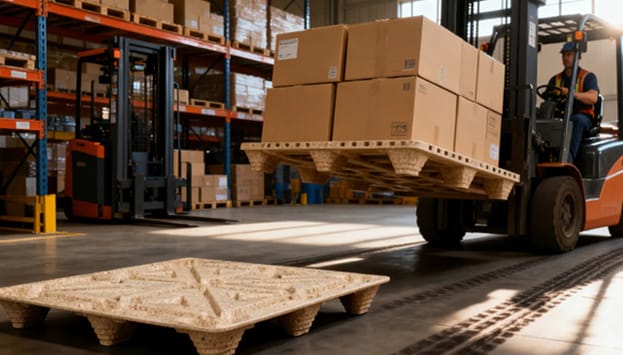
Standard pallet sizes work well for uniform goods, but when your product has unique shapes, weights, or handling requirements, custom pallets may outperform off-the-shelf options.
Actual Business Case: Industrial Machinery Export
A machinery manufacturer found that using standard 48×40 pallets caused frequent overhang and damage during overseas transport. After switching to custom 52×48 pallets sized to the machine base with reinforced support beams:
- Product damage reduced by 75%
- Less packaging material required
- Air freight cube utilization improved by 12%
Custom pallet design often pays for itself quickly when you factor in damage avoidance, reduced repacking, and freight cost savings.
Common Customization Scenarios and Solutions
Scenario 1: Fields with Long or Irregular Loads
Products longer than standard pallets (like pipes, lumber, or machinery parts) are poor fits for 48×40 bases and can cause:
- Load instability
- Higher freight rates due to inefficiencies
Solution: Custom long pallets with reinforced edges ensure safe lifting and loading.
Scenario 2: High-Value or Fragile Items
For delicate electronics or glassware, standard sizes might lack adequate support. Solution: Custom pallets with integrated cushioning and bracing improve safety.
Scenario 3: Automation and High-Density Warehouses
Automated systems require consistent, exact pallet dimensions. Slight size variances can lead to jams or handling errors. Learn more about custom pallets in automation.
Materials & How They Relate to Size Performance
| Material | Typical Use Case | Benefits |
|---|---|---|
| Wood | Bulk goods, general freight | Cost-effective, easy to replace |
| Plastic | Food & pharma distribution | Resistant to moisture, easy to clean |
| Metal | Heavy industrial | High strength, long life |
| Molded Composite | Custom sizes | Light weight, precise specification |
For example, plastic pallets with custom size molding often perform best where sanitation and dynamic loading matter.
Pallet Size Optimization Tips
Follow these steps to make sure your pallet size is working for you—not against you.
- Start with Accurate Measurements: Always measure product footprint, packaging dimension, stack orientation, and weight distribution.
- Test Fit Before Full Production: Order prototypes or mockup pallets.
- Collaborate with Your Pallet Supplier: Share your product specs early to avoid redesign delays.
- Consider Total Logistics Costs: Include shipping, handling, damage rates, and storage footprint.
Conclusion
Choosing the right pallet size isn’t guesswork—it’s a strategic decision that affects every touchpoint in your supply chain. Whether you select a globally recognized standard or leverage a custom design, ensure it fits your product footprint, transportation networks, and warehousing systems.
Optimize your pallet size intelligently, and you’ll unlock real savings, reduce waste, and deliver superior performance across the entire logistics process.
FAQ
What are the most common pallet sizes used globally?
Generally, sizes like 48×40 inches in North America and 1200×800 mm in Europe are most common. Other regional sizes like 1100×1100 mm exist in Asia. Learn more about global pallet sizes.
Is a custom pallet worth it?
If you frequently handle oddly shaped, high-value, or heavy goods, custom pallets can reduce damage, optimize space, and improve logistics efficiency.
How does pallet size affect container loading?
The right pallet size maximizes container utilization. A mismatched pallet can create unused space, raising your freight costs. Use a freight calculator to simulate fits.
Does pallet size influence handling equipment selection?
Yes—your forklifts, stackers, and conveyors all require pallets to match specific size and access patterns for efficient handling.
Are industry standards necessary if I use custom sizes?
Standards ease compatibility, but if your operation relies on automation or custom racks, custom sizes may perform better—as long as they still meet handling equipment specs.