جدول المحتويات
مقدمة
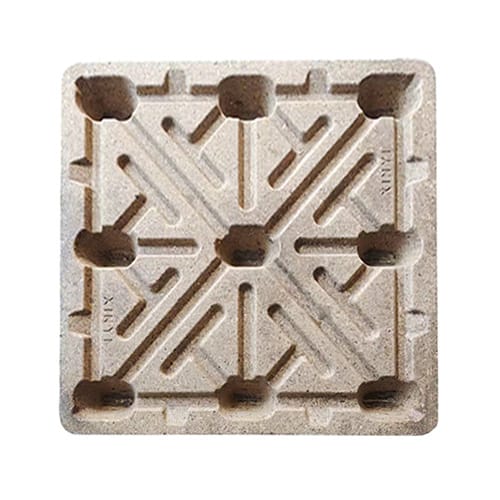
يعد اختيار منصة نقالة لأحمال التصدير الثقيلة أكثر تعقيدًا من اختيار منصة ذات عدد كبير من سعة التحميل.
تصبح البليت جزءًا من نظام تحميل الوحدة الكامل. يجب أن تدعم الحمولة أثناء التخزين، وتظل مستقرة أثناء رفعها بواسطة رافعة شوكية، وتتحمل المناولة المتكررة، وتعمل مع معدات المستودعات، وتحافظ على هيكلها طوال فترة النقل.
إحدى الطرق المفيدة للتفكير في اختيار منصة التحميل هي اتباع مسار التحميل
البضائع → سطح البليت → هيكل البليت → معدات المناولة → دعم التخزين → النقل
إذا تم التغاضي عن جزء واحد من مسار التحميل هذا، فإن منصة التحميل التي تبدو قوية بما يكفي على الورق قد تؤدي أداءً مختلفًا تمامًا في الاستخدام الفعلي.
الأساسية منصة نقالة المفهوم بسيط: فهو يخلق منصة مستقرة لتخزين البضائع ومناولتها ونقلها. ومع ذلك، تتطلب تطبيقات التصدير للخدمة الشاقة نظرة فاحصة على توزيع الأحمال، والتصميم الهيكلي، والمواد، والأبعاد، وظروف الدعم، وطرق المناولة.
قبل اختيار البليت، يجب أن تكون قادرًا على الإجابة على عدة أسئلة
- ما هو الحد الأقصى لوزن حمولة الوحدة الكاملة؟
- هل الوزن موزع بالتساوي؟
- أين يتصل المنتج بالمنصة؟
- هل ستتعامل الرافعات الشوكية مع الحمولة بشكل متكرر؟
- هل سيتم تكديس البليت؟
- هل سيتم تخزينها على الأرض أم في أرفف البليت؟
- هل ستسافر عبر الناقلات أو الأنظمة الآلية؟
- ما هي الظروف البيئية التي ستواجهها؟
توفر هذه الأسئلة أساسًا أقوى بكثير لاختيار منصة التحميل من مجرد طلب أعلى تصنيف تحميل ممكن.
ابدأ بالحمل الفعلي، وليس الوزن فقط
الخطوة الأولى في اختيار البليت هي فهم ما ستحمله البليت بالفعل.
الوزن الإجمالي مهم، لكن الوزن وحده لا يصف القوى المؤثرة على البليت.
إجمالي تحميل الوحدة
احسب حمل الوحدة الكامل بدلاً من وزن المنتج فقط.
اعتمادا على التطبيق، يمكن أن يشمل المجموع ما يلي
- المنتجات الأولية
- كرتون أو حاويات
- التعبئة والتغليف الواقية
- الأشرطة
- مواد التغليف
- طبقات متوسطة
- مكونات أخرى لتأمين الحمل
يجب أن يدعم هيكل البليت الوحدة الكاملة بأمان طوال عملية المناولة والتخزين.
توزيع الأحمال
يمكن لحملين لهما وزن إجمالي متطابق أن يخلقا ضغوطًا مختلفة تمامًا.
تخيل منصة نقالة واحدة تحمل علب كرتون موزعة بالتساوي على كامل السطح. وتحمل منصة نقالة أخرى مكونًا صناعيًا كثيفًا مدعومًا بأربعة أقدام ضيقة.
على الرغم من أن الحمل الإجمالي قد يكون متساويًا، إلا أن البليت الثاني يتعرض لضغط موضعي أعلى بكثير.
ولهذا السبب يجب دائمًا مناقشة توزيع الأحمال مع الشركة المصنعة للمنصة.
الأحمال المركزة
التحميل المركز مهم بشكل خاص لـ:
- آلات
- طبول
- الدبابات
- أكياس السائبة
- مكونات صناعية كثيفة
- مواد الصفائح
- التعبئة والتغليف غير المنتظمة
في هذه التطبيقات، قد تحتاج مناطق معينة من البليت إلى دعم هيكلي أقوى.
مركز الجاذبية
يمكن أن يؤدي حمل الوحدة الطويل أو غير المتساوي أيضًا إلى حدوث مشكلات في الاستقرار.
يصبح مركز الثقل ذا أهمية متزايدة عندما تكون البليت:
- مرفوع
- تسارع
- تحولت
- توقف
- مائل
- تحركت عبر الأسطح غير المستوية
لم تعد المشكلة مجرد تحميل عمودي. تبدأ القوى الديناميكية في العمل على النظام بأكمله.
فهم الأنواع الثلاثة لسعة تحميل البليت
أحد أهم المفاهيم في اختيار المنصات الثقيلة هو أن سعة الحمولة ليست رقمًا عالميًا واحدًا.
تتصرف البليت بشكل مختلف اعتمادًا على كيفية دعمها.
سعة التحميل الثابتة
تصف سعة الحمولة الثابتة البليت أثناء ثباته على سطح مستقر نسبيًا.
عندما توضع منصة التحميل مباشرة على أرضية المستودع، يمكن أن يتلقى جزء كبير من هيكلها السفلي دعمًا مستمرًا.
يؤدي هذا عادةً إلى إنشاء حالة تحميل أكثر ملاءمة.
سعة التحميل الديناميكية
تصبح السعة الديناميكية مهمة أثناء نقل البليت المحمل.
عندما تدعم شفرات الرافعة الشوكية منصة التحميل، فإن مناطق محددة فقط هي التي تحمل الحمولة. تقدم الحركة أيضًا:
- الانحناء
- اهتزاز
- تسارع
- تأثير
- تحويل القوى
- دورات الرفع المتكررة
وبالتالي فإن منصة التحميل المناسبة للتخزين الأرضي الثابت قد تتطلب قدرة هيكلية إضافية للتعامل المتكرر مع المواد.
سعة تحميل الأرفف
الأرفف يخلق حالة هيكلية أخرى.
بدلاً من تلقي الدعم المستمر من الأرضية، قد تقوم البليت بالربط بين عوارض الحامل أو نقاط الدعم المحدودة الأخرى.
يمكن أن تشهد المنطقة المركزية غير المدعومة انحناءًا كبيرًا.
لهذا السبب، لا تفترض أبدًا:
السعة الثابتة = السعة الديناميكية = سعة الأرفف
أنها تمثل ظروف التشغيل المختلفة.
اطلب شروط التحميل، وليس أرقام التحميل فقط
عند مناقشة السعة مع مورد منصة نقالة، اسأل:
- ما هي سعة التحميل الثابتة؟
- ما هي سعة التحميل الديناميكية؟
- هل البليت مخصص لتخزين الرف؟
- ما هو توزيع الحمل المفترض؟
- ما هو تكوين الدعم الذي تم استخدامه؟
- هل الأحمال المركزة مقبولة؟
الإجابات أكثر قيمة بكثير من رقم واحد للحمل الأقصى.
اختر مادة البليت المناسبة لأحمال التصدير
يؤثر اختيار المواد على قوة البليت، وثبات الأبعاد، وسلوك الرطوبة، والوزن، والنظافة، واتساق التصنيع، والتعامل مع الصادرات.
لا توجد مادة عالمية تكون الأفضل تلقائيًا لكل تطبيق.
المادة الصحيحة هي التي تعمل مع ظروف الشحن والخدمات اللوجستية الخاصة بك.
المنصات الخشبية التقليدية
تُستخدم المنصات الخشبية التقليدية على نطاق واسع لأن هياكلها وأبعادها يمكن تكييفها مع العديد من أنواع البضائع.
يمكن أن يعتمد الأداء على عدة متغيرات منها:
- سمك اللوحة
- جودة الخشب
- مستوى الرطوبة
- موقف السحابة
- تصميم مشترك
- أبعاد العداء
- اتساق الإنتاج
تصبح هذه العوامل أكثر أهمية مع زيادة متطلبات الحمل.
منصات خشبية مصبوبة ومضغوطة
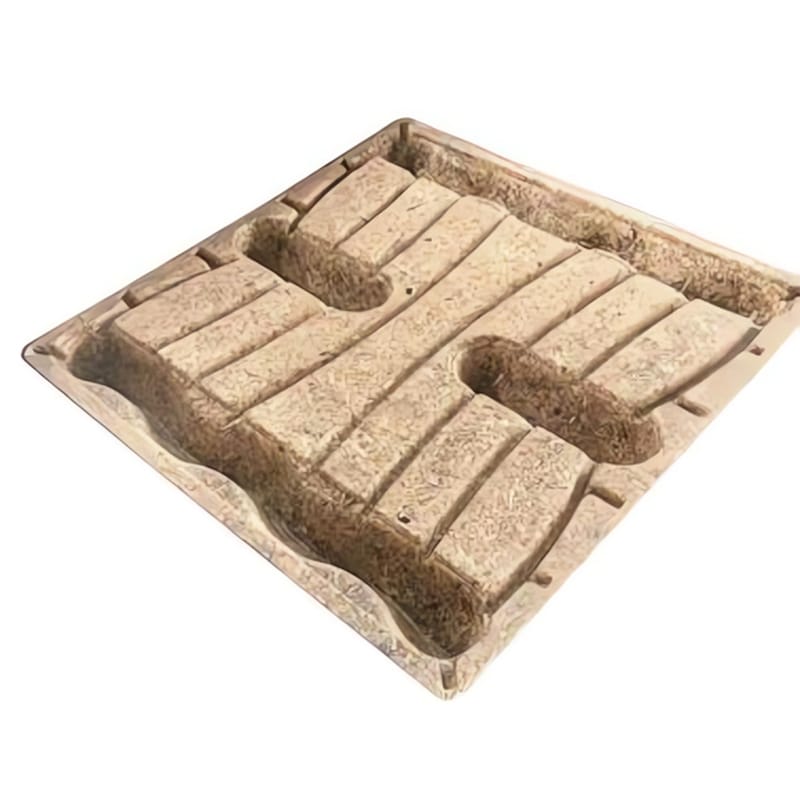
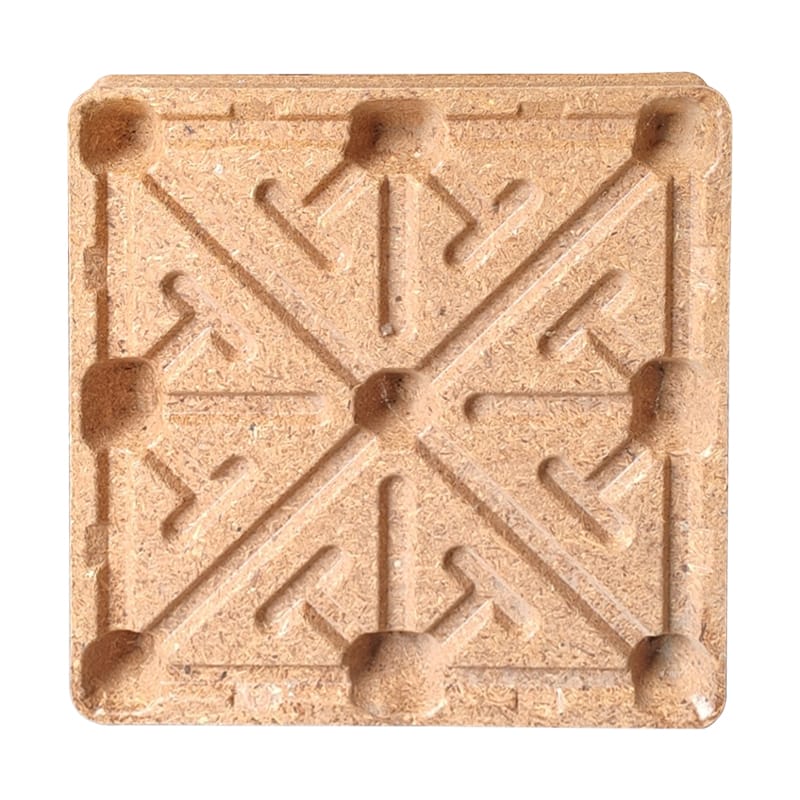
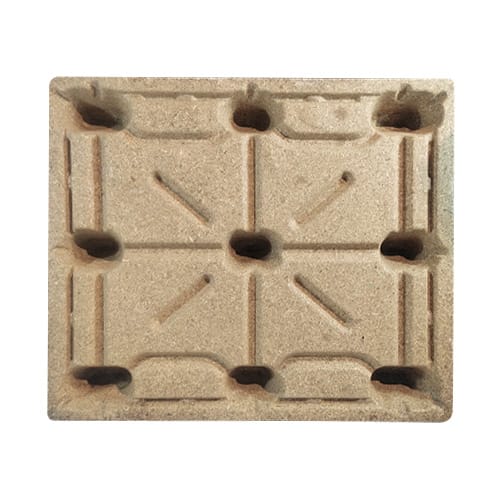
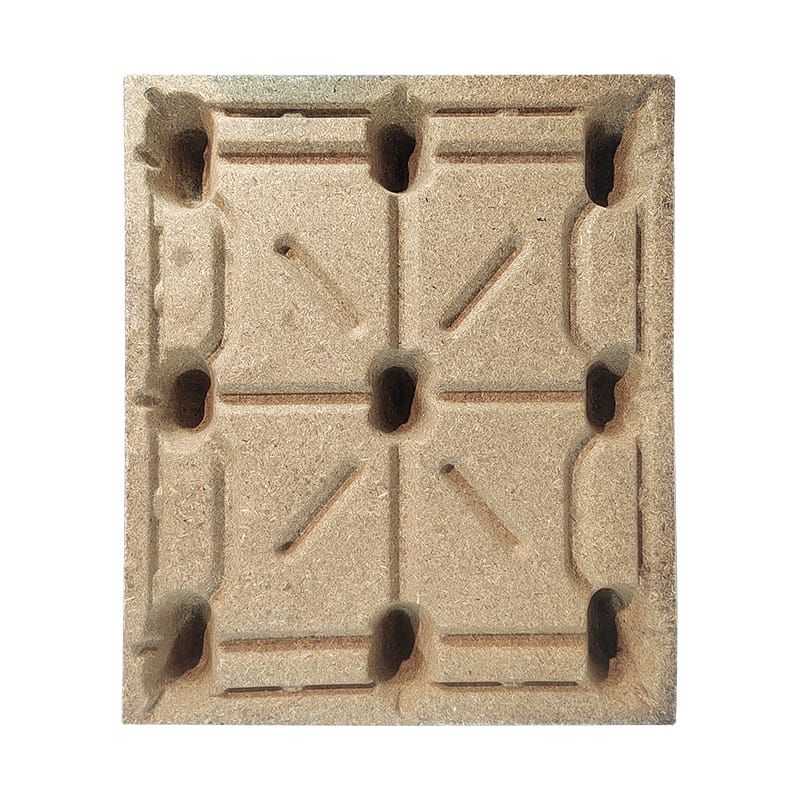
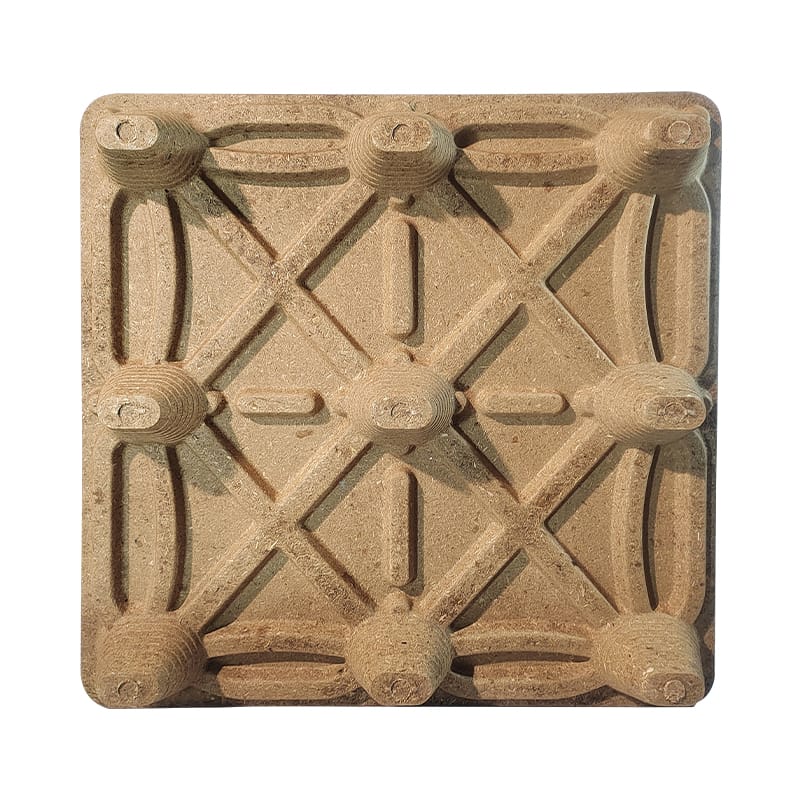
يستخدم البناء الخشبي المقولب مواد نباتية معالجة يتم تشكيلها تحت ضغط ودرجة حرارة يمكن التحكم فيهما.
بدلاً من تجميع الألواح الفردية مع أدوات التثبيت، يمكن للهيكل دمج ميزات مثل:
- أسطح السطح
- دعم الساقين
- تعزيز الأضلاع
- المناطق الحاملة
- مناطق دخول الشوكة
وهذا يخلق فرصًا للتحكم في هندسة البليت بشكل أكثر اتساقًا.
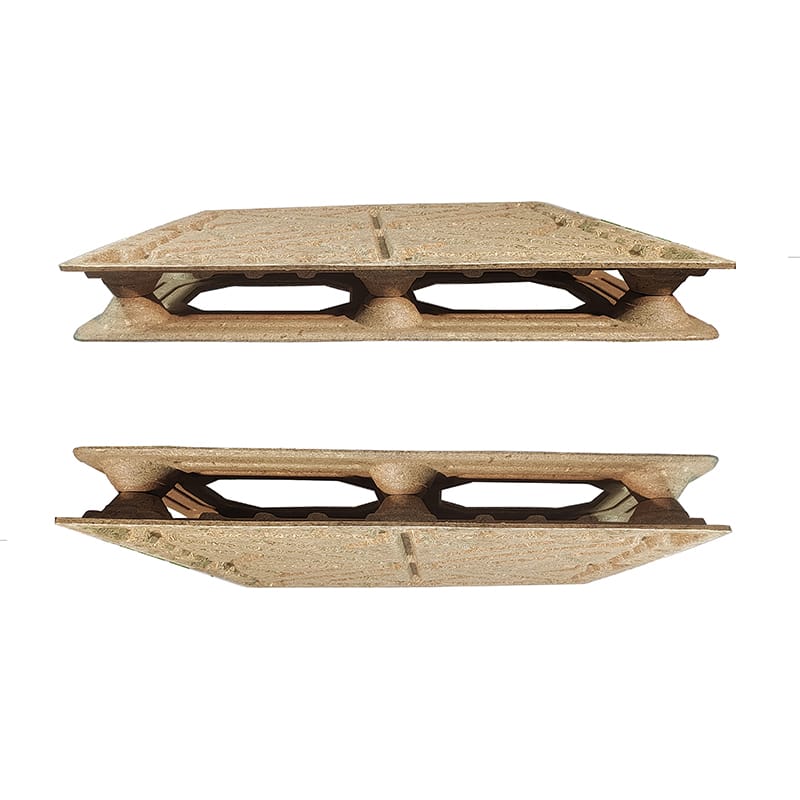
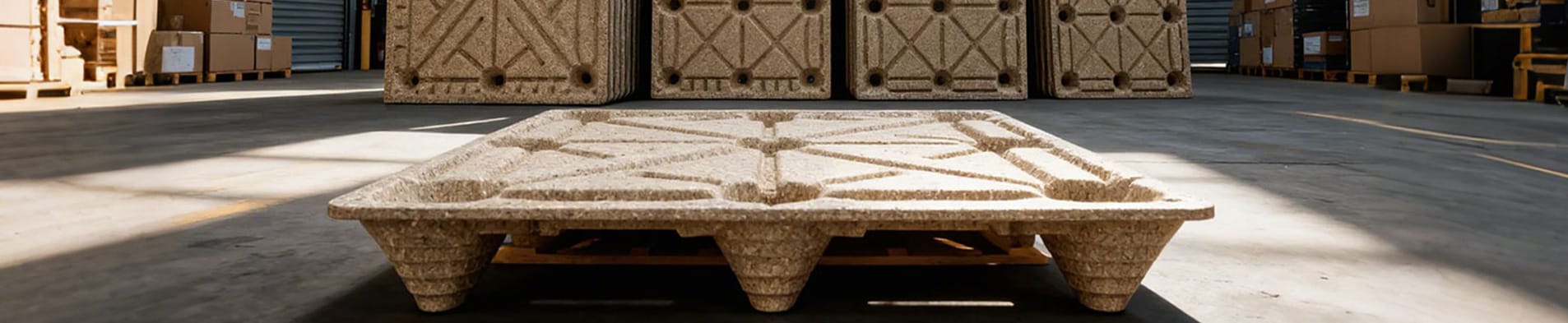
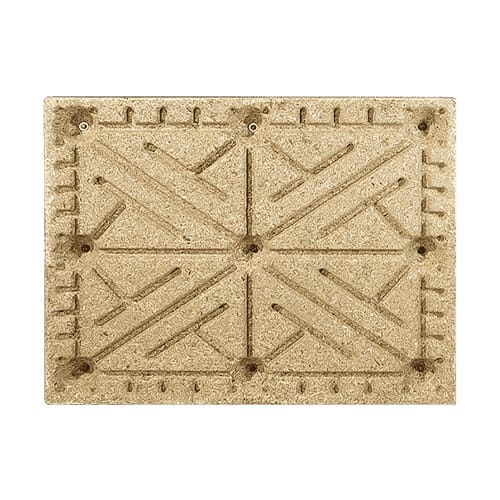
على سبيل المثال، منصة شينيى سلسلة منصات نقالة ذات شبكة مربعة ذات طابقين يستخدم هيكلًا مصبوبًا متكاملاً مصممًا حول المناولة الصناعية ودعم الأحمال.
بالنسبة للتطبيقات الثقيلة، فإن السؤال المهم ليس مجرد ما إذا كانت منصة التحميل مصبوبة أو مجمعة بشكل تقليدي. يجب عليك فحص كيفية نقل الهيكل الكامل للقوى من الحمولة إلى السطح الداعم.
مواد البليت الأخرى
قد تكون مواد البليت الأخرى مناسبة أيضًا اعتمادًا على ظروف التشغيل.
ينبغي أن تأخذ المقارنات المادية في الاعتبار:
- سلوك التحميل
- التعرض البيئي
- اتساق الأبعاد
- تردد التعامل
- طريقة التخزين
- وزن البليت
- متطلبات نظافة المنتج
تجنب اختيار منصة نقالة بناءً على اسم المادة فقط.
الهيكل مهم بنفس القدر.
تقييم هيكل البليت وتصميم سطح السفينة
البليت هو هيكل هندسي.
يؤثر سطحها وأضلاعها وعدائيها وأقدامها وشبكاتها وزواياها ودعاماتها السفلية على كيفية انتقال القوى عبر الوحدة.
منصة نقالة ذات طابق واحد مقابل منصة نقالة ذات طابقين
قد يوفر التصميم ذو الطابق الواحد مزايا عندما يكون تقليل استخدام المواد أو التداخل أو تخزين البليت الفارغ أمرًا مهمًا.
يمكن أن توفر منصة التحميل ذات الطابقين دعمًا أقل وقد تكون مناسبة عند الحاجة إلى قدر أكبر من الاستقرار أو نقل حمل أكثر تعقيدًا.
لا يتفوق أي من التصميمين تلقائيًا.
يجب أن يعتمد قرارك على:
- نوع البضائع
- معدات المناولة
- طريقة التخزين
- شروط التراص
- الصلابة الهيكلية المطلوبة
الأضلاع الهيكلية ومسارات التحميل
الغرض من التعزيز ليس مجرد جعل البليت يبدو أقوى.
التصميم الهيكلي الجيد يوزع التوتر.
عندما تصل الحمولة إلى سطح البليت، تحتاج القوى إلى الانتقال عبر الأضلاع أو المجاري أو الأرجل أو الدعامات الأخرى قبل الوصول إلى الأرض أو شفرات الرافعة الشوكية أو عوارض الرف.
يمكن للهندسة السيئة أن تخلق نقاط ضغط معزولة.
تعمل الهندسة الفعالة على توزيع تلك الضغوط عبر جزء أكبر من الهيكل.
مسائل منطقة الاتصال
انتبه إلى المكان الذي تلامس فيه الحمولة البليت.
تخلق طبقة الكرتون التي تغطي معظم السطح حالة تحميل مختلفة تمامًا عن الآلة المدعومة بأربع نقاط تثبيت صغيرة.
بالنسبة للأحمال المركزة، قد يكون تعزيز مناطق معينة أكثر فعالية من زيادة المواد في جميع أنحاء البليت بأكمله.
وهذا هو أحد الأسباب التي تجعل معلومات التحميل التفصيلية ذات قيمة كبيرة أثناء اختيار منصة التحميل المخصصة.
قم بمطابقة البليت مع الرافعة الشوكية ومعدات المناولة
لا يمكن تقييم البليت بشكل مستقل عن المعدات التي تحركه.
التوافق مع الرافعة الشوكية له تأثير مباشر على كل من السلامة والمتانة.
الدخول في اتجاهين مقابل الدخول في أربعة اتجاهات
يسمح الدخول في الاتجاهين للشوكات بالاقتراب من اتجاهين متعارضين.
يوفر الدخول رباعي الاتجاهات مرونة أكبر في الوصول، وهو ما يمكن أن يكون مفيدًا في العمليات باستخدام:
- إعادة التموضع بشكل متكرر
- مساحات التعامل الضيقة
- اتجاهات متعددة للرافعة الشوكية
- سير عمل المستودعات المزدحم
ومع ذلك، ينبغي اختيار تكوين الإدخال وفقًا للاحتياجات التشغيلية الفعلية بدلاً من افتراض أنه مستوى الجودة.
تخليص الشوكة
يفحص:
- عرض شفرة الشوكة
- سمك الشوكة
- تباعد الشوكة
- ارتفاع الدخول
- إزالة البليت
يمكن أن يؤدي ضعف هندسة الدخول إلى تأثيرات متكررة بين شفرات الرافعة الشوكية وهياكل المنصات.
يمكن أن تكون منصة التحميل قوية ميكانيكيًا ولكنها تعاني من ضرر سابق لأوانه إذا ضرب المشغل ساقيه أو سطحه بانتظام أثناء الدخول.
توافق الناقل
إذا دخلت البليت إلى نظام الناقل، فإن هناك عوامل إضافية مهمة.
يمكن أن تشمل هذه:
- الهندسة السفلية
- أسطح التلامس
- تسطيح البليت
- تكرار الأبعاد
- تفاعل الاستشعار
- اتجاه النقل
تتطلب الأنظمة الآلية عادةً اتساقًا أكبر للأبعاد مقارنة بعمليات الأرضية والرافعة الشوكية الأساسية.
اختر أبعاد البليت حول البضائع
يمكن لأبعاد البليت القياسية تبسيط الخدمات اللوجستية، ولكن يجب أن تظل بصمة المنتج هي التي توجه عملية الاختيار.
الحجم المألوف ليس دائمًا هو الحجم الأكثر كفاءة.
منع تراكم المنتج
يحدث التراكم عندما يمتد المنتج إلى ما هو أبعد من محيط البليت.
وهذا يمكن أن يعرض الحمولة للصدمات أثناء:
- حركة الرافعة الشوكية
- تخزين المستودعات
- تحميل
- التفريغ
- الاتصال من البليت إلى البليت
قد يقلل أيضًا من استقرار الحمل.
حيثما كان ذلك عمليًا، يجب أن يدعم سطح البليت بصمة المنتج بشكل كافٍ.
تجنب الإفراط في المتدلية
يمكن أن يكون الوضع المعاكس أيضًا غير فعال.
إذا تم وضع منتج صغير نسبيًا على منصة نقالة كبيرة بشكل غير ضروري، فإن مساحة السطح غير المستخدمة تستهلك مساحة في جميع أنحاء السلسلة اللوجستية.
وهذا يؤثر على:
- كثافة المستودعات
- استخدام النقل
- تكوين التحميل
- تخليص التعامل
الأكبر لا يعني الأفضل تلقائيًا.
النظر في البصمة اللوجستية بأكملها
يجب أن تعمل أبعاد البليت مع أكثر من الحمولة.
يمكنهم أيضًا التأثير:
- مواقع التخزين
- أبعاد الرف
- حركة الرافعة الشوكية
- ترتيبات التراص
- تخطيط النقل
- تكوين التعبئة والتغليف
مقارنة أوسع ل أنواع مختلفة من المنصات يمكن أن يساعد في تحديد التنسيق الهيكلي الذي يتوافق بشكل أفضل مع العملية اللوجستية المقصودة قبل اختيار الأبعاد النهائية.
النظر في متطلبات التصدير والمواد
يتطلب اختيار منصات التصدير الثقيلة تقييمًا ميكانيكيًا وعمليًا.
قد تمر البليت عبر مراحل معالجة وبيئات تخزين وعمليات فحص متعددة.
وبالتالي فإن طرق معالجة المواد يمكن أن تكون مهمة إلى جانب الأداء البدني.
لا تتم دائمًا معالجة الخشب الخام والمواد الخشبية الهندسية أو المعالجة بنفس الطريقة تمامًا بموجب متطلبات التعبئة والتغليف المعمول بها.
النهج الأكثر أمانا هو التأكيد:
- مادة البليت
- عملية التصنيع
- توثيق
- استخدام الشحن المقصود
- متطلبات التعبئة والتغليف المعمول بها
تجنب افتراض أن كل منتج يوصف على نطاق واسع بأنه منصة نقالة من خشب “” له خصائص متطابقة.
التوثيق يدعم التكرار
بالنسبة للشحنات الصناعية المتكررة، قد تتضمن وثائق البليت المفيدة ما يلي
- تحديد المواد
- مواصفات الإنتاج
- أبعاد
- التصميم الهيكلي
- تحميل المعلومات
- عملية التصنيع
- سجلات مراقبة الجودة
تصبح الوثائق ذات أهمية متزايدة عندما يتم شراء نفس مواصفات البليت بشكل متكرر.
تقييم ظروف الرطوبة والتخزين
غالبًا ما تتحرك المنصات بين بيئات مختلفة قبل الوصول إلى نقطة التفريغ النهائية.
قد تواجه البليت:
- المستودعات المغلقة
- مناطق التحميل المؤقتة
- رطوبة عالية
- تغيرات درجة الحرارة
- تخزين طويل
- بيئات النقل المغلقة
وينبغي إدراج هذه الشروط في عملية الاختيار الأولية.
استقرار الأبعاد
يمكن أن تؤثر التغيرات في الرطوبة على بعض المواد الخشبية.
بالنسبة للعمليات التي تستخدم الناقلات أو الرفوف أو الأنظمة الآلية، قد يكون اتساق الأبعاد مهمًا بشكل خاص لأن تغييرات الأبعاد الصغيرة يمكن أن تؤثر على التعامل.
مدة التخزين
تواجه منصة التحميل المستخدمة لدوران المنتج السريع ظروفًا مختلفة عن تلك المتوقع أن تظل محملة بكثافة لفترات طويلة.
عند مناقشة المتطلبات مع الشركة المصنعة، حدد ما إذا كانت البليت مخصصة لـ:
- العبور قصير المدى
- تخزين طويل الأمد
- التعامل المتكرر
- تخزين مكدسة
- تخزين الرف
نظافة
قد تتطلب التعبئة الصناعية أيضًا جودة سطح يمكن التنبؤ بها.
التحقق من الشروط التي يمكن أن تتداخل مع المنتجات أو التغليف، مثل:
- مادة فضفاضة
- الأسطح المكسورة
- السحابات المكشوفة
- تلوث
- الزوايا المتضررة
تعتمد اللمسة النهائية المطلوبة على بيئة الشحن والمناولة.
توازن قوة البليت ووزن البليت
يجب أن تكون منصة التحميل الثقيلة قوية، لكن كتلة منصة التحميل غير الضرورية لا تعمل تلقائيًا على تحسين الأداء.
تسعى الهندسة الجيدة إلى الحصول على قوة هيكلية كافية مع توزيع فعال للمواد.
فكر في شروط كفاءة القوة إلى الوزن
بدلا من السؤال:
“ما مدى ثقل البليت؟”
يسأل:
“ما مدى كفاءة هيكل البليت في دعم الحمل المطلوب؟”
يجب أن يتركز التعزيز حيث تنتقل القوى فعليًا.
وهذا يمكن أن يحسن الكفاءة الهيكلية دون مجرد إضافة المواد في كل مكان.
يؤثر وزن البليت على التعامل
تصبح البليت نفسها جزءًا من إجمالي حمولة الوحدة.
تأثيرات الوزن الفارغ الإضافية:
- التعامل مع الرافعة الشوكية
- تحميل الناقل
- تحميل الرف
- تحديد المواقع اليدوية
- الكفاءة اللوجستية الشاملة
بالنسبة للعمليات التي تتعامل مع أعداد كبيرة من المنصات، يتراكم التأثير.
التعشيش يمكن أن يحسن التخزين الفارغ
يمكن لبعض تصميمات المنصات المقولبة أن تتداخل عندما تكون فارغة.
التعشيش يقلل من الحجم المطلوب لـ:
- تخزين البليت فارغة
- حركة المستودعات
- انطلاق البليت
- نقل البليت الفارغة
ومع ذلك، يجب أن يظل التداخل ثانويًا بالنسبة للأداء المحمل.
لا يزال يتعين على منصة التحميل التي يتم تخزينها بكفاءة عندما تكون فارغة أن تعمل بشكل صحيح عند حمل البضائع المطلوبة.
مقارنة اختيار البليت للخدمة الشاقة
| حالة التطبيق | العامل الرئيسي للتحقق | خصائص البليت مفيدة | خطأ التحديد المشترك |
|---|---|---|---|
| البضائع الموزعة الثقيلة | إجمالي الحمولة وتغطية السطح | دعم هيكلي واسع النطاق | النظر فقط إلى القدرة الثابتة |
| حمولة الآلات المركزة | نقاط الاتصال | التعزيز المحلي | تجاهل تحميل النقطة |
| حركة الرافعة الشوكية المتكررة | السلوك الديناميكي | مناطق دخول قوية وتخليص مناسب | استخدام التقييمات الثابتة للاستخدام الديناميكي |
| تخزين الرف | دعم الشعاع وامتداده | هيكل الأرفف المناسب | بافتراض أن جميع المنصات الثقيلة قابلة للرف |
| البضائع مكدسة | نقل الحمولة | الأسطح العلوية والسفلية المستقرة | تجاهل ضغط التراص |
| التعامل مع الناقل | الهندسة السفلية | أبعاد متكررة ومناطق الاتصال | التحقق من توافق الرافعة الشوكية فقط |
| لوجستيات التصدير | المواد والوثائق | عملية تصنيع متسقة | الاختيار فقط حسب حجم البليت |
| تخزين حساس للمساحة | البصمة والتعشيش | أبعاد فعالة | باستخدام المنصات كبيرة الحجم |
يسلط هذا الجدول الضوء على مبدأ مهم:
أفضل منصة نقالة ليست هي التي تحتوي على أكبر رقم في ورقة المواصفات. وهو الذي يتطابق هيكله مع حالة التشغيل الفعلية.
كيفية تقييم الشركة المصنعة للمنصة
بالنسبة لأحمال التصدير المطلوبة، يجب أن يتضمن تقييم موردي المنصات القدرة الفنية.
يجب أن تكون الشركة المصنعة قادرة على مناقشة أكثر من الأبعاد.
هل يمكن للشركة المصنعة فهم حمولتك؟
تقديم معلومات حول:
- وزن البضائع
- أبعاد البضائع
- مناطق الاتصال
- ارتفاع حمولة الوحدة
- مركز الثقل
- طريقة التراص
- التعامل مع الرافعة الشوكية
- شروط التخزين
- تكوين الرف
كلما فهم المورد الحمولة بشكل أكثر دقة، زادت فائدة توصية البليت.
هل يمكن تعديل الهيكل؟
يمكن أن تتضمن هندسة المنصات المخصصة أكثر من مجرد تغيير الطول والعرض.
اعتمادًا على التطبيق، قد تتضمن التعديلات ما يلي
- هندسة السطح
- دعم الساقين
- تعزيز
- العدائين
- هيكل الشبكة
- فتحات الشوكة
- مناطق الاتصال
- عمق التعشيش
يجب أن يحل التخصيص مشكلة لوجستية أو هيكلية بدلاً من أن يكون موجودًا في حد ذاته.
هل التصنيع متسق؟
التكرار مهم عند استخدام المنصات في الأنظمة الصناعية.
قد تشمل الخصائص المهمة ما يلي:
- التسامح الأبعاد
- اتساق وزن البليت
- الهندسة الهيكلية
- حالة السطح
- توزيع المواد
- جودة القالب
يعد الاتساق مهمًا بشكل خاص عندما تتفاعل المنصات مع المعدات الآلية.
قائمة مرجعية عملية لاختيار البليت
قبل تأكيد منصة التصدير الثقيلة، قم بمراجعة الطلب بالكامل.
بضائع
- ما هو الحد الأقصى لوزن وحدة التحميل؟
- هل الوزن موزع بالتساوي؟
- أين نقاط الاتصال الرئيسية؟
- هل مركز الثقل متمركز؟
سعة
- ما هي القدرة الثابتة المطلوبة؟
- ما هي القدرة الديناميكية المطلوبة؟
- هل سيشارك دعم الأرفف؟
- هل تم تحديد شرط الدعم بوضوح؟
هيكل
- هل التصميم ذو الطابق الواحد أو ذو الطابقين أكثر ملاءمة؟
- هل تتماشى مناطق التعزيز مع الحمولة؟
- هل يدعم السطح المنتج بشكل كافٍ؟
- هل الهيكل السفلي متوافق مع ظروف التخزين؟
التعامل
- ما هي الرافعات الشوكية التي سيتم استخدامها؟
- هل الدخول في اتجاهين أو أربعة اتجاهات مطلوب؟
- هل هناك خلوص كاف للشوكة؟
- هل ستتعامل الناقلات أو الأنظمة الآلية مع البليت؟
أبعاد
- هل تتدلى البضائع؟
- هل يتم استخدام منطقة البليت غير الضرورية؟
- هل تعمل البصمة مع المستودع؟
- هل تناسب البليت تكوين النقل المقصود؟
بيئة
- هل ستواجه البليت الرطوبة؟
- كم من الوقت ستبقى محملة؟
- هل سيتم تخزينه في الداخل أم في ظروف شبه مكشوفة؟
- هل استقرار الأبعاد مهم؟
استخدام التصدير
- هل تم تحديد المادة بوضوح؟
- هل تم توثيق عملية التصنيع؟
- هل متطلبات التعبئة والتغليف المطبقة مفهومة؟
- هل يمكن للمورد تقديم مواصفات إنتاج متسقة؟
إذا كان بإمكانك الإجابة على هذه الأسئلة قبل الاختيار النهائي للمنصة، فإن خطر اختيار البنية الخاطئة ينخفض بشكل كبير.
خاتمة
إن اختيار منصة التحميل المناسبة لأحمال التصدير الثقيلة لا يتعلق في المقام الأول بالعثور على منصة التحميل الأقوى مظهرًا أو أكبر رقم لقدرة التحميل.
يتعلق الأمر بمطابقة البليت مع البيئة اللوجستية الكاملة.
ابدأ بالحمولة. فهم وزنها وبصمتها ونقاط الاتصال ومركز الثقل. ثم حدد كيفية رفع البليت ودعمه وتكديسه وتخزينه ونقله وربما تشغيله آليًا.
فقط بعد أن تصبح هذه الشروط واضحة، يجب الانتهاء من المواد وتصميم السطح ونوع الدخول والأبعاد والتعزيز ووزن البليت.
تتعامل عملية الاختيار الأكثر موثوقية مع البليت كجزء هندسي من حمل الوحدة بدلاً من منصة مضافة بعد تعبئة المنتج بالفعل.
يساعدك هذا التغيير في المنظور على اختيار منصة نقالة تدعم البضائع حيثما تكون مهمة، وتتعامل بكفاءة، وتناسب النظام اللوجستي المحيط، وتؤدي بشكل أكثر اتساقًا خلال عمليات التصدير الثقيلة.
الأسئلة الشائعة
ما هي البليت الأفضل لأحمال التصدير الثقيلة؟
تعتمد أفضل منصة نقالة على إجمالي وزن الحمولة، وتوزيع الوزن، وتكرار المناولة، وظروف الدعم، والتكديس، والتخزين. قم بتقييم الأداء الثابت والديناميكي والأرفف بشكل منفصل بدلاً من اختيار منصة نقالة فقط لأنها تتمتع بتصنيف عالي للحمل الأقصى.
كيف أعرف ما هي سعة تحميل البليت التي أحتاجها؟
ابدأ بأقصى حمل كامل للوحدة وحدد كيفية دعم البليت. ينتج عن التخزين الأرضي والتعامل مع الرافعة الشوكية وتخزين الحامل ضغوطًا مختلفة. أضف توزيع الحمل ونقاط الاتصال إلى التقييم قبل التأكد من هيكل البليت المطلوب.
هل منصة نقالة خشبية مصبوبة مناسبة للأحمال الثقيلة؟
يمكن للمنصة الخشبية المقولبة أن تدعم الأحمال المطلوبة عندما يتم تصميم هندسة سطحها وهيكل التسليح وتوزيع المواد وتكوين الدعم للتطبيق. لا يزال يتعين تقييم البليت المحدد وفقًا لظروف الشحن والمناولة الفعلية.
ما الفرق بين سعة البليت الثابتة والديناميكية؟
تنطبق السعة الثابتة عندما تظل البليت مدعومة على سطح مستقر. تنطبق السعة الديناميكية أثناء رفع البليت أو تحريكه، كما هو الحال أثناء التعامل مع الرافعة الشوكية. تخلق الحركة ودعم الشوكة المحدود ظروف انحناء وضغط مختلفة.
كيف يجب أن أختار أبعاد البليت لتصدير البضائع؟
ابدأ ببصمة الحمولة. يجب أن توفر منصة التحميل الدعم الكافي دون تراكم مفرط أو مساحة سطح غير مستخدمة. ثم تحقق من دخول الرافعة الشوكية وتخزين المستودعات والتكديس والرفوف والناقلات وتخطيط النقل قبل التأكد من الأبعاد النهائية.