

Table of Contents
If you are responsible for international shipping, warehouse management, or export logistics, you already know that shipping wood pallets is not just a basic packaging tool. They directly influence freight cost, customs clearance, cargo safety, storage efficiency, and even your customer’s perception of professionalism.
You will learn how shipping wood pallets perform in real-world logistics, where traditional solutions fall short, and how custom-molded, one-piece pallets can help you solve common shipping problems more efficiently.
Why Shipping Wood Pallets Matter More Than You Think
In global logistics, pallets are often treated as a commodity. However, the wrong pallet choice can quietly increase costs at every stage of shipping.
Shipping wood pallets affect:
- Container utilization
- Freight weight and volume
- Handling efficiency at ports and warehouses
- Export compliance
- Product damage rates
According to global logistics efficiency research, packaging and unit load design can account for a significant portion of avoidable shipping costs.
If your pallets are oversized, inconsistent, or noncompliant, those inefficiencies compound across every shipment.
What Are Shipping Wood Pallets Used for Today
Shipping wood pallets are primarily used to:
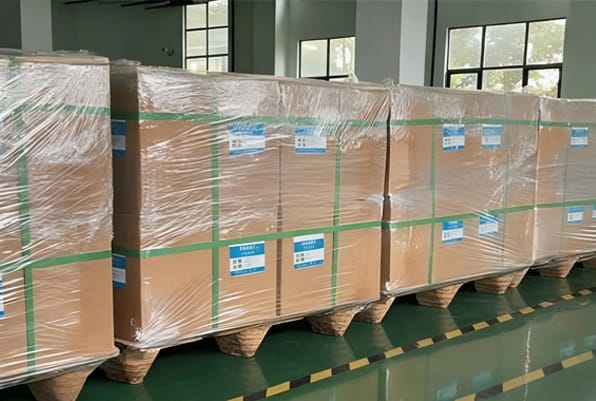
- Unitize goods for forklift and pallet jack handling
- Protect cargo during long-distance transportation
- Enable stacking and racking in warehouses
- Meet export documentation and inspection requirements
However, not all wood pallets are suitable for modern shipping environments. Many exporters still rely on traditional nailed pallets without realizing how much risk and inefficiency they introduce.
Common Problems with Traditional Shipping Wood Pallets
Before discussing better solutions, it is important to understand the limitations you may already be dealing with.
1. Fumigation and Export Delays
Traditional solid wood pallets often require fumigation or heat treatment under ISPM 15. This process adds cost and can delay shipment schedules.
You can review the official ISPM 15 export regulations to understand why untreated pallets are frequently rejected or delayed.
2. Moisture, Mold, and Pest Risks
Solid wood absorbs moisture easily, especially during sea transport. This can lead to mold growth, odor issues, and even cargo contamination.
Research on wood moisture behavior in shipping environments highlights why untreated wood is vulnerable during long transit times.
3. Inconsistent Quality and Load Performance
Traditional pallets are assembled from multiple boards and nails. Quality varies widely between batches, leading to:
- Uneven load distribution
- Broken boards
- Increased damage rates
For you, this inconsistency means higher replacement costs and greater operational risk.
The Shift Toward Modern Shipping Wood Pallets
To address these issues, many exporters are moving toward engineered shipping wood pallets, particularly molded and compressed designs.
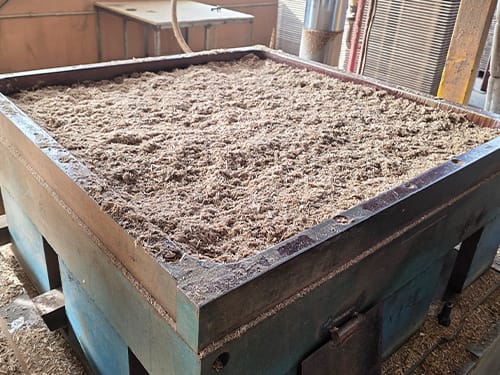
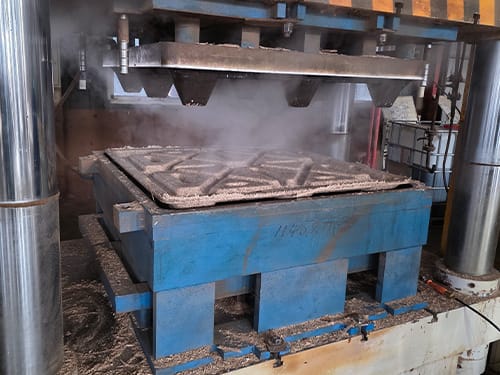
These pallets are not assembled piece by piece. Instead, they are formed using one-time hot compression molding, creating a stable, uniform structure.
How One-Piece Molded Shipping Wood Pallets Work
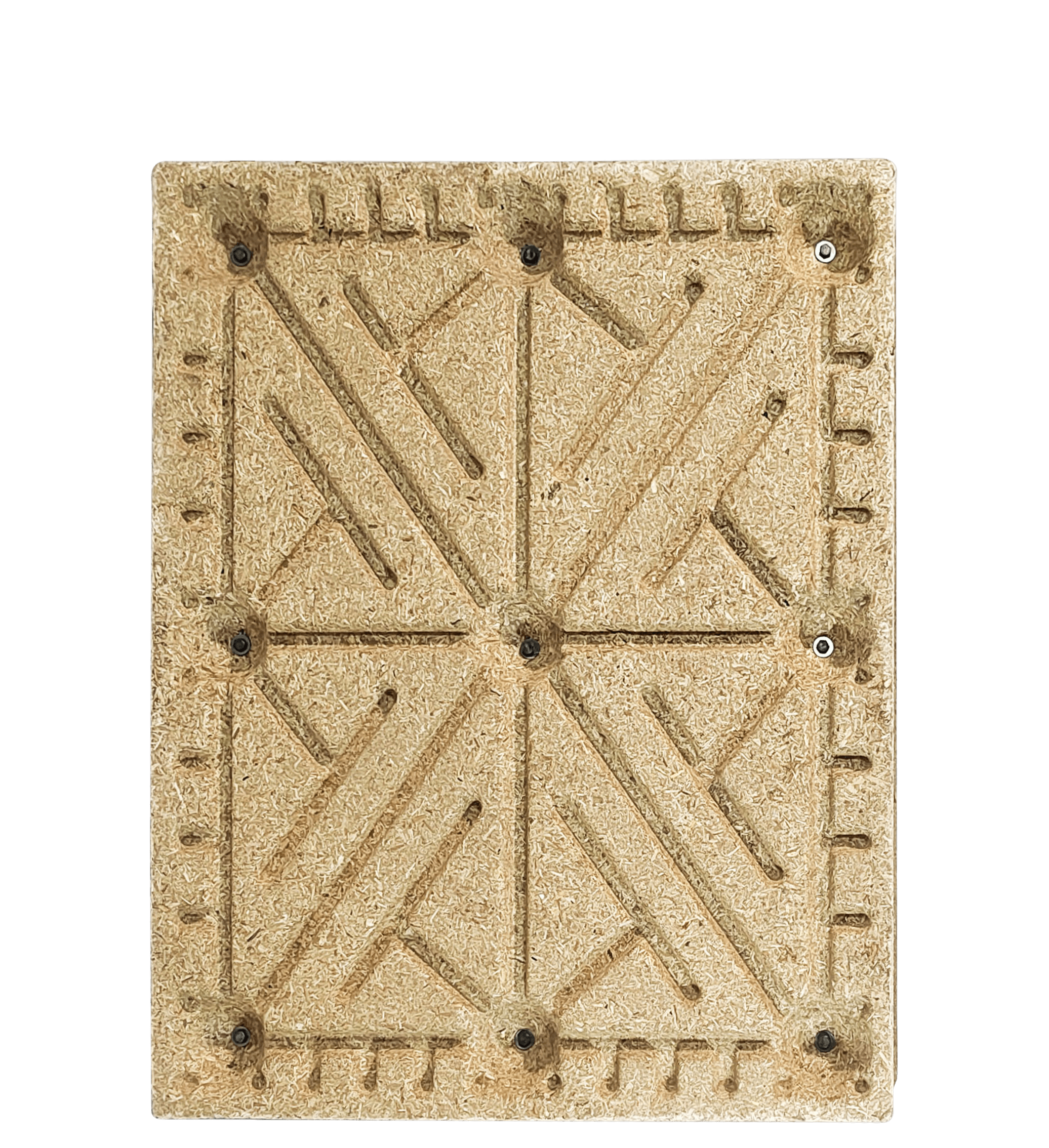
A one-piece molded wood shipping pallet is produced by compressing natural plant fibers under high pressure and temperature.
The result is a pallet that offers:
- Uniform density
- No nails or loose boards
- Predictable load performance
- Consistent dimensions
From your perspective, this means fewer surprises during handling, stacking, and shipping.
Key Advantages of Molded Shipping Wood Pallets for Export
Export-Ready Without Fumigation
Because molded pallets are made from processed plant fibers, they can be exported directly without fumigation. This reduces both cost and administrative burden.
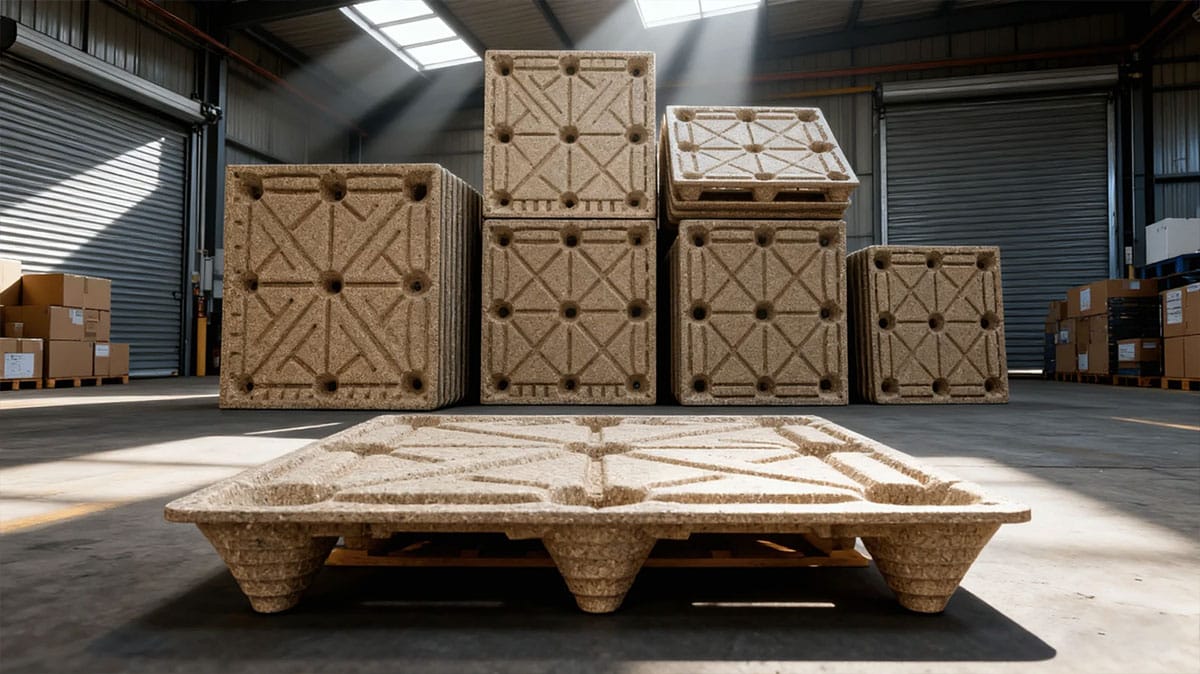
Space-Saving Stackable Design
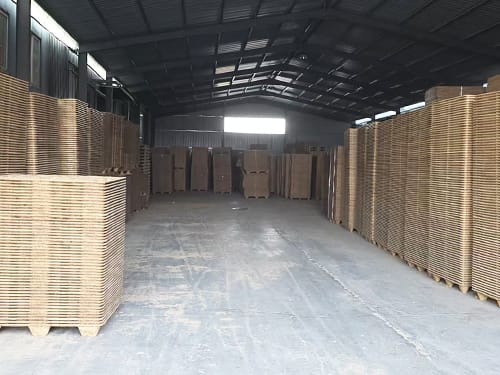
When empty, molded wood shipping pallets can be stacked tightly, reducing storage space by up to 60%.
This is particularly valuable if you operate in high-cost warehouse environments or need to store large quantities of empty pallets.
Lower Total Shipping Cost
Although the unit price of a pallet matters, experienced logistics managers focus on total shipping cost, including:
- Storage
- Handling
- Compliance
- Damage reduction
In most cases, molded shipping wood pallets deliver 30–50% lower total cost than traditional solid wood pallets over time.
Customization: Why Standard Shipping Pallets Often Fail
No two supply chains are exactly the same. Cargo size, weight, container layout, and warehouse systems vary widely.
What You Can Customize in Shipping Wood Pallets
With molded pallet solutions, you can customize:
- Pallet dimensions
- Deck thickness
- Load capacity
- Fork entry design
- Stack height
Customization improves container loading efficiency, which directly reduces freight costs.
Practical Example: Optimizing Shipping with Custom Wood Pallets
Consider an exporter shipping consumer goods overseas.
Initial Situation
- Used standard solid wood pallets
- Frequent fumigation delays
- High warehouse storage cost
- Occasional cargo damage
Solution Implemented
They switched to custom-sized, one-piece molded wood shipping pallets tailored to their container dimensions.
Results After One Year
- Export clearance became faster
- Storage space for empty pallets dropped by over 50%
- Cargo damage complaints decreased
- Total pallet-related cost fell by approximately 35%
These results reflect patterns observed in global pallet market analysis.
Typical Specifications of a Molded Shipping Wood Pallet
| Feature | Description |
|---|---|
| Structure | One-piece molded |
| Material | Natural plant fiber |
| Manufacturing | One-time hot compression |
| Export Compliance | No fumigation required |
| Moisture Resistance | High |
| Mold & Pest Resistance | Yes |
| Storage Efficiency | Stackable |
| Cost Efficiency | 30–50% lower total cost |
This type of pallet is suitable for warehousing, transportation, and international export, especially when consistency matters.
Environmental Considerations in Shipping Wood Pallets
Sustainability is increasingly important in global trade. Buyers and regulators are paying closer attention to packaging materials.
Molded shipping wood pallets offer clear environmental benefits:
- Made from renewable plant fibers
- Fully recyclable
- No chemical fumigation
- Reduced wood waste
Shipping Wood Pallets vs Traditional Solid Wood Pallets
| Aspect | Molded Shipping Wood Pallets | Traditional Wood Pallets |
|---|---|---|
| Structure | Molded, uniform | Nailed assembly |
| Export Compliance | Immediate | Often delayed |
| Moisture Resistance | High | Low |
| Storage Efficiency | High | Low |
| Lifecycle Cost | Lower | Higher |
| Customization | Flexible | Limited |
Best Practices for Using Shipping Wood Pallets Effectively
To maximize performance, you should:
- Match pallet size to container dimensions
- Select load capacity based on real cargo weight
- Store pallets in dry, ventilated areas
- Standardize pallet specifications across shipments
These practices align with modern logistics optimization methods used by efficient exporters.
Conclusion
If your business depends on export logistics, shipping wood pallets is a strategic decision—not a minor detail.
By choosing custom-molded, one-piece wood shipping pallets, you can reduce costs, simplify export compliance, improve cargo safety, and operate more sustainably.
Your next step should be to evaluate where your current pallets create inefficiency and consider whether a modern molded solution can eliminate those issues.
FAQ
What are shipping wood pallets made from?
They can be made from solid wood or engineered plant fibers, depending on the design.
Do wood shipping pallets require fumigation?
Traditional solid wood pallets often do. Molded pallets generally do not.
Can wood shipping pallets be customized?
Yes. Size, structure, and load capacity can all be customized.
Are molded pallets suitable for sea freight?
Yes. They perform well in long-distance sea transport due to moisture resistance.
How much storage space can I save?
Stackable designs can reduce empty pallet storage by up to 60%.