
Table of Contents
Understanding Pressed Wood Pallets: Manufacturing and Core Advantages
If you have been exploring pallet options for your logistics operations, you have likely encountered pressed wood pallets as a compelling alternative to both traditional wooden pallets and plastic options. These innovative pallets represent a significant advancement in sustainable packaging technology, offering unique benefits that address many of the pain points faced by warehouse managers, logistics coordinators, and international shippers.
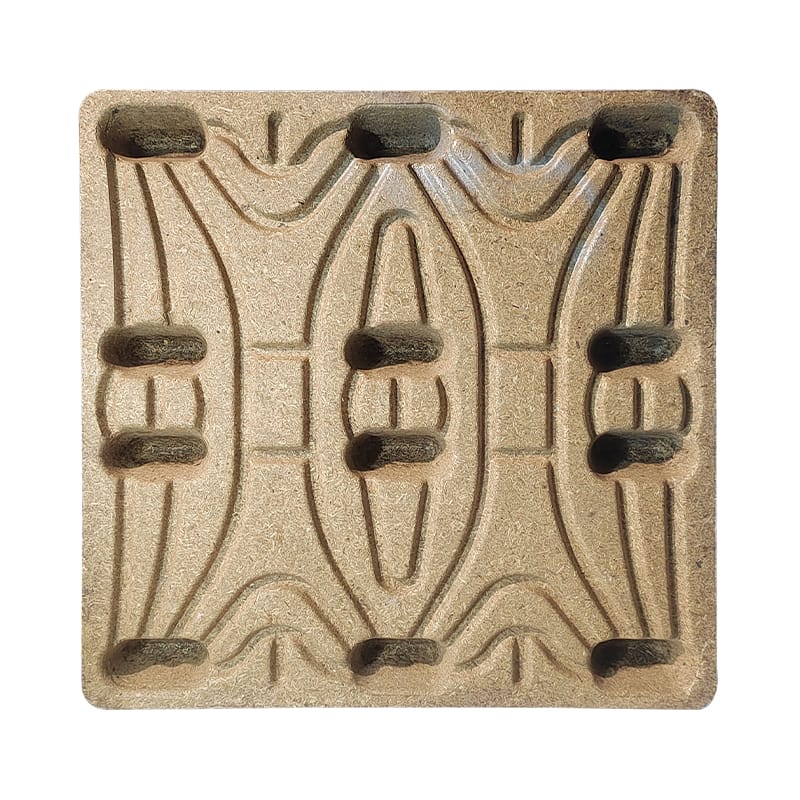
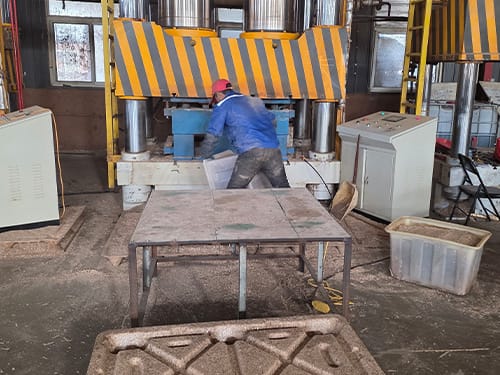
Pressed wood pallets, also known as compressed wood pallets or molded wood pallets, are manufactured through a sophisticated process that transforms plant fiber materials into durable, structurally robust shipping platforms. The manufacturing process involves compressing wood fibers, chips, and sawdust under high pressure and heat, typically reaching temperatures around 150 degrees Celsius and pressures up to 85 kg per square centimeter. This one-time hot press molding process creates pallets with exceptional structural integrity and consistent quality that far exceeds what is possible with traditional timber pallet construction.
What sets pressed wood pallets apart from conventional options is their material composition. Unlike petroleum-based plastic pallets that rely on non-renewable resources, pressed wood pallets are made from 100 percent natural plant fibers, including recycled wood waste and sawdust from lumber operations. This sustainable approach not only reduces environmental impact but also creates a closed-loop system where end-of-life pallets can be shredded and remanufactured into new products. According to industry research from the presswood pallets market analysis, this recycling capability supports a circular economy model that significantly reduces the carbon footprint of logistics operations.
The manufacturing process imparts several critical performance characteristics that make pressed wood pallets particularly suitable for demanding logistics environments. The high-density molding creates material density as high as 1.3 grams per cubic centimeter, resulting in exceptional resistance to wood-boring insects and infestations. The heat treatment during manufacturing naturally eliminates all living plant pests, making these pallets inherently resistant to termites and other wood-damaging organisms without requiring chemical treatments. This natural pest resistance, combined with the moisture-resistant properties achieved through the compression process, creates pallets that perform reliably in various environmental conditions.
Cost Comparison: Pressed Wood vs Plastic Pallets
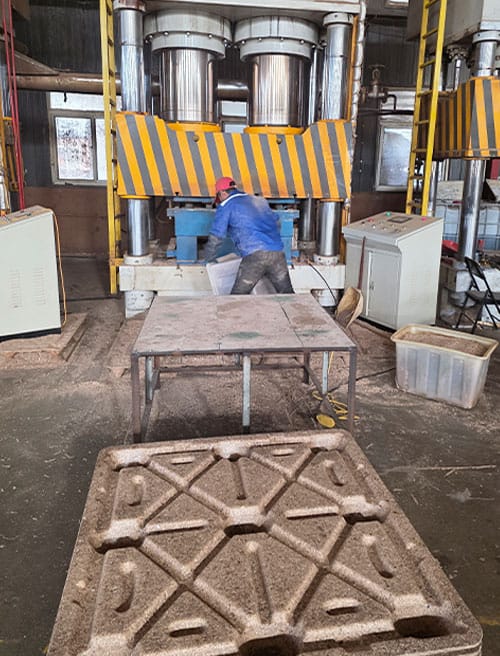
When evaluating pallet solutions, the total cost of ownership extends far beyond the initial purchase price. While plastic pallets have traditionally been viewed as the premium option with higher upfront costs, pressed wood pallets offer a compelling economic advantage that becomes even more pronounced when considering the full lifecycle of the product. The economic benefits of pressed wood pallets operate on multiple levels, creating savings that compound over time and can represent a significant competitive advantage for logistics-intensive businesses.
The initial purchase price comparison reveals substantial savings for pressed wood pallets. According to current market data from wholesale suppliers and manufacturers, pressed wood pallets typically range from 3.7 to 9.8 dollars per piece when ordered in quantities of 300 to 500 units. By contrast, plastic pallets generally command prices between 15 and 30 dollars per piece, often with minimum order quantities of 1,000 units or more. This represents a 50 to 75 percent lower upfront investment for pressed wood options, making them accessible to businesses of various sizes and with different budget constraints. The price advantage becomes particularly significant for small and medium enterprises that cannot commit to the large minimum orders often required by plastic pallet manufacturers.
Beyond the initial purchase price, the long-term cost of ownership analysis reveals even more compelling advantages. Pressed wood pallets have a typical service lifespan of 5 to 10 years under regular use conditions, comparable to or exceeding that of plastic alternatives. However, the maintenance requirements differ significantly. Plastic pallets may require repairs for cracked components, replacement of damaged sections, or special cleaning protocols for certain industries. Pressed wood pallets, by contrast, are essentially maintenance-free throughout their operational life, eliminating ongoing maintenance costs that can accumulate significantly over time.
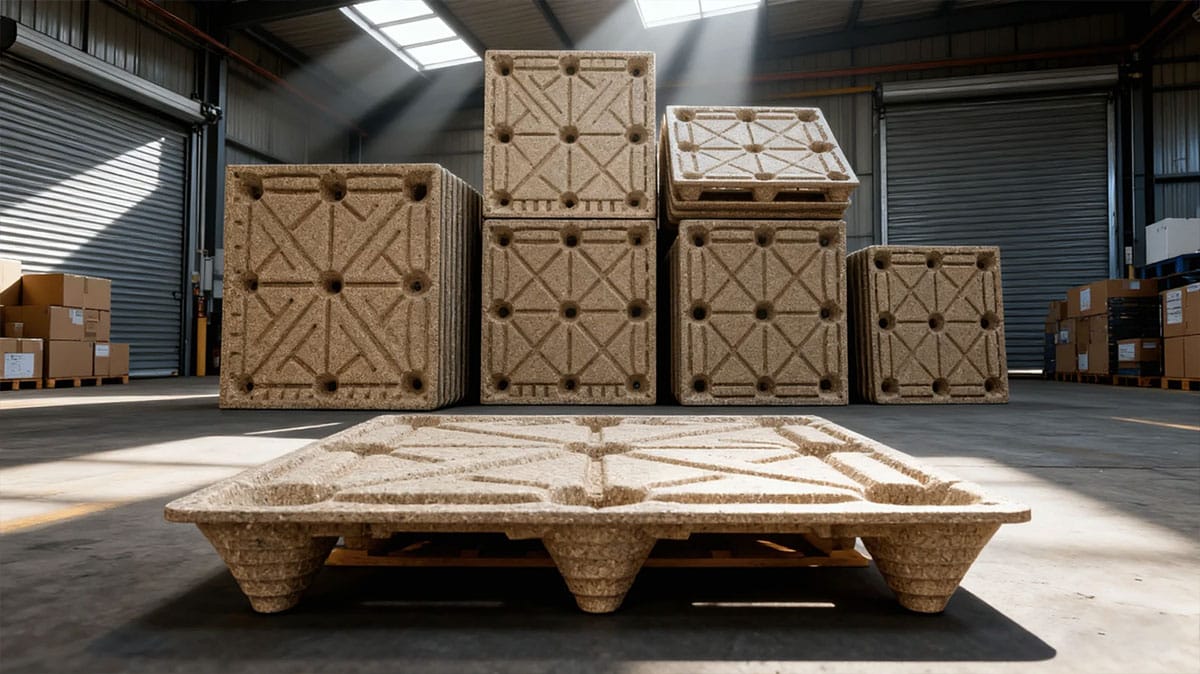
The hidden cost factors associated with pallet selection often go unnoticed until they impact the bottom line. One of the most significant hidden savings comes from storage efficiency. The nestable design of pressed wood pallets allows them to be stacked within each other, reducing required storage space by up to 60 percent compared to non-nestable alternatives. This space saving directly translates to reduced warehouse rent, lower heating and cooling costs, and more efficient use of premium storage space. According to logistics industry benchmarks, businesses can store up to 50 pressed wood pallets in an 8-foot stack height, compared to perhaps 10 to 15 traditional wooden pallets in the same footprint.
Transportation costs represent another area where pressed wood pallets deliver significant economic benefits. Their lightweight design reduces the overall shipping weight, which directly lowers fuel consumption during transportation. This weight advantage becomes particularly valuable for air freight operations, where shipping costs are calculated by weight. Additionally, the 4-way forklift entry design, combined with edge anti-slip reinforcement, improves forklift operation efficiency by approximately 30 percent according to operational studies. This efficiency gain reduces labor costs per handling cycle and increases overall warehouse throughput.
Perhaps most significantly for international shippers, pressed wood pallets eliminate fumigation costs entirely. Traditional wooden pallets require expensive fumigation treatments before export to many international markets, with costs varying by treatment method and volume. These costs, while sometimes modest per pallet, can accumulate substantially for high-volume exporters. Plastic pallets avoid fumigation requirements but come with their own set of challenges and higher purchase prices. Pressed wood pallets, being exempt from ISPM 15 requirements due to the heat treatment inherent in their manufacturing process, offer the best of both worlds: export readiness without additional treatment costs and significantly lower purchase prices than plastic alternatives.
Performance Comparison: Load Capacity and Durability
The performance characteristics of pallets determine their suitability for different applications and industries. When comparing pressed wood pallets to plastic alternatives, it is essential to understand that performance metrics vary based on specific design configurations and manufacturing quality. However, general trends emerge from industry testing and real-world application data that can inform decision-making processes.
Load capacity specifications represent perhaps the most critical performance metric for many applications. Pressed wood pallets typically offer dynamic load capacities ranging from 600 kilograms for lightweight models up to 2,500 kilograms, or 2.5 tons, for heavy-duty variants. Static load capacities can reach up to 8 tons for certain configurations. Plastic pallets, while available in similar load capacity ranges, more commonly fall in the 500 to 1,500 kilogram range for standard models, with heavy-duty plastic variants reaching higher capacities at significantly increased costs. The key difference lies in the price-to-performance ratio, where pressed wood pallets deliver exceptional load capacity at a fraction of the cost of equivalent plastic options.
The structural integrity of pressed wood pallets contributes significantly to their performance characteristics. The one-time hot press molding process creates uniform density throughout the pallet structure, eliminating weak points that can develop in nailed wooden pallets or plastic welded joints. This structural consistency means that load distribution is more even across the pallet surface, reducing stress concentrations that can lead to premature failure. The edge anti-slip reinforcement design not only improves handling safety but also contributes to overall structural stability during stacking and transport.
Durability in different environmental conditions represents another area where pressed wood pallets demonstrate notable advantages. The manufacturing process creates pallets with low moisture content and natural resistance to water absorption. While prolonged exposure to standing water or extremely humid conditions should be avoided, pressed wood pallets perform admirably in typical warehouse and transportation environments where occasional moisture exposure is unavoidable. The compression process creates material density that resists swelling and warping that can affect traditional wooden pallets when exposed to moisture. Plastic pallets, while inherently water-resistant, can become brittle in cold conditions and may crack under impact in low-temperature environments.
Wear resistance and compressive strength are critical factors for high-frequency handling operations. The high-density molding process gives pressed wood pallets exceptional resistance to surface wear and abrasion that occurs during repeated forklift handling, stacking, and transportation. This wear resistance extends the operational lifespan of the pallets and maintains their appearance and functionality over time. Plastic pallets, while also durable, can develop surface scratches that accumulate over time and may harbor contaminants in certain applications. The compressive strength of pressed wood pallets allows them to withstand the substantial forces exerted during stacking of loaded pallets in warehouse environments, a capability that is essential for space-efficient storage operations.
ISPM 15 Compliance and Export Shipping Benefits
For businesses involved in international trade, understanding ISPM 15 regulations and their impact on shipping operations is crucial for smooth customs clearance and avoiding costly delays. ISPM 15 is an international standard developed by the International Plant Protection Convention that establishes guidelines for treating wood packaging material to prevent the spread of pests and diseases across international borders. Compliance with these regulations has traditionally been a significant cost and operational burden for shippers using traditional wooden pallets.
The exemption of pressed wood pallets from ISPM 15 requirements represents one of their most significant competitive advantages. Because pressed wood pallets are manufactured using high-temperature and high-pressure processes that naturally eliminate all living organisms in the wood fibers, they are classified as processed wood material rather than raw wood packaging. This classification means they do not require additional heat treatment, fumigation, or chemical treatment before export. The manufacturing process itself serves as the treatment method, making pressed wood pallets inherently compliant with international phytosanitary standards.
According to international trade statistics and customs data, the exemption from ISPM 15 requirements can save exporters 3 to 5 days in export preparation time. This time saving comes from eliminating the need for pallet treatment scheduling, waiting for treatment completion, and obtaining necessary treatment certificates. For time-sensitive shipments, particularly those with tight delivery deadlines or perishable contents, this reduction in preparation time can be operationally significant and can provide competitive advantages in just-in-time supply chains.
The financial impact of ISPM 15 compliance extends beyond direct treatment costs. Fumigation treatments for traditional wooden pallets typically cost between 2 to 5 dollars per pallet depending on treatment method and volume, with additional costs for certification documentation. However, the hidden costs often exceed these direct treatment expenses. The need to transport pallets to treatment facilities, storage during treatment periods, and administrative overhead for managing treatment certificates all contribute to the total cost of compliance. Additionally, mistakes or documentation errors can result in shipments being rejected at destination ports, leading to costly delays, storage charges, and potential repatriation of goods.
Pressed wood pallets eliminate these costs and risks entirely. No fumigation means no treatment costs, no certification documentation requirements, and no risk of rejection due to treatment-related issues. This simplification of export processes is particularly valuable for businesses new to international trade or those expanding into new markets with unfamiliar regulatory requirements. The peace of mind that comes from knowing your packaging material meets international standards without additional treatment or certification cannot be underestimated in complex global supply chains.
Global market acceptance of pressed wood pallets continues to expand as more importers recognize their advantages. Major markets including those in Europe, North America, and Asia have established clear guidelines accepting pressed wood pallets as ISPM 15 exempt. This widespread acceptance means businesses can use a single pallet type across multiple export markets, simplifying inventory management and reducing the complexity of international logistics operations.
Warehouse Optimization and Space Efficiency

Warehouse space represents one of the most significant operational costs for logistics businesses, with rent, utilities, and labor all tied directly to facility size and efficiency. Any innovation that reduces the space required to store packaging materials or improves space utilization can have substantial economic impacts. Pressed wood pallets offer several space-saving advantages that can transform warehouse operations and reduce overall storage costs.
The nestable design of pressed wood pallets is perhaps their most significant space-saving feature. Unlike traditional wooden pallets that cannot be nested and plastic pallets that offer limited nesting capabilities, pressed wood pallets are designed to stack efficiently within each other when empty. This nesting capability reduces storage space requirements by approximately 60 percent compared to non-nestable alternatives. According to warehouse design guidelines and storage optimization studies, businesses can typically store up to 50 pressed wood pallets in an 8-foot stack height, compared to perhaps 10 to 15 traditional wooden pallets occupying the same floor footprint. This dramatic space efficiency allows businesses to store more pallets on-site, reducing delivery frequency and associated transportation costs.
The space savings extend beyond simple storage efficiency. More efficient pallet storage means more floor space available for revenue-generating inventory, value-added operations, or expanded production capacity. For businesses renting warehouse space, this can directly reduce facility costs by allowing operations to continue in smaller facilities or accommodating growth without requiring expansion. Even for businesses that own their facilities, improved space utilization can defer capital investments in new construction or expansion projects.
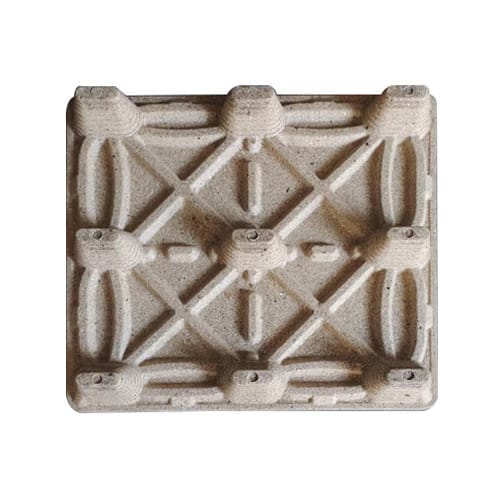
Forklift handling efficiency represents another significant benefit of pressed wood pallet design. The 4-way entry design allows forklifts to approach and lift pallets from any direction, improving handling flexibility and reducing the maneuvering space required in warehouse operations. Combined with the edge anti-slip reinforcement that provides stable footing for forklift tines, this design can improve forklift operation efficiency by approximately 30 percent according to operational studies. This efficiency gain translates directly to labor cost reduction, as fewer operator hours are required to move the same volume of material.
The table below provides a detailed comparison of space efficiency metrics between pressed wood pallets and traditional alternatives:
| Performance Metric | Pressed Wood Pallets | Traditional Wooden Pallets | Plastic Pallets | Percentage Advantage |
|---|---|---|---|---|
| Storage Space Requirement (per 100 empty pallets) | 25 square meters | 65 square meters | 45 square meters | 60% space savings vs. wood |
| Maximum Stack Height | 50 pallets in 8 feet | 10-15 pallets in 8 feet | 20-25 pallets in 8 feet | 300% more capacity vs. wood |
| Forklift Entry Directions | 4-way | Typically 2-way | 2-way or 4-way | 100% more flexible than 2-way wood |
| Average Handling Time per Cycle | 30 seconds | 45 seconds | 40 seconds | 33% faster than wood |
| Cargo Damage Reduction | 15-20% improvement | Baseline | 10-15% improvement | Significant loss cost avoidance |
Cargo protection and damage reduction represent another substantial benefit of pressed wood pallet design. The edge anti-slip reinforcement not only improves handling safety but also provides secure containment of cargo during transport. According to logistics industry data, the stable design of pressed wood pallets can reduce cargo collision damage by 15 to 20 percent compared to traditional wooden pallets. This reduction in damage directly impacts insurance premiums, replacement costs, and customer satisfaction. For businesses shipping high-value or fragile goods, this damage reduction can represent substantial financial savings and improved customer relationships.
The lightweight design of pressed wood pallets also contributes to handling efficiency. Typical pressed wood pallets weigh between 10 to 20 kilograms depending on size and configuration, compared to 25 to 30 kilograms for traditional wooden pallets and 15 to 25 kilograms for plastic pallets. This weight advantage reduces operator fatigue during manual handling, decreases wear on forklift equipment, and reduces fuel consumption during transportation of empty pallets to distribution points. The cumulative effect of these small efficiency gains can represent substantial operational benefits over time.
Environmental Sustainability and Recycling
Environmental sustainability has become a critical consideration for businesses across all industries, driven by both regulatory requirements and consumer preferences. The logistics sector faces particular scrutiny regarding packaging materials and their environmental impact throughout the lifecycle from production to disposal. Pressed wood pallets offer compelling environmental advantages that align with sustainability goals while often delivering economic benefits as well.
The material composition of pressed wood pallets provides their foundation as an environmentally sustainable option. Made from 100 percent plant fibers, including recycled wood waste and sawdust from lumber operations, pressed wood pallets utilize materials that would otherwise be discarded as industrial byproducts. This approach not only reduces waste but also creates demand for recycled materials, supporting the economics of recycling operations. By contrast, plastic pallets are manufactured from petroleum-based raw materials that are non-renewable and energy-intensive to extract and process. The carbon footprint difference between wood-based and plastic-based pallets is substantial, with life cycle assessment studies indicating that wood pallets typically have a carbon footprint 60 to 80 percent lower than equivalent plastic pallets.
The biodegradability of pressed wood pallets represents another significant environmental advantage. At end of life, pressed wood pallets will naturally decompose without leaving persistent environmental contaminants. This biodegradability contrasts sharply with plastic pallets, which can persist in the environment for hundreds of years if not properly recycled. Even when plastic pallets are recycled, the recycling process is energy-intensive and the resulting material quality often degrades with each recycling cycle. Pressed wood pallets, by contrast, can be recycled into new pallet products multiple times while maintaining material quality, or they can be safely composted at end of life.
The closed-loop recycling capabilities of pressed wood pallets represent perhaps their most compelling environmental advantage. Because pressed wood pallets are made from compressed wood fibers, they can be shredded at end of life and the resulting material used as raw material for manufacturing new pressed wood pallets. This closed-loop system reduces demand for virgin wood fiber, minimizes waste sent to landfills, and creates a sustainable supply chain model. According to recycling industry data, the recycling rate for pressed wood pallets can approach 100 percent when proper collection and processing infrastructure is in place, significantly exceeding the recycling rates for plastic pallets which face technical and economic challenges in recycling.
End-of-life disposal considerations often represent hidden costs and environmental impacts that are not considered during initial purchasing decisions. Pressed wood pallets can be disposed of through multiple environmentally responsible pathways. Recycling into new pallet products represents the ideal scenario, but even when recycling infrastructure is not available, pressed wood pallets can be safely landfilled where they will decompose naturally without leaching harmful chemicals into groundwater or soil. Some pressed wood pallets can even be used as biomass fuel for energy generation at end of life, recovering the energy stored in the wood fibers. Plastic pallet disposal presents more significant challenges, with landfill disposal being the most common option despite environmental concerns and increasing regulatory restrictions.
Regulatory compliance for environmental standards continues to evolve, with many regions implementing stricter requirements for packaging materials. The European Union has implemented comprehensive packaging waste regulations that set recycling targets and restrict certain materials. Similar regulations are being implemented or considered in other regions globally. Pressed wood pallets, being recyclable and biodegradable, are well-positioned to meet current and anticipated future environmental regulations. Plastic pallets face increasing regulatory scrutiny, with some regions implementing plastic taxes or restrictions on certain types of plastic packaging materials. The forward-looking compliance advantages of pressed wood pallets can help businesses avoid future regulatory disruption and potential costs associated with compliance changes.
Industry-Specific Applications and Case Studies
The versatility of pressed wood pallets makes them suitable for a wide range of industries and applications, each with unique requirements and operational considerations. Understanding how pressed wood pallets perform in specific industry contexts can help businesses make informed decisions about their packaging solutions and identify opportunities for operational improvement.
The food and beverage industry faces particularly stringent requirements for packaging materials due to food safety regulations and consumer expectations. Pressed wood pallets offer several advantages for this industry, starting with their pest resistance. The manufacturing process that creates pressed wood pallets eliminates the risk of pest infestation that can occur with traditional wooden pallets, a critical consideration for food products where contamination risks must be minimized. Additionally, the smooth surface of pressed wood pallets facilitates easy cleaning and sanitation, supporting hygiene protocols in food processing and distribution environments. Regulatory compliance is another important consideration for food industry applications, with pressed wood pallets meeting the requirements of food safety regulations in major markets including North America and the European Union.
Pharmaceutical and medical device industries require packaging solutions that meet the highest standards for cleanliness and regulatory compliance. These industries have traditionally been strong users of plastic pallets due to their smooth, non-porous surfaces that can be easily sanitized. However, pressed wood pallets offer compelling advantages for these industries as well. The one-time hot press molding process creates a dense, non-porous surface that resists moisture absorption and does not support bacterial growth. The ISPM 15 exemption is particularly valuable for pharmaceutical exporters, as it eliminates the risk of delays or rejections due to documentation errors related to fumigation treatments. For temperature-sensitive pharmaceutical products, the thermal insulation properties of wood provide better protection against temperature fluctuations than plastic materials.
The electronics industry presents unique challenges for packaging materials due to electrostatic discharge risks and the value and fragility of electronic components. Plastic pallets have been widely used in electronics applications because they can be manufactured as electrostatic discharge (ESD) safe materials. However, pressed wood pallets also perform well in electronics applications. The natural wood composition does not generate static charges, eliminating the risk of ESD damage during handling and transportation. The impact resistance of pressed wood pallets provides better protection for sensitive electronic components during transit compared to more brittle plastic alternatives. The cost advantage of pressed wood pallets is particularly valuable in the electronics industry, where profit margins are often thin and cost control is essential for competitiveness.
E-commerce and fulfillment centers operate under different operational constraints than traditional distribution operations. The high volume of individual customer orders requires packaging solutions that can withstand frequent handling while maintaining operational efficiency. Pressed wood pallets excel in this environment due to their durability and handling efficiency. The 4-way entry design supports rapid fulfillment operations where speed and accuracy are essential. The nestable design provides significant space savings in fulfillment centers where return rates can be high and efficient storage of empty packaging materials is crucial. For one-way shipping applications common in e-commerce, the cost advantage of pressed wood pallets compared to plastic alternatives is particularly significant, as the higher purchase price of plastic pallets cannot be amortized over multiple trips.
Heavy industrial applications including machinery manufacturing and automotive supply chains require pallets that can support substantial loads and withstand harsh handling conditions. The load capacity of pressed wood pallets, with heavy-duty models supporting dynamic loads up to 2,500 kilograms and static loads up to 8 tons, makes them suitable for many industrial applications. The impact resistance of pressed wood pallets provides durability in industrial environments where handling equipment may be less precise and operating conditions more demanding. The cost advantage of pressed wood pallets is particularly valuable in industrial applications where replacement costs for damaged pallets can be significant and operational efficiency directly impacts profitability.
Supplier Selection and Quality Considerations
Selecting the right supplier for pressed wood pallets is a critical decision that affects product quality, supply chain reliability, and overall operational efficiency. While pressed wood pallets offer compelling advantages, realizing these benefits requires sourcing from manufacturers with appropriate capabilities, quality systems, and production capacity. Understanding what to look for in a supplier can help businesses avoid common pitfalls and ensure they receive pallets that meet their performance requirements.
Manufacturing certifications provide important assurances about supplier capabilities and commitment to quality. ISO 9001 certification indicates that the manufacturer has implemented a comprehensive quality management system covering all aspects of production from raw material procurement to final product testing. This certification is particularly important for businesses with rigorous supplier qualification processes or those operating in regulated industries. Additional certifications that may be relevant depending on the market include forest management certifications for sustainable wood sourcing, specific export market certifications, and industry-specific quality accreditations. The absence of appropriate certifications should raise concerns about supplier capabilities and commitment to quality consistency.
Production capacity and lead time capabilities are critical considerations, especially for businesses with seasonal demand fluctuations or those requiring just-in-time delivery. Smaller manufacturers may offer attractive pricing but may lack the capacity to scale up production during peak demand periods, potentially leading to stockouts or delayed shipments. Established manufacturers with significant production capacity can provide reliable supply even during periods of high demand, reducing the risk of disruptions to logistics operations. Lead time capabilities vary significantly between suppliers, with some offering standard production times of 2 to 3 weeks while others can provide faster turnaround for urgent orders. Understanding production scheduling and the supplier’s ability to accommodate rush orders can be important for businesses with time-sensitive operations.
Customization capabilities represent another important differentiator between suppliers. While standard pressed wood pallets in common sizes meet the needs of many applications, some businesses require customized dimensions, load capacities, or special features such as specific surface treatments or reinforcement patterns. Manufacturers with in-house engineering capabilities can provide true customization based on specific application requirements, while less sophisticated suppliers may be limited to standard product offerings. The ability to provide prototypes or test samples can be valuable for businesses with unique requirements, allowing them to evaluate pallet performance before committing to large production runs.
Quality control processes and testing capabilities vary significantly between suppliers and directly impact product consistency and reliability. Leading manufacturers implement comprehensive quality control systems that include raw material inspection, in-process monitoring, and final product testing. Load testing to verify that pallets meet stated capacity specifications is particularly important, as underperforming pallets can lead to product damage and safety incidents. Moisture content control during production affects dimensional stability and performance, especially important for pallets destined for use in varying environmental conditions. Surface quality inspection ensures that pallets are free from defects that could snag or damage products during handling.
Bulk purchasing and supply chain management considerations extend beyond simple price per unit comparisons. Minimum order quantities vary significantly between suppliers, with some requiring orders of 500 units or more while others may accommodate smaller orders at premium pricing. Wholesale pricing tiers and volume discounts can provide significant savings for high-volume buyers, but these discounts must be evaluated in the context of overall value including quality, reliability, and service levels. International suppliers may offer attractive pricing but introduce additional complexity including longer lead times, import procedures, and potential communication challenges. Evaluating the total cost of ownership including transportation, customs clearance, and inventory carrying costs is essential for making informed sourcing decisions.
Technical specifications and customization options vary between suppliers and should be evaluated against specific application requirements. Standard size options typically include common international dimensions such as 1200 by 800 millimeters (Euro size), 1000 by 1200 millimeters (UK standard), and 1100 by 1100 millimeters, with additional sizes available depending on manufacturer capabilities. Load capacity customization options allow businesses to specify dynamic and static load requirements based on their specific products and handling equipment. Special coatings and surface treatments may be available for applications requiring moisture resistance, chemical resistance, or other specialized performance characteristics. Understanding the full range of customization options helps businesses select pallets that are optimized for their specific operational requirements rather than compromising with generic products.
Decision Framework: Choosing the Right Pallet for Your Business
Making an informed decision about pallet selection requires systematically evaluating multiple factors beyond simple purchase price. The optimal choice depends on specific operational requirements, regulatory environment, cost structure, and long-term strategic objectives. A structured decision framework can help businesses navigate this complex choice and select pallet solutions that deliver the best overall value for their particular circumstances.
Application scenario analysis represents the starting point for pallet selection. Export shipping requirements create different priorities compared to domestic warehouse operations. For businesses heavily involved in international trade, the ISPM 15 exemption of pressed wood pallets provides compelling advantages that often outweigh other considerations. The time and cost savings associated with avoiding fumigation treatments and certification documentation can be substantial for regular exporters. Domestic operations focused on storage efficiency may prioritize the nestable design and space-saving characteristics of pressed wood pallets. High-frequency handling operations benefit from the durability and handling efficiency advantages that pressed wood pallets provide. Understanding the specific requirements of each application scenario helps prioritize the factors that matter most for operational success.
Total cost of ownership calculations provide a more accurate basis for comparison than simple purchase price alone. These calculations should incorporate all relevant cost factors over the expected lifespan of the pallets. Initial purchase price represents the most visible cost but often not the largest component of total cost over time. Storage space utilization directly affects facility costs, with more space-efficient pallets reducing rent, utilities, and potentially deferring capital investments in facility expansion. Transportation cost impacts include fuel savings from reduced weight and potential efficiency gains from improved handling characteristics. Maintenance and replacement costs vary significantly between pallet types, with pressed wood pallets typically requiring minimal maintenance while having service lifespans comparable to or exceeding other alternatives. End-of-life disposal costs include potential recycling revenue for certain materials or disposal fees for others.
Risk mitigation and compliance considerations are often overlooked but critically important for business continuity and regulatory compliance. Export regulatory compliance risks can result in shipment delays, additional costs, and potential loss of business if shipments are rejected at destination ports. Pressed wood pallets eliminate the risk of fumigation-related compliance issues through their inherent ISPM 15 exemption. Environmental compliance considerations are increasingly important as regulations evolve and customer expectations change. Pressed wood pallets, being recyclable and biodegradable, are well-positioned to meet current and anticipated future environmental regulations. Supply chain reliability risks include potential disruptions from supplier failures, capacity constraints, or quality issues. Working with established suppliers with appropriate certifications and proven track records helps mitigate these risks.
The decision-making process should also consider future flexibility and scalability requirements. Businesses planning for expansion or changing operational requirements should select pallet solutions that can adapt to evolving needs. Pressed wood pallets, with their broad application range and customizable specifications, offer flexibility that can accommodate changes in product lines, handling equipment, or regulatory environments. The relatively low upfront investment required for pressed wood pallets compared to plastic alternatives also provides greater flexibility for businesses experiencing growth or seasonal demand fluctuations.
Implementation Roadmap

Once the decision to adopt pressed wood pallets has been made, successful implementation requires careful planning and execution. An implementation roadmap helps ensure smooth transition to new packaging materials and maximizes the benefits of the change while minimizing disruption to ongoing operations.
Supplier evaluation and selection represents the critical first step in the implementation process. Developing supplier qualification criteria based on specific business requirements helps identify potential partners with appropriate capabilities. These criteria should include manufacturing certifications, production capacity, customization capabilities, quality control processes, and financial stability. Requesting samples from multiple suppliers allows hands-on evaluation of product quality and performance characteristics. Site visits to manufacturing facilities can provide valuable insights into production processes, quality systems, and management capabilities. Reference checks with existing customers can reveal important information about supplier reliability, responsiveness, and problem-solving capabilities.
Pilot testing and quality verification help ensure that selected pressed wood pallets meet operational requirements before committing to large-scale implementation. This pilot phase should include testing under actual operating conditions to evaluate real-world performance characteristics. Load testing with representative products verifies that pallets can support intended weights without deformation or failure. Handling efficiency testing measures actual improvements in forklift operation times and labor productivity. Durability testing over a realistic period assesses how pallets perform under repeated handling cycles and varying environmental conditions. Supplier responsiveness during the pilot phase provides important insights into customer service capabilities and commitment to satisfaction.
Bulk purchasing negotiation strategies can maximize value when transitioning to pressed wood pallets. Volume discounts based on order quantities provide significant savings for high-volume buyers. Long-term supply agreements may offer preferential pricing in exchange for guaranteed purchase volumes. Consolidated ordering and reduced administrative costs may provide opportunities for additional savings. Transportation optimization can reduce logistics costs, particularly for international suppliers where freight represents a significant portion of total cost. Understanding the full range of pricing variables and negotiation levers helps ensure that the final agreement delivers optimal value.
Integration with existing warehouse operations requires careful planning to maximize benefits and minimize disruption. Training programs for warehouse staff ensure proper handling techniques and safety protocols. Warehouse layout optimization may be required to take full advantage of space-saving characteristics of nestable pallets. Inventory management system updates may be needed to accurately track pallet quantities and locations. Process standardization helps ensure consistent benefits across multiple facilities or operational shifts. Performance metrics should be established before implementation to provide baseline measurements against which improvements can be assessed.
Conclusion
The comprehensive analysis of pressed wood pallets versus plastic alternatives reveals compelling advantages that extend beyond simple purchase price considerations. Pressed wood pallets deliver substantial economic benefits through their lower upfront cost, reduced space requirements, and operational efficiency gains. Environmental advantages align with sustainability goals and evolving regulatory requirements. The ISPM 15 exemption provides significant time and cost savings for exporters while eliminating compliance risks. When evaluating total cost of ownership over the full lifecycle, pressed wood pallets often represent the superior choice across multiple dimensions.
The key advantages of pressed wood pallets can be conclusion as follows: 30 to 50 percent lower total cost compared to solid wood pallets, 50 to 75 percent price advantage versus plastic pallets, ISPM 15 exemption with more than 3 days of export time savings, 60 percent storage space reduction through nestable design, 30 percent improved forklift efficiency, 15 to 20 percent reduction in cargo damage costs, and 100 percent recyclability with environmental sustainability benefits. These advantages combine to create substantial value for businesses across multiple industries and operational contexts.
Pressed wood pallets are particularly well-suited for export shipping to ISPM 15 regulated markets where their exemption from fumigation requirements provides compelling advantages. Businesses prioritizing cost reduction and space optimization will find significant benefits from the lower purchase price and nestable design characteristics. Companies with strong environmental sustainability goals will appreciate the recyclable, biodegradable nature of pressed wood pallets and their alignment with circular economy principles. High-volume warehouse operations requiring space efficiency can achieve substantial rent savings through improved storage utilization.
The implementation process should follow a structured approach starting with supplier evaluation and selection based on specific operational requirements. Pilot testing under actual operating conditions helps verify that selected pallets meet performance expectations before committing to large-scale implementation. Bulk purchasing negotiations should consider total cost of ownership rather than simple price per unit comparisons. Integration with existing operations requires careful planning and training to maximize benefits and minimize disruption.
As logistics operations continue to evolve with increasing emphasis on efficiency, sustainability, and regulatory compliance, pressed wood pallets offer a forward-looking solution that addresses current needs while positioning businesses to meet future challenges. The combination of economic advantages, environmental benefits, and operational performance makes pressed wood pallets a compelling choice for businesses seeking to optimize their packaging materials and supply chain operations.
For businesses considering pressed wood pallet adoption, the next steps should include detailed evaluation of specific application requirements, consultation with qualified suppliers to explore customization options, and pilot testing to verify performance under actual operating conditions. The substantial benefits and relatively low implementation risk make pressed wood pallets worthy of serious consideration for any business seeking to optimize their logistics operations.
FAQ
What is a pressed wood pallet made of?
Pressed wood pallets are manufactured from plant fibers including recycled wood chips and sawdust compressed under high temperature and pressure. This sustainable material composition makes them 100 percent recyclable and biodegradable, offering an environmentally friendly alternative to plastic pallets.
Do pressed wood pallets require ISPM 15 fumigation treatment?
No, pressed wood pallets are exempt from ISPM 15 fumigation requirements. The high-temperature manufacturing process naturally eliminates all pests and organisms, making them ready for international export without additional treatments or certification documentation.
How much weight can a pressed wood pallet hold?
Pressed wood pallets typically offer dynamic load capacities ranging from 600 to 2,500 kilograms depending on the model, with static load capacities reaching up to 8 tons for heavy-duty variants. This load capacity makes them suitable for most industrial applications.
How much storage space can nestable pressed wood pallets save?
The nestable design of pressed wood pallets reduces storage space requirements by approximately 60 percent compared to non-nestable alternatives. You can typically stack up to 50 empty pressed wood pallets in an 8-foot height, significantly improving warehouse efficiency.
Are pressed wood pallets cheaper than plastic pallets?
Yes, pressed wood pallets typically cost 50 to 75 percent less than plastic pallets while offering comparable or superior performance characteristics. The initial purchase price ranges from 3.7 to 9.8 dollars per piece compared to 15 to 30 dollars for plastic equivalents.