
Table of Contents
If you are responsible for supply chain management, warehousing, or international shipping, you already understand that not all pallets are created equal. Selecting the right custom pallet can make a substantial difference in reducing logistics costs, improving warehouse efficiency, and ensuring safe delivery of goods.
Many businesses still rely on standard wooden or plastic pallets, which can introduce challenges such as excessive weight, inconsistent quality, moisture sensitivity, and compliance issues. With custom molded pallets, manufactured in a single compression molding process, you can achieve a durable, lightweight, and fully tailored solution. This article explores how custom pallet solutions can optimize your logistics operations while reducing overall costs.
Understanding Custom Pallets and Their Role in Supply Chains
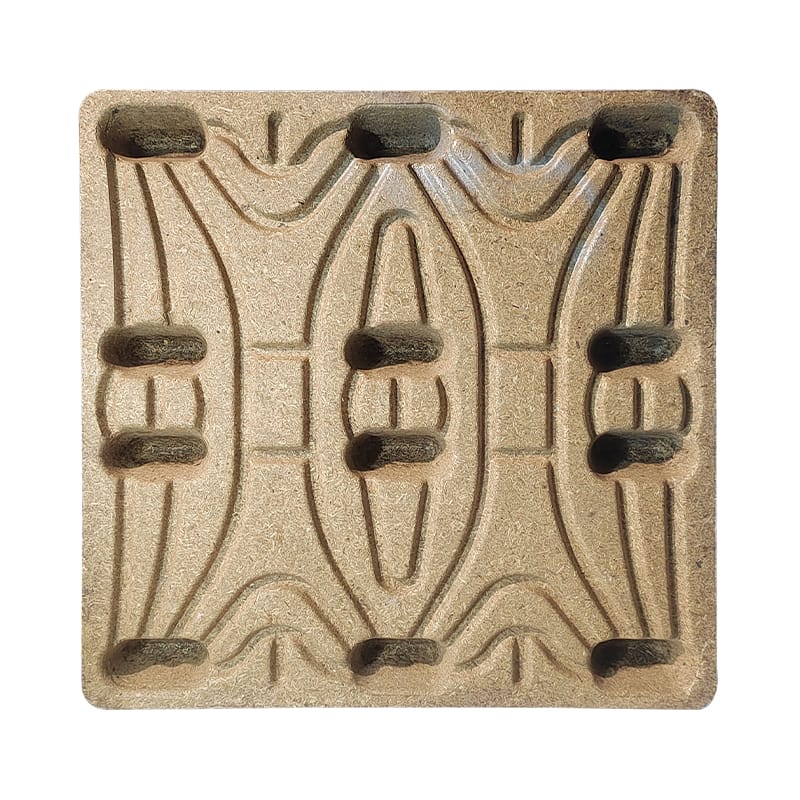
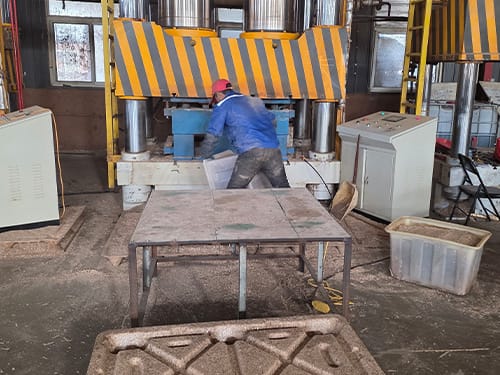
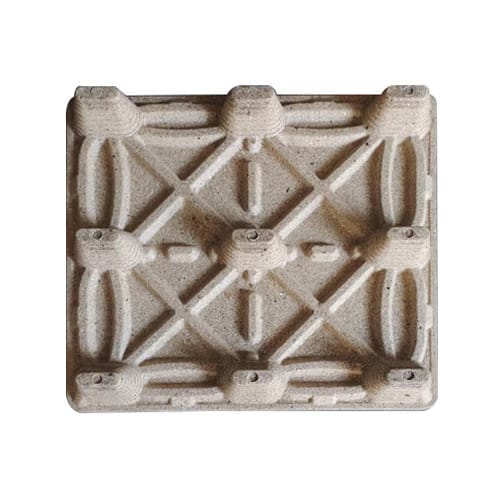
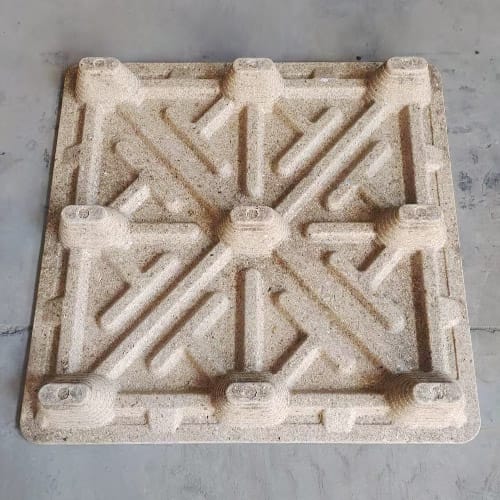
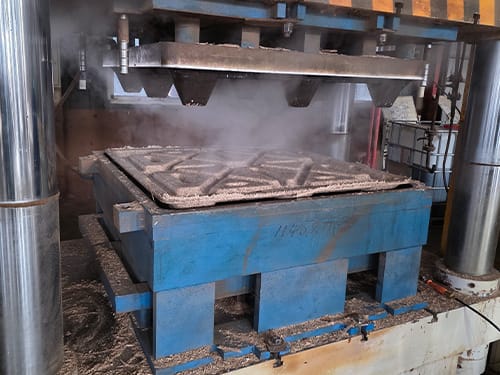
A custom pallet is a pallet designed specifically to meet the unique needs of your products, warehouse, and transportation workflow. Unlike standard pallets, which have fixed dimensions and strength, custom molded pallets can be tailored for load capacity, size, material, and stackability. Molded pallets, in particular, are made from plant fibers using a single hot compression process, creating a structure that evenly distributes stress across the entire pallet.
The benefits are clear. With custom pallets, you can achieve consistent performance across multiple shipments, reduce damage to your goods, and improve compatibility with container sizes and automated warehouse systems. International shipping standards, such as ISPM 15, emphasize compliance for export pallets, and molded pallets often eliminate additional fumigation or heat treatment requirements.
The Hidden Costs of Traditional Pallets
While standard pallets may appear cheaper at first glance, hidden costs can quickly accumulate:
- Fumigation or heat treatment for export compliance can delay shipments.
- Variability in quality often results in higher damage rates.
- Non-stackable or heavy pallets occupy unnecessary warehouse space.
- Inconsistent dimensions can reduce container utilization efficiency.
According to a supply chain analysis published by the USDA APHIS export guidelines, companies that use standardized wooden pallets may spend 20–30% more on logistics due to additional treatment, damage, and handling inefficiencies.
How Custom Molded Pallets Reduce Logistics Costs
Custom molded pallets address the shortcomings of traditional pallets by providing:
- Consistent Strength: Single-piece molding ensures uniform stress distribution.
- Lightweight Design: Molded pallets typically weigh 40–50% less than wooden alternatives, reducing freight charges.
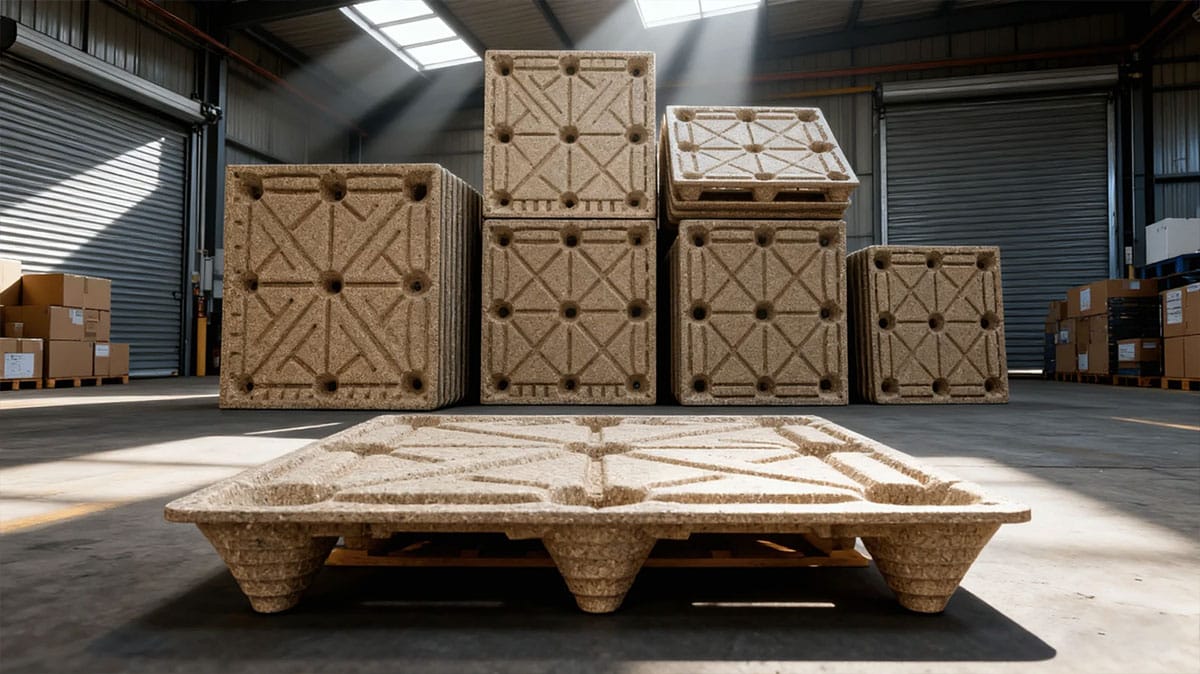
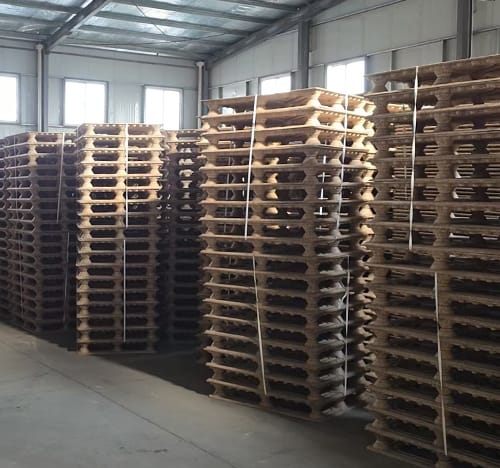
- Stackable Structure: Efficient stacking reduces warehouse footprint and allows for better inventory management.
- Durability: Resistant to moisture, pests, and deformation, minimizing replacement costs.
A comparison of typical molded pallets versus standard wooden pallets illustrates the efficiency gains:
| Feature | Molded Custom Pallet | Standard Wooden Pallet |
|---|---|---|
| Average Weight | 11–12 kg | 22–25 kg |
| Fumigation Required | No | Yes |
| Damage Rate | 1–2% | 4–5% |
| Stackable | Yes | Limited |
| Lifecycle Cost | 30–50% lower | Higher |
| Export Compliance | Automatic | Requires Additional Treatment |
This table demonstrates that by investing in custom pallets, you can significantly cut costs, reduce damage, and save warehouse space, all while maintaining compliance with export requirements.
Case Study: Electronics Exporter Optimizes Supply Chain
Consider a mid-sized electronics supplier managing thousands of shipments per year. The company faced frequent delays due to fumigation requirements and a high replacement rate for damaged wooden pallets. By switching to custom molded pallets:
- Pallets were tailored to container dimensions and product weight.
- Single-piece molding provided consistent strength, preventing cargo damage.
- Stackable design reduced storage space by more than 50%.
- Lightweight pallets reduced freight expenses by nearly 40%.
Results showed that the company could streamline warehouse operations, reduce shipping costs, and improve delivery reliability, highlighting the tangible impact of custom pallet solutions.
Designing Your Custom Pallet for Maximum Efficiency
When creating a custom pallet, consider the following to maximize ROI:
- Dimensions and Load Capacity: Match your products and containers to reduce wasted space.
- Deck and Support Design: Ensure even stress distribution and prevent weak points.
- Stackability: Optimize warehouse storage and reduce handling labor.
- Automation Compatibility: Forklift, conveyor, and robotic systems require consistent sizing and weight.
- Export Optimization: Efficiently use container space to minimize shipping cost.
Research from Freightos indicates that optimizing pallet dimensions can improve container utilization by 10–15%, translating to significant savings in logistics.
Cost Analysis: Molded Custom Pallets vs Traditional Options
While wooden pallets may have lower upfront costs, custom molded pallets provide better long-term value. Consider these metrics:
- Initial purchase cost may be slightly higher for custom pallets.
- Lower freight costs due to reduced weight.
- Minimal damage reduces replacement frequency.
- Stackable and uniform design increases warehouse density.
- Export compliance costs are nearly eliminated.
This comprehensive cost view highlights why many companies prefer investing in custom pallet solutions rather than short-term savings with standard pallets.
Sustainability and Environmental Advantages
Using custom molded pallets aligns with environmental and corporate sustainability goals:
- Made from renewable plant fibers and fully recyclable.
- Lightweight design reduces carbon emissions in transport.
- Supports circular economy principles by lowering overall material consumption.
Organizations focusing on sustainable supply chains can leverage custom pallets as a practical ESG initiative, contributing to greener logistics practices. For reference, see Ellen MacArthur Foundation – Circular Economy.
Export and Compliance Benefits
Custom pallets are often heat-treated during production, eliminating the need for additional fumigation. This ensures:
- Faster export processing and reduced lead time.
- Compliance with international shipping standards.
- Simplified documentation and reduced administrative costs.
Additionally, molded custom pallets are designed to withstand long-distance transport without degradation, making them suitable for global supply chains. Further insights into warehouse efficiency can be found at Inbound Logistics.
Implementing Custom Pallets in Your Logistics Workflow
To integrate custom pallets into your operations:
- Conduct a thorough audit of your current pallet usage and costs.
- Identify high-cost shipping routes or product lines.
- Design pallets optimized for size, stacking, and load distribution.
- Pilot a batch to monitor cost savings, efficiency gains, and damage reduction.
- Scale deployment across all relevant operations once benefits are verified.
Conclusion
Investing in custom pallet solutions is not merely a packaging decision. It is a strategic approach to reducing logistics costs, improving warehouse efficiency, and ensuring smooth export operations. By integrating molded, custom-designed pallets into your supply chain, you achieve tangible operational gains and long-term cost savings, while supporting sustainable logistics practices.
FAQ
Can custom pallets handle heavy loads?
Yes, the compression molding process ensures uniform strength across the entire pallet.
Are custom pallets suitable for automated warehouses?
Absolutely. Uniform size and weight make them compatible with conveyors, robotics, and forklifts.
How much can you save by switching to custom pallets?
Companies typically see 30–50% lower total pallet-related costs, including shipping, damage, and storage.
Are molded pallets environmentally friendly?
Yes. They are fully recyclable, made from renewable plant fiber, and reduce carbon emissions.
Do custom pallets require heat treatment for export?
No, molded pallets often include heat treatment during production, eliminating additional fumigation requirements.